














Now Reading: AI designs functioning bacteriophages, raising biosecurity questions
-
01
AI designs functioning bacteriophages, raising biosecurity questions

AI designs functioning bacteriophages, raising biosecurity questions

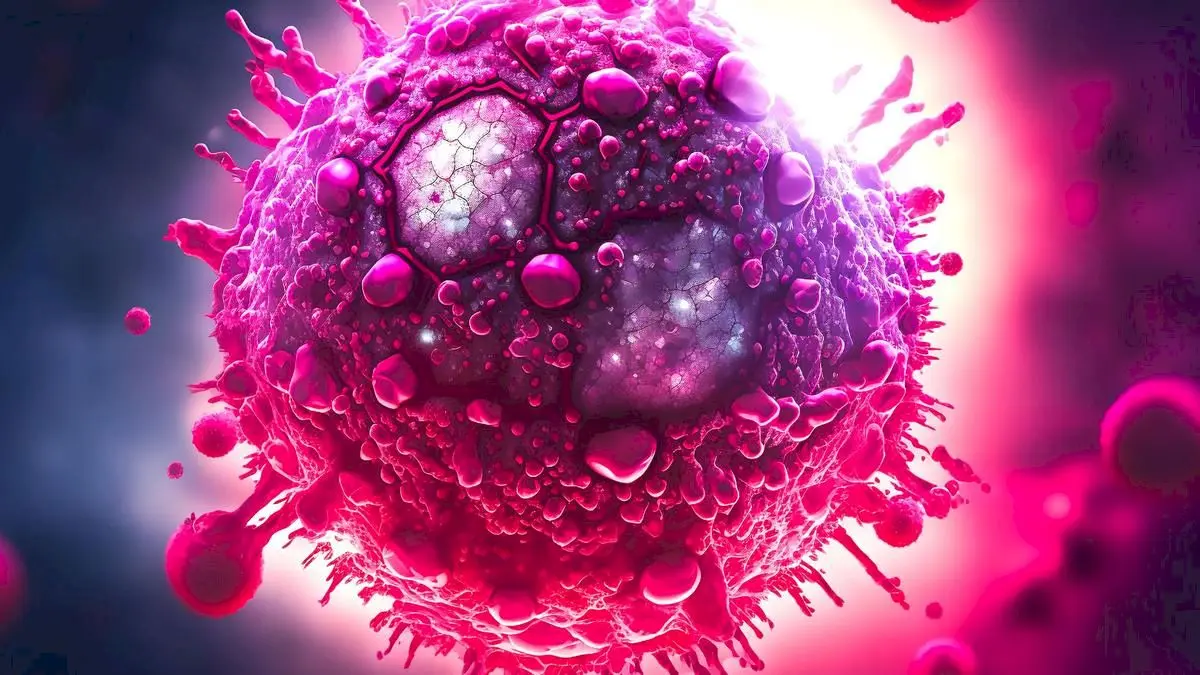
Researchers at Stanford University and the Arc Institute used AI to design complete genomes of bacteriophages, viruses that infect bacteria. Of 285 AI-designed genomes physically synthesised and tested, 16 produced functioning phages.…
The Story in Brief
Researchers at Stanford University and the Arc Institute used AI to design complete genomes of bacteriophages, viruses that infect bacteria. Of 285 AI-designed genomes physically synthesised and tested, 16 produced functioning phages. Some overcame bacterial resistance that defeated the original virus. The AI models, Evo 1 and Evo 2, learned patterns in DNA from thousands of genomes and generated new sequences within a known biological framework.
The breakthrough opens medical possibilities for phage therapy against antibiotic-resistant bacteria but also raises biosecurity concerns. Scientists have synthesised viruses for decades; what is new is AI entering the design stage, able to propose multi-gene combinations beyond human testing capability. The potential for accelerated pathogen engineering has renewed calls for robust oversight, especially amid political controversies such as the recent US Senate hearing on Covid-19 origins.
The Indian Opinion
The narrative that 'AI is creating dangerous viruses' overstates the Stanford experiment, which worked only with a simple, well-studied bacteriophage in a controlled lab. The real worry is not a rogue AI but the widening gap between technical capability and institutional governance. The same politicians who grudge over lab-leak theories are the ones blocking biosafety funding. Instead of hype or scapegoating, the question for ordinary Indians is: when will our safety regulators insist on clear, enforceable rules for AI-designed biology?
Sources (2): thehindu.com, deccanherald.com
This story was synthesised by AI from the 2 sources linked above.
Updated: this story now draws on 2 sources.