













Now Reading: AI in MedTech faces 3 big hurdles before India can lead globally
-
01
AI in MedTech faces 3 big hurdles before India can lead globally


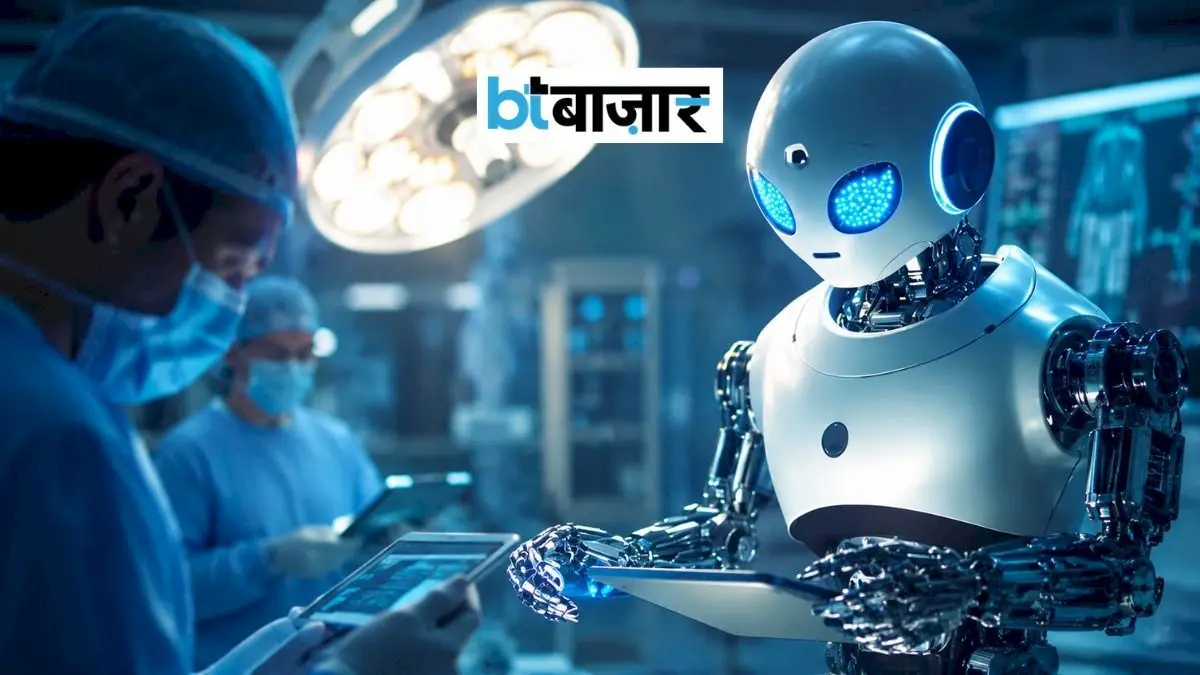
A new knowledge paper released by Union health minister JP Nadda at the ‘India Medical Device 2026’ event in New Delhi says AI in MedTech has moved past the proof-of-concept stage. The…
The Story in Brief
A new knowledge paper released by Union health minister JP Nadda at the ‘India Medical Device 2026’ event in New Delhi says AI in MedTech has moved past the proof-of-concept stage. The real challenge now is scaling it for routine clinical use across Indian hospitals. The paper, prepared by Praxis Global Alliance and FICCI, identifies three main roadblocks: fragmented health data and limited real-world evidence, evolving regulations, and a lack of adequate reimbursement and procurement systems.
India already has strong building blocks such as the Ayushman Bharat Digital Mission, the IndiaAI Mission, and the National Medical Devices Policy 2023. But the paper argues these initiatives need to be linked with clear regulation, better evidence, and robust procurement. AI-enabled diagnostics are seen as the first big application likely to scale. If done right, India could become a global leader in responsible AI-based medical technology.
The Indian Opinion
The usual narrative about India being a ‘laggard’ in healthcare technology ignores the fact that our digital infrastructure, from Aadhaar to the Ayushman Bharat Digital Mission, is already world-class. The real test is not whether we can build AI tools but whether we can pay for them and regulate them without killing innovation. Watch how the government’s upcoming medical devices policy handles reimbursement rates for AI diagnostics, that number will tell us if this is real or just another pilot project.
Source: bazaar.businesstoday.in
This story was synthesised by AI from the source linked above.