








Now Reading: AI Maps Show Brain Regions Age at Different Rates
-
01
AI Maps Show Brain Regions Age at Different Rates


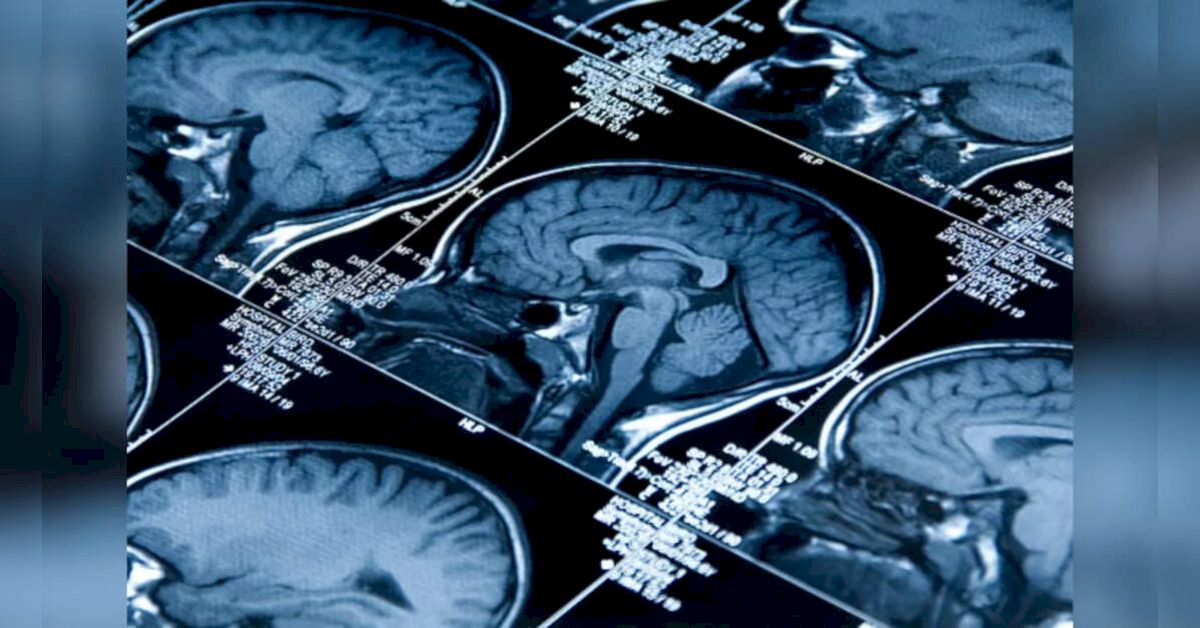
Researchers have developed an AI model that maps how individual brain regions age, rather than assigning one age to the whole brain. The study, published in Proceedings of the National Academy of…
The Story in Brief
Researchers have developed an AI model that maps how individual brain regions age, rather than assigning one age to the whole brain. The study, published in Proceedings of the National Academy of Sciences, links these regional changes with cognitive performance across the lifespan.

The team trained a deep-learning system on MRI scans from 14,748 cognitively healthy adults aged 19 to 100, then tested it on more than 1,900 scans from an Alzheimer’s disease dataset. Frontal and temporal regions appeared older than parietal and occipital areas. The right hemisphere also showed slightly more advanced ageing. Older local brain ages in the hippocampus, amygdala and other regions were associated with mild cognitive impairment, Alzheimer’s disease and poorer cognitive scores.
The Indian Opinion
The claim that one brain-age number can predict an individual’s future is too strong, while dismissing such tools as mere computer graphics is also lazy. This study shows associations from MRI data, not a diagnosis or a treatment. Its value will depend on whether regional maps improve prediction beyond standard clinical assessments and work reliably across populations not represented in the training datasets. Future studies must show how often the model correctly identifies people who later develop cognitive impairment.
Source: health.economictimes.indiatimes.com
This story was synthesised by AI from the source linked above.