





















Now Reading: BCG vaccine may retrain immune cells to fight Alzheimer’s
-
01
BCG vaccine may retrain immune cells to fight Alzheimer’s



A study in Communications Medicine suggests the century-old tuberculosis vaccine BCG can retrain innate immune cells in the ageing brain to clear toxic amyloid-beta protein, a hallmark of Alzheimer's disease. Researchers at…
The Story in Brief
A study in Communications Medicine suggests the century-old tuberculosis vaccine BCG can retrain innate immune cells in the ageing brain to clear toxic amyloid-beta protein, a hallmark of Alzheimer's disease. Researchers at Massachusetts General Hospital gave two BCG doses a month apart to 23 older adults, half with Alzheimer's biomarkers. In participants without established Alzheimer's, amyloid levels fell in cerebrospinal fluid and rose in blood over a year, hinting at immune-driven clearance from the brain. However, no such change occurred in those with dementia, pointing to limited therapeutic potential but possible preventive use. The study offers the first evidence of trained immunity, a non-specific memory in innate immune cells, operating inside the central nervous system.
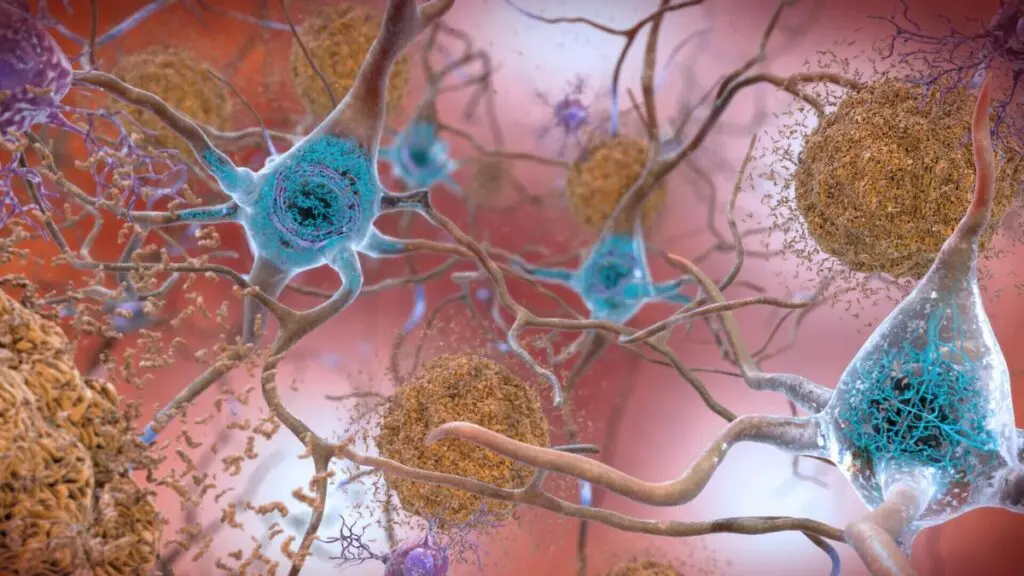
The immune system's chronic low-grade inflammation with age, known as inflammaging, is especially damaging in the brain. Normally, immune cells clear amyloid-beta, but in Alzheimer's they become dysfunctional. BCG appears to reverse this by putting cells on general alert, responding more strongly to unrelated threats. The study's co-author Mahesh Chandra Kodali noted that while blood plasma showed expected inflammatory signals, cerebrospinal fluid shifted to a calming state, resolving the paradox of a vaccine reducing brain inflammation.
The Indian Opinion
Headlines calling BCG a potential 'vaccine for Alzheimer's' overstate the evidence. This small pilot study shows promise only as a preventive measure in people without established dementia, not as a treatment for those already sick. The anti-vaccine lobby may seize on the idea of 'immune training' as proof that vaccines cause chronic inflammation, ignoring that BCG actually tamps down brain inflammation. The real test will come from larger trials tracking cognitive decline over years. Until then, this is a clue, not a cure, one that demands cautious optimism, not breathless claims.
Source: thehindu.com
This story was synthesised by AI from the source linked above.