














Now Reading: Routine spine imaging not needed for most back pain cases
-
01
Routine spine imaging not needed for most back pain cases


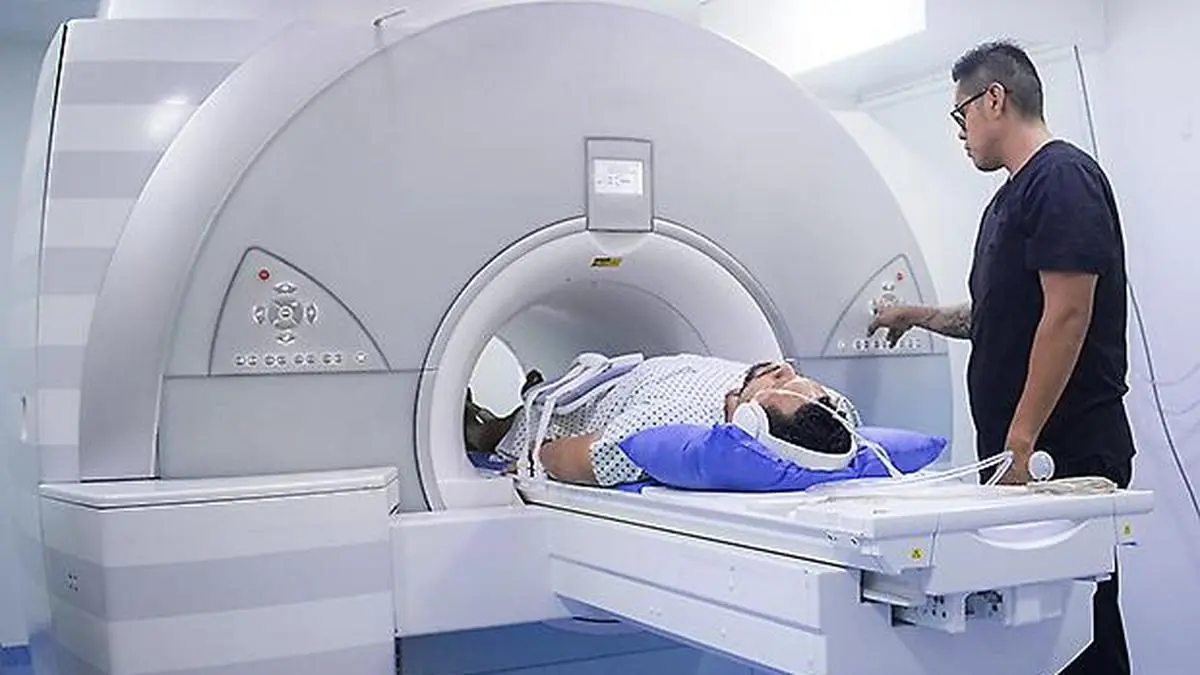
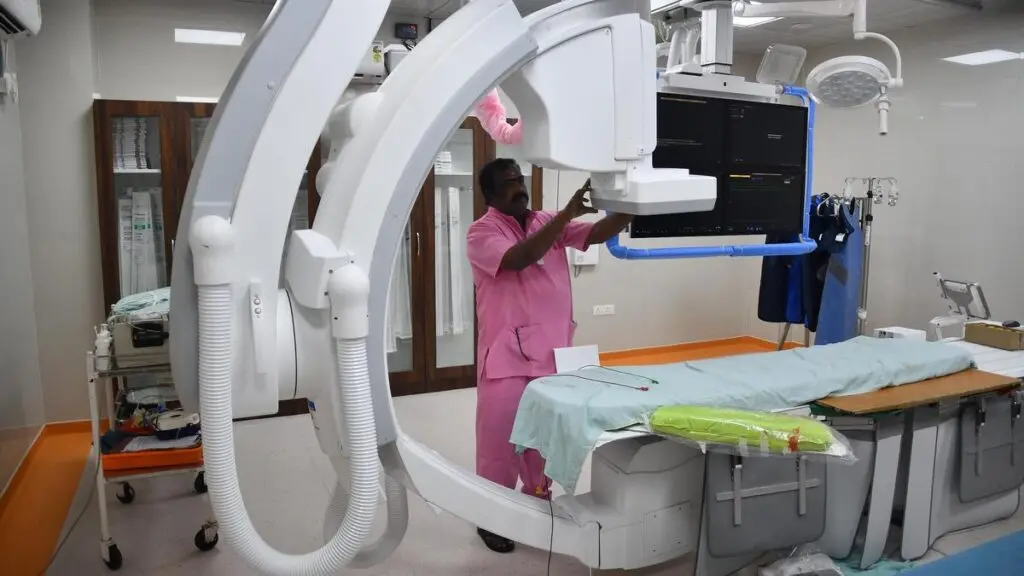
Most cases of acute low back pain resolve without an MRI, CT scan or X-ray, and international guidelines do not recommend routine imaging for uncomplicated back pain unless warning signs are present. Spine scans often reveal age-related changes such as disc bulges or degeneration that may be unrelated to the pain, leading to unnecessary anxiety and interventions.
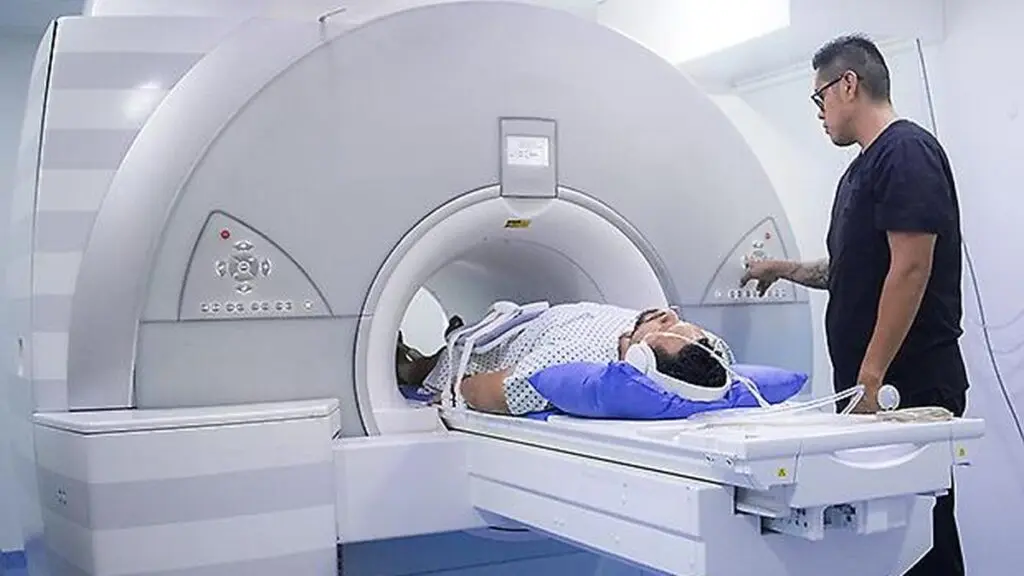
Imaging is indicated when there is significant trauma, a history of cancer, unexplained weight loss, fever, or progressive neurological weakness such as numbness, difficulty walking, or bladder and bowel control problems. These could signal a serious condition like cauda equina syndrome requiring urgent MRI.
For simple back pain, the first step is clinical evaluation, pain management, staying active, and physiotherapy if needed. The goal is to order the right scan for the right patient at the right time, not more scans.
Indian Opinion Analysis
Indian guidelines align with global practice: the Indian Council of Medical Research and the National Health Mission have stressed avoiding unnecessary imaging in primary care for low back pain. The real cost is not just the scan fee, an MRI in a private hospital costs Rs 5,000 to Rs 15,000, and incidental findings often trigger specialist referrals, repeat scans, and even surgery that may not be needed. The Insurance Regulatory and Development Authority of India has flagged that unnecessary imaging inflates health insurance claims. What matters next is whether clinicians and patients shift from a scan-first reflex to a clinical-exam-first approach, and whether insurers start requiring documented red flags before approving MRI for back pain.
Source: thehindu.com
This brief was synthesised by AI from the source linked above. Methodology and corrections.