


















Now Reading: AI model distillation becomes new flashpoint in US-China tech race
-
01
AI model distillation becomes new flashpoint in US-China tech race

AI model distillation becomes new flashpoint in US-China tech race


AI model distillation, a standard technique that lets smaller models learn from larger ones, has become a flashpoint in the US-China competition. Washington fears rivals can extract capabilities from leading US systems…
The Story in Brief
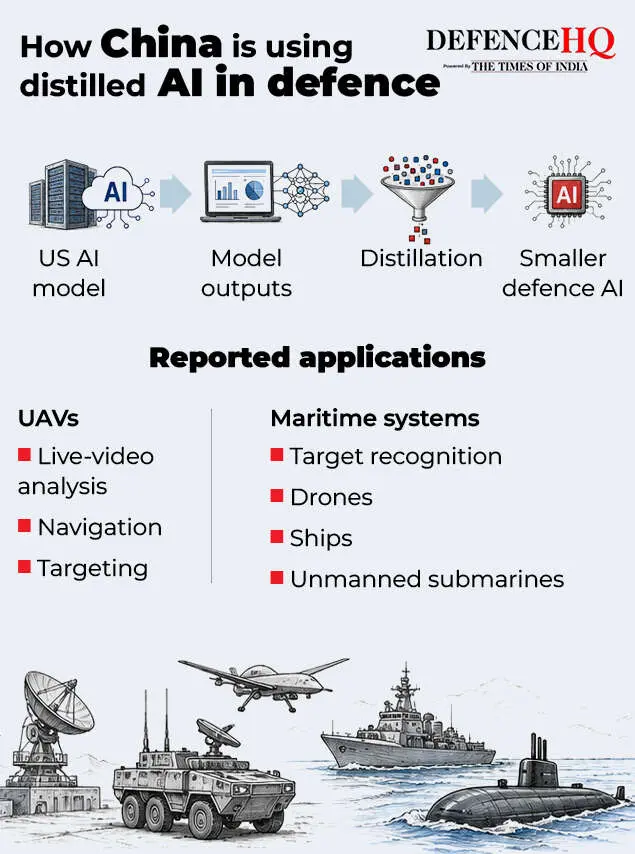
AI model distillation, a standard technique that lets smaller models learn from larger ones, has become a flashpoint in the US-China competition. Washington fears rivals can extract capabilities from leading US systems without permission. Reuters reports Chinese military-linked researchers used outputs from US AI models for defence applications, including a system to shrink image-processing for drones.
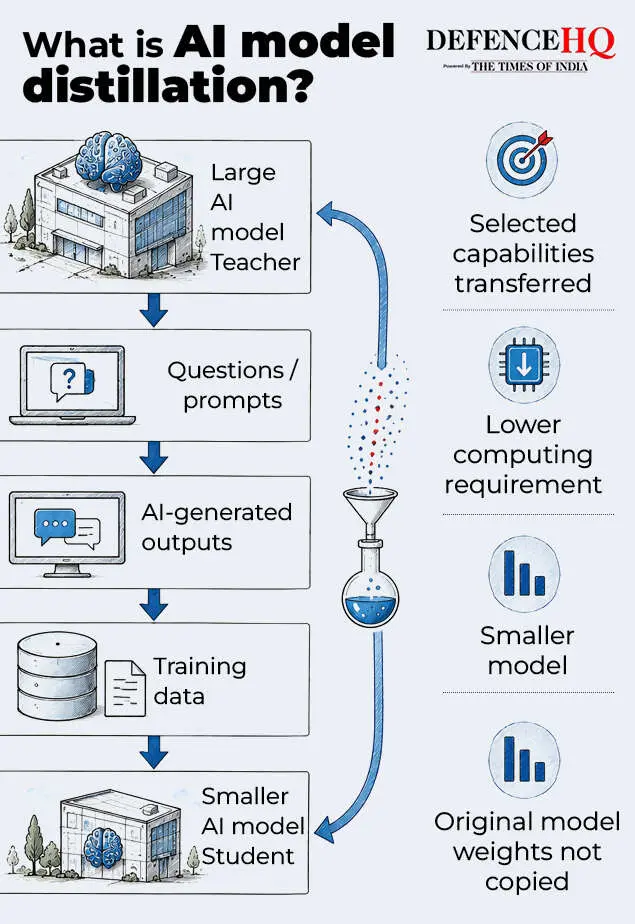
The International Institute for Strategic Studies calls illicit distillation a growing issue, as it may let compute-constrained actors acquire advanced AI without building comparable systems from scratch. The technique, described in a 2015 paper by Geoffrey Hinton and others, is widely used to deploy AI cheaply on resource-limited devices like military hardware at the tactical edge.
The Indian Opinion
The alarm over model distillation conflates two very different things: a legitimate efficiency tool and unauthorised cloning of proprietary systems. Calling every distilled model a theft ignores that most are built on open-source foundations. The real story is not about technique but about rules. China's military papers cite US models openly, which is unsettling. But Washington has yet to define what constitutes authorized use of model outputs. That definition, not another chip ban, will decide whether this remains a research practice or becomes a sanctions trigger.
Source: timesofindia.indiatimes.com
This story was synthesised by AI from the source linked above.