

















Now Reading: Passenger alleges Air India pilot was intoxicated during severe turbulence
-
01
Passenger alleges Air India pilot was intoxicated during severe turbulence


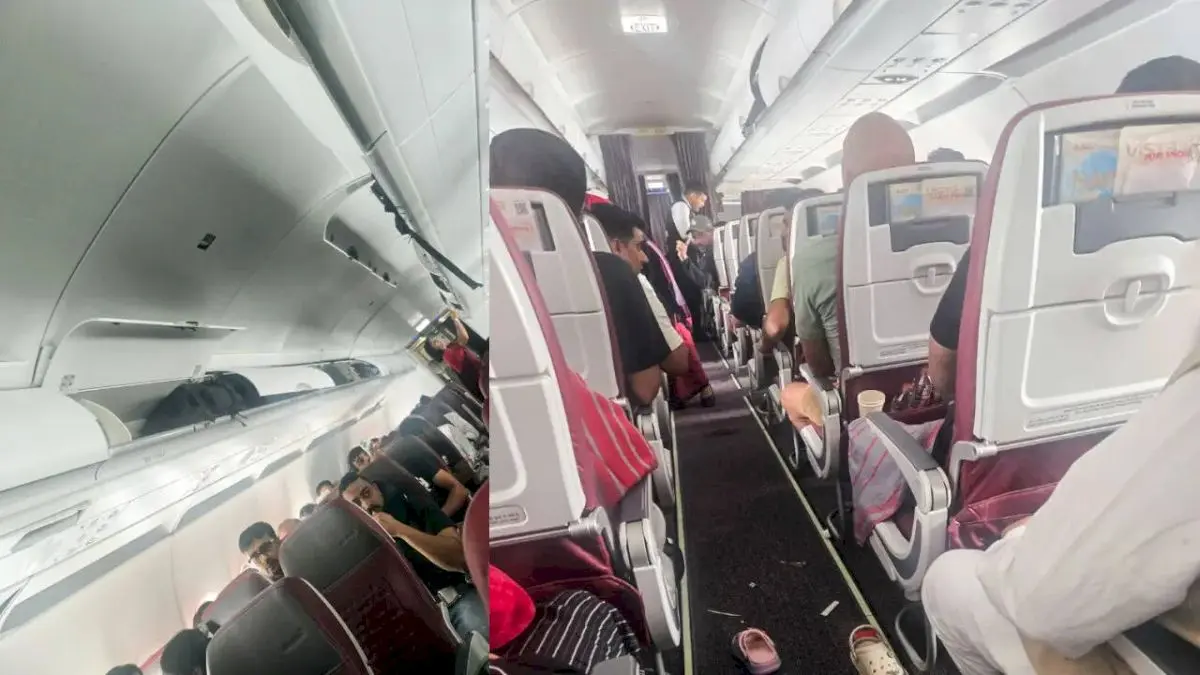
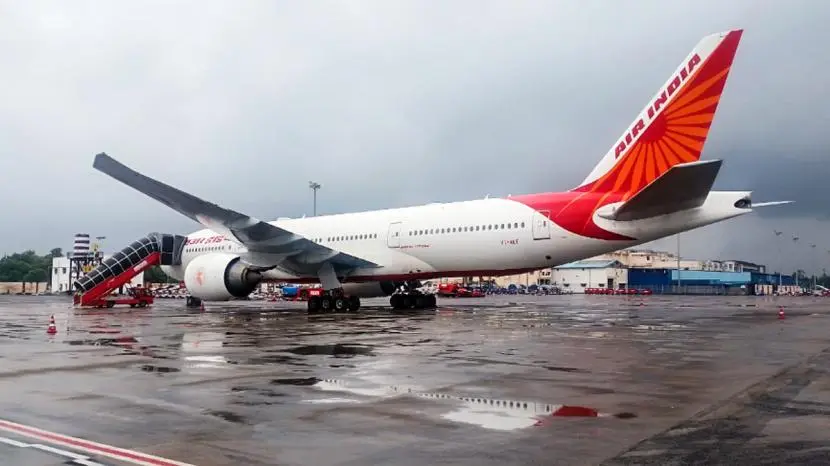
An Air India flight from Phuket to Delhi experienced severe turbulence on August 4, dropping 300 feet and injuring several passengers. The Aircraft Accident Investigation Bureau (AAIB) has classified it as a…
The Story in Brief
An Air India flight from Phuket to Delhi experienced severe turbulence on August 4, dropping 300 feet and injuring several passengers. The Aircraft Accident Investigation Bureau (AAIB) has classified it as a serious incident and is investigating. Passenger Shrikant Jha alleged the pilot appeared intoxicated based on his walk and speech, and that no medical help was available for hours after landing. Jha, a US resident, has filed complaints with Air Sewa and the US embassy.
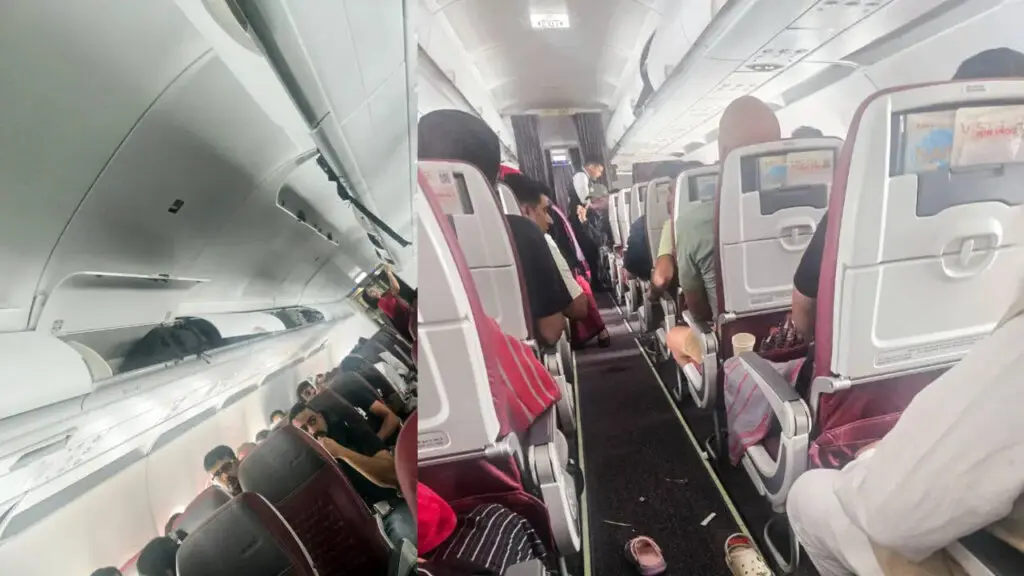
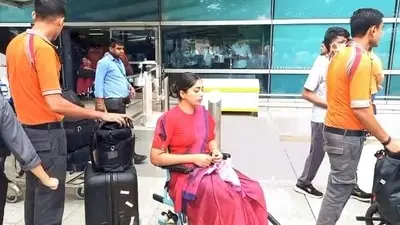
The civil aviation ministry on Sunday said the pilot's initial psychoactive substance screening test indicated a result requiring confirmatory testing, with final results awaited. Air India stated the test result has not been shared with the airline. Another passenger, Renu Raniwala, said she injured two ribs protecting her grandson during the drop and that passengers received no care for two to three hours after landing. The ministry confirmed 137 passengers, three infants, and eight crew were on board.
The Indian Opinion
The Air India incident reveals more than just a scary flight. The passenger's claim of pilot intoxication, based on demeanour and gait, feeds a narrative of systemic failure. But a positive dope test is not yet confirmed, only a screen requiring further testing. The real test here is for the DGCA and airlines to prove their SOPs work. Until the confirmatory test is public, we must avoid jumping to conclusions. The question is not just about one pilot, but whether protocols are followed every time, not just after incidents.
Sources (3): timesnownews.com, hindustantimes.com, republicworld.com
This story was synthesised by AI from the 3 sources linked above.
Updated: this story now draws on 3 sources.