













Now Reading: Air India A320 lost all controls for 4 seconds after triple hydraulic failure
-
01
Air India A320 lost all controls for 4 seconds after triple hydraulic failure

Air India A320 lost all controls for 4 seconds after triple hydraulic failure

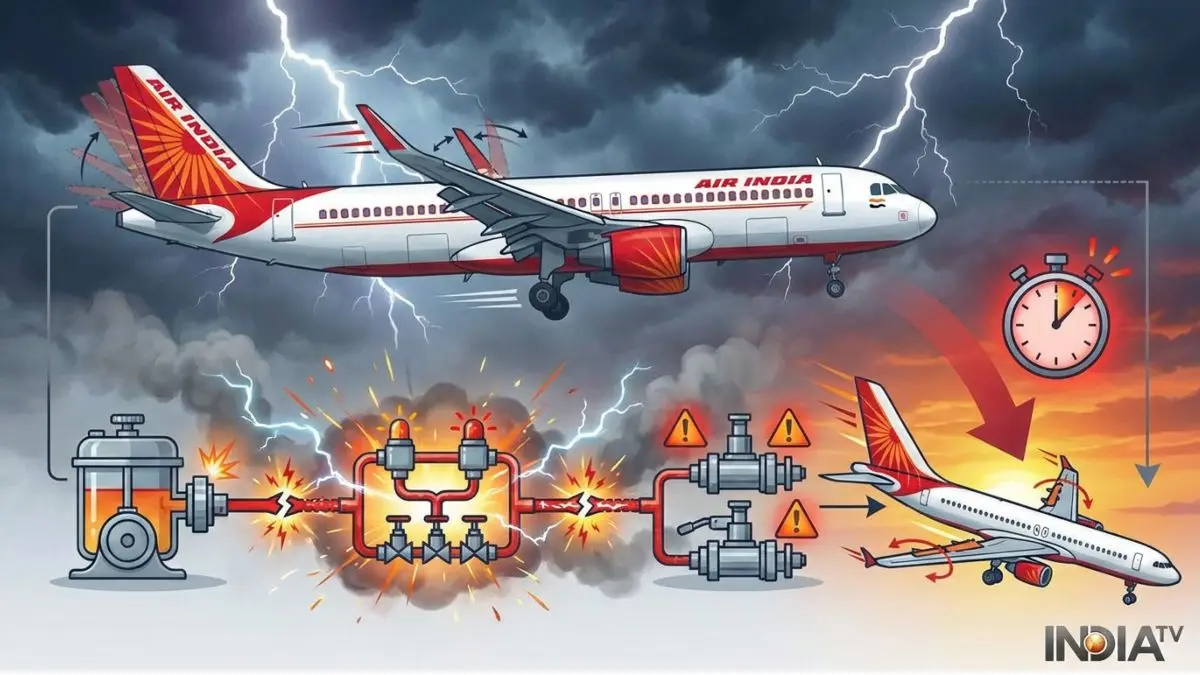
An Airbus A320neo operating Air India flight AI2379 from Phuket to Delhi on August 4 temporarily lost the use of its elevators and ailerons for nearly four seconds after all three hydraulic…
The Story in Brief
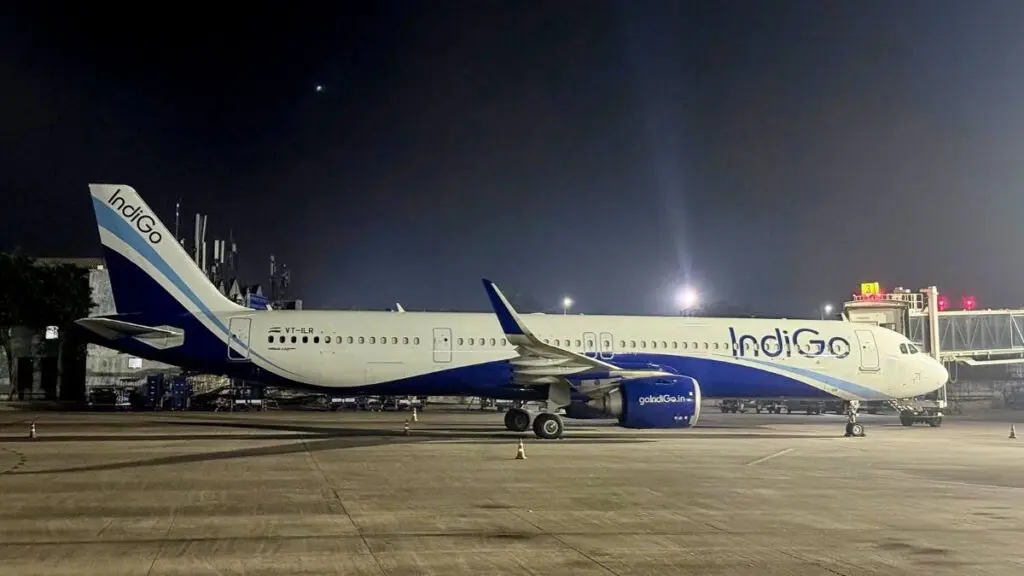
An Airbus A320neo operating Air India flight AI2379 from Phuket to Delhi on August 4 temporarily lost the use of its elevators and ailerons for nearly four seconds after all three hydraulic systems failed in quick succession, according to a preliminary Airbus assessment reviewed by Reuters. The aircraft dropped about 300 feet (91 metres) and 24 people were injured before hydraulics recovered and pilots landed safely in Delhi.
India's Aircraft Accident Investigation Bureau (AAIB) is investigating, with technical help from Airbus and France's BEA. The cause of the pressure losses remains unknown. Airbus has asked Air India to test hydraulic systems, sensors and wiring and inspect for structural stress. Separately, the captain tested positive for marijuana in a confirmatory drug test, but authorities say no link has been established to the technical event.
The Indian Opinion
Narratives are forming from two sides: one blames the pilot's drug test, the other blames airline maintenance. Both may be missing the point. A triple hydraulic failure on a modern A320 is extremely rare and points to a design or systemic flaw, not individual failings. The AAIB must answer a concrete question: did all three systems genuinely lose fluid pressure or did a sensor or computer fault fool the monitoring system? The examination of pressure switches and wiring will settle that.
Sources (3): indiatvnews.com, news.google.com, english.mathrubhumi.com
This story was synthesised by AI from the 3 sources linked above.
Updated: this story now draws on 3 sources.