















Now Reading: Retired PAF officer says F-16s struggled in Operation Sindoor
-
01
Retired PAF officer says F-16s struggled in Operation Sindoor


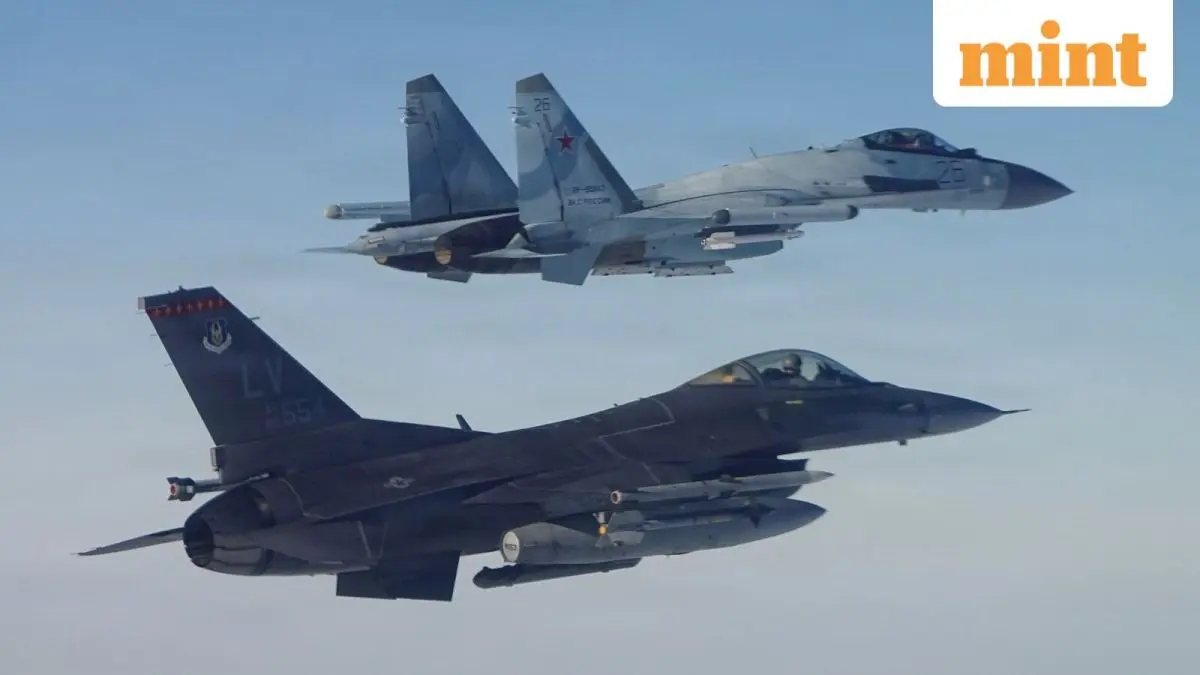
Pakistan's ageing US-supplied F-16 fighter jets faced significant limitations during the four-day Operation Sindoor in May 2025, a retired Pakistan Air Force officer told Military Watch Magazine. The F-16s' AIM-120C-5 missiles have…
The Story in Brief
Pakistan's ageing US-supplied F-16 fighter jets faced significant limitations during the four-day Operation Sindoor in May 2025, a retired Pakistan Air Force officer told Military Watch Magazine. The F-16s' AIM-120C-5 missiles have an effective range of only about 100 km against manoeuvring targets, forcing cautious deployment. India's Su-30MKIs and Rafales could engage from longer range, the officer said. The report highlights growing gaps in Pakistan's fleet, as older American jets lag behind newer Chinese ones like the JF-17 Block III and J-10C, which carry longer-range PL-15 missiles (estimated 300 km).
Pakistan claimed to have shot down multiple Indian Rafale fighters, but India has strongly denied these losses; the claims remain unverified. Operation Sindoor was India's military response to the 22 April Pahalgam attack in which 26 civilians were killed.
The Indian Opinion
The retired officer's account is the latest attempt to frame the conflict in Pakistan's favour, with claims of Rafale kills that India rejects. But the underlying fact is plain: F-16s are decades old and their missile range is a real constraint. The real test will be if Pakistan's new Chinese jets, especially the PL-15 missile's reported 300 km reach, actually change the balance. Next time, will India's longer-range weapons hold the edge, or will better Pakistani electronics close the gap? Watch for independent confirmation of PL-15 performance.
Source: livemint.com
This story was synthesised by AI from the source linked above.