









Now Reading: Alexander Graham Bell: Innovation is never a solo act
-
01
Alexander Graham Bell: Innovation is never a solo act


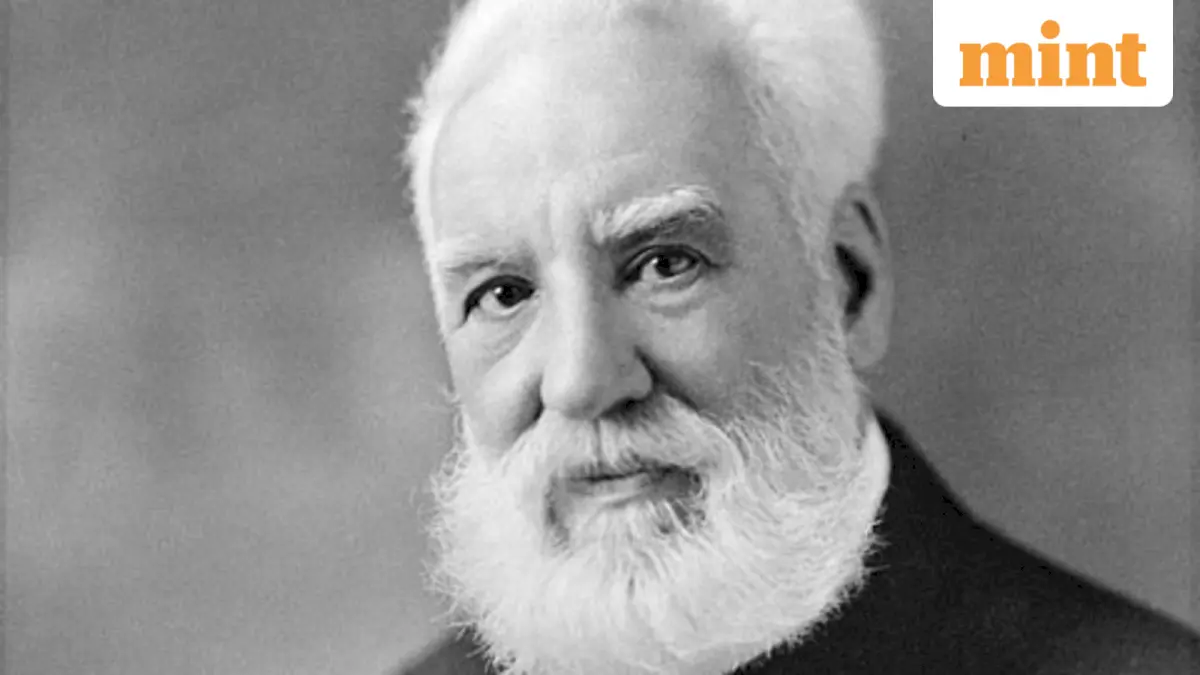
Alexander Graham Bell, inventor of the telephone, understood that discovery is collective. He said great improvements always involve the cooperation of many minds. Bell's work built on earlier experiments by Antonio Meucci,…
The Story in Brief
Alexander Graham Bell, inventor of the telephone, understood that discovery is collective. He said great improvements always involve the cooperation of many minds. Bell's work built on earlier experiments by Antonio Meucci, Johann Philipp Reis and Elisha Gray, and depended on his assistant Thomas Watson's skill. The Library of Congress holds over 145,000 items showing Bell's lifelong curiosity in telecommunications, aviation and education. His notebooks prove he kept experimenting rather than resting on the telephone's success. Modern science follows the same pattern: breakthroughs emerge from shared knowledge, not solitary flashes of genius.
The Indian Opinion
The lazy narrative that Bell simply had a eureka moment ignores how inventions really happen. His telephone emerged from decades of work by Meucci, Reis and Gray, and depended on Watson's practical skill. The romanticised lone-genius story sells books but misleads. Modern science is teamwork on a global scale. The real test is not who gets the patent but how well we share credit and build on each other's work. When did we last acknowledge the predecessors and collaborators behind a breakthrough we admire?
Sources (2): livemint.com, timesofindia.indiatimes.com
This story was synthesised by AI from the 2 sources linked above.
Updated: this story now draws on 2 sources.