














Now Reading: FM targets single-digit customs duty slabs by 2027-28 Budget
-
01
FM targets single-digit customs duty slabs by 2027-28 Budget


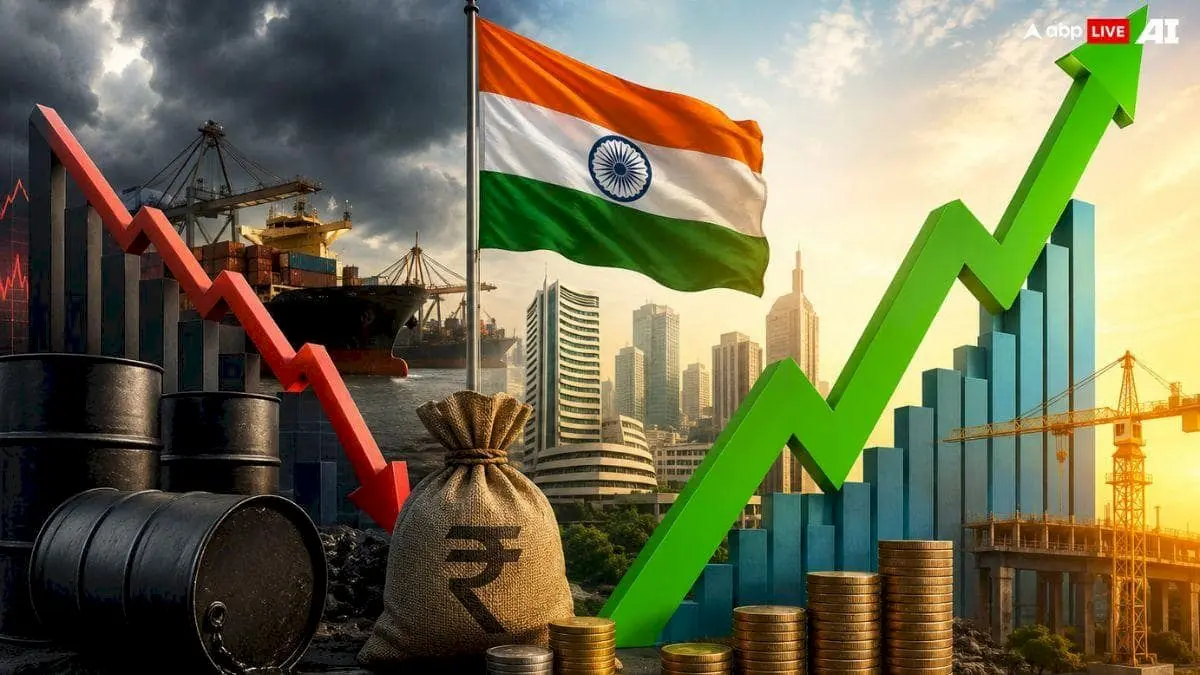
Finance Minister Nirmala Sitharaman announced plans to complete customs tariff rationalisation by the Union Budget 2027-28, aiming to reduce the number of tariff slabs to a single digit. Speaking at the CD…
The Story in Brief
Finance Minister Nirmala Sitharaman announced plans to complete customs tariff rationalisation by the Union Budget 2027-28, aiming to reduce the number of tariff slabs to a single digit. Speaking at the CD Deshmukh Memorial Lecture, she noted India currently has around 13 customs tariff slabs, though the government has already cut them to eight, including zero-duty, through FY24 and FY26 Budget measures. The average customs duty has declined to 10.66% from 11.65%, with further reductions expected as part of broader efforts to simplify trade complexities and boost competitiveness.
Sitharaman also highlighted India's ambition to become a developed nation by 2047, citing the country's recovery of global GDP share to 8.5% from under 3% in the 1970s. She stressed that government borrowing should fund productive assets rather than liabilities, noting capital expenditure has nearly tripled in five years. According to the IMF, India's general government debt stood at 83.4% of GDP in 2026. The rationalisation may benefit import-dependent sectors like electronics and automobiles but could challenge businesses historically protected by high tariffs.
The Indian Opinion
The fixation on tariff rationalisation as a silver bullet for economic transformation overlooks the complexity of India's fiscal challenges. Simplifying customs duties may ease trade compliance, but it does little to address the deeper issues of stagnant manufacturing growth, regressive tax structures that burden the poor disproportionately, and the lack of export competitiveness beyond IT and pharma. The government's own data shows the average duty has only fallen from 13.4% to 15% between 2016 and 2024, hardly a dramatic shift. The real test will be whether this reform translates into job creation and higher tax revenues, not just smoother paperwork for importers.
Source: news.abplive.com
This story was synthesised by AI from the source linked above.