















Now Reading: Almora engineer test-flies electric flying car prototype
-
01
Almora engineer test-flies electric flying car prototype


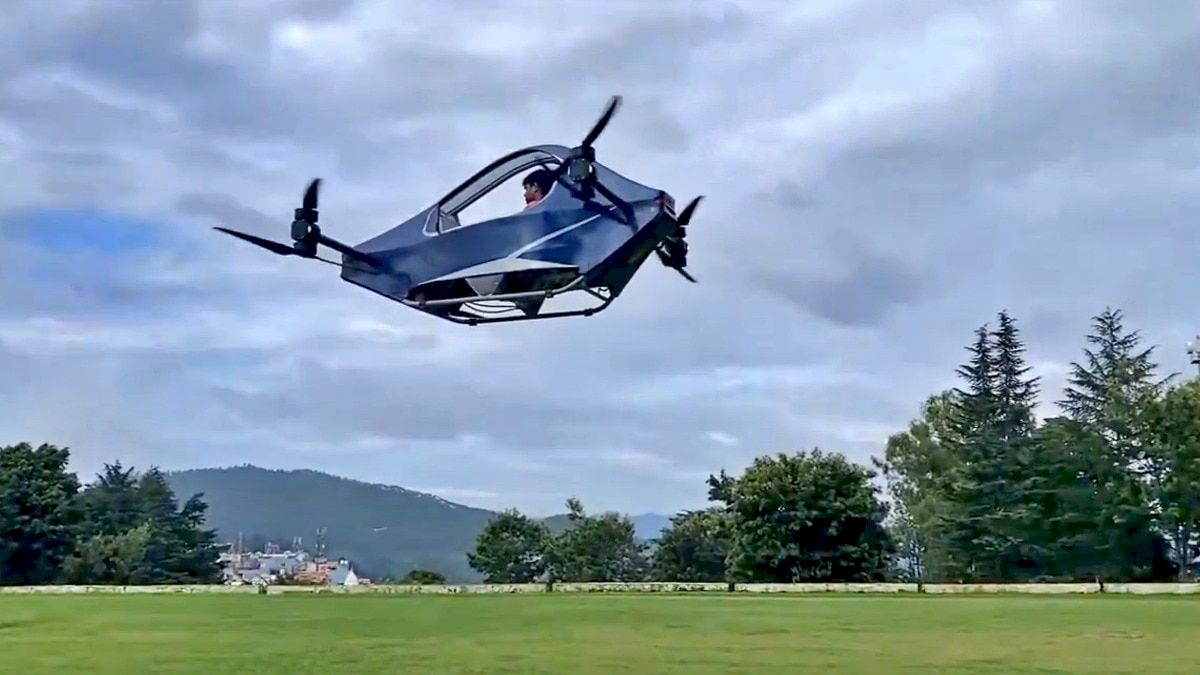
Ravi Tamta, an engineer from Kaflikhan village near Jageshwar Dham in Almora, Uttarakhand, has successfully test-flown the prototype of his electric flying car, the HAPIDA SKYNeX. The vehicle, developed through his startup…
The Story in Brief
Ravi Tamta, an engineer from Kaflikhan village near Jageshwar Dham in Almora, Uttarakhand, has successfully test-flown the prototype of his electric flying car, the HAPIDA SKYNeX. The vehicle, developed through his startup Hapida Sky Private Limited, is fully electric with zero tailpipe emissions. Tamta said the project aims to make safe, affordable, and sustainable personal air travel accessible in India.

The successful flight marks a milestone after years of research, but the vehicle remains a prototype requiring further testing and regulatory approvals before commercial use. Experts suggest the Himalayan terrain could be ideal for testing such mobility solutions, with potential applications in remote connectivity, disaster relief, and tourism. The demonstration has put Uttarakhand’s innovation ecosystem in the spotlight.
The Indian Opinion
The flying car buzz is understandable, but talk of a revolution skips the long road ahead. Ravi Tamta’s prototype is an impressive engineering feat, not a product ready for your driveway. India still lacks clear regulations for personal aerial vehicles, and costs remain unknown. The hype around ‘Indian innovation’ often ignores testing, certification, and infrastructure. The real test: will this prototype secure a commercial licence from the DGCA, and at what price?
Sources (2): indiatoday.in, indiatvnews.com
This story was synthesised by AI from the 2 sources linked above.
Updated: this story now draws on 2 sources.