

















Now Reading: Study finds African grass naturalised in Indian biodiversity hotspots
-
01
Study finds African grass naturalised in Indian biodiversity hotspots


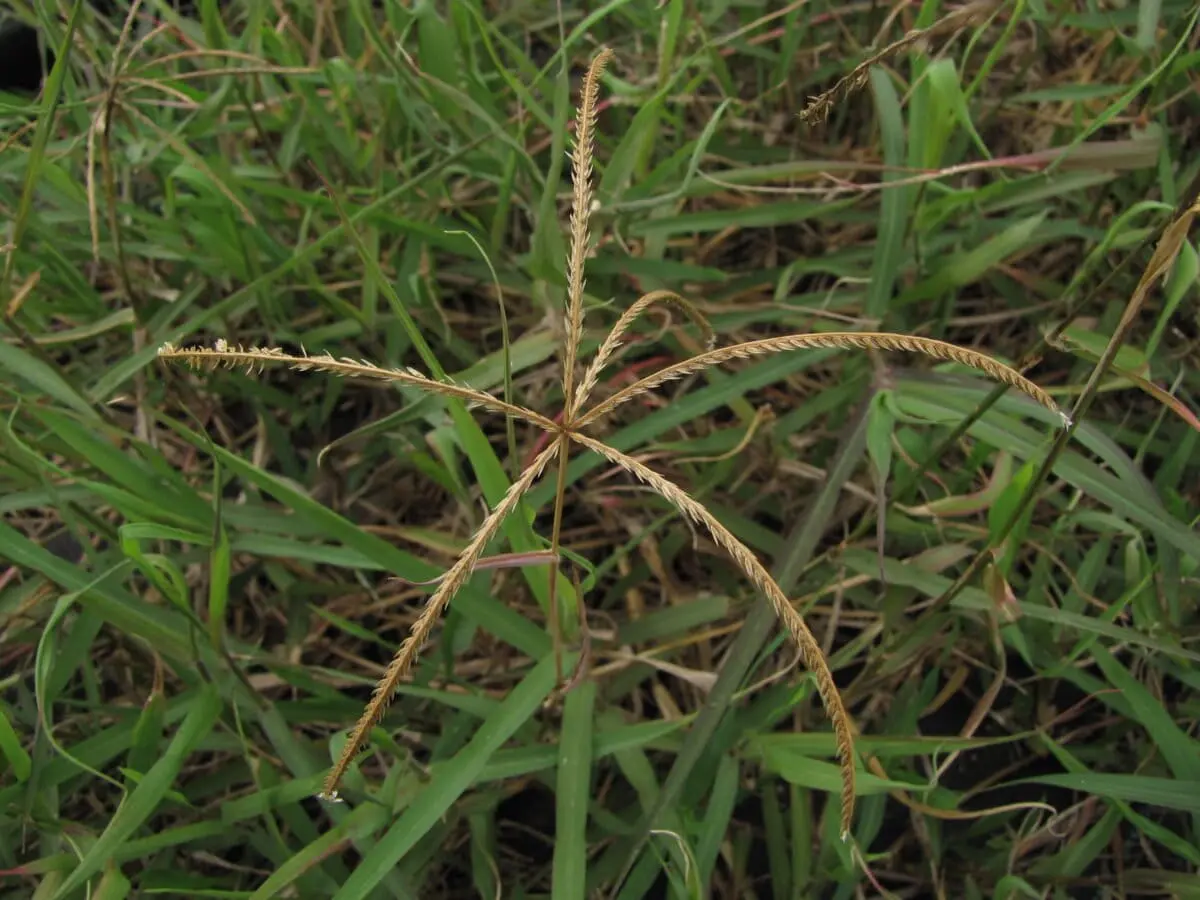
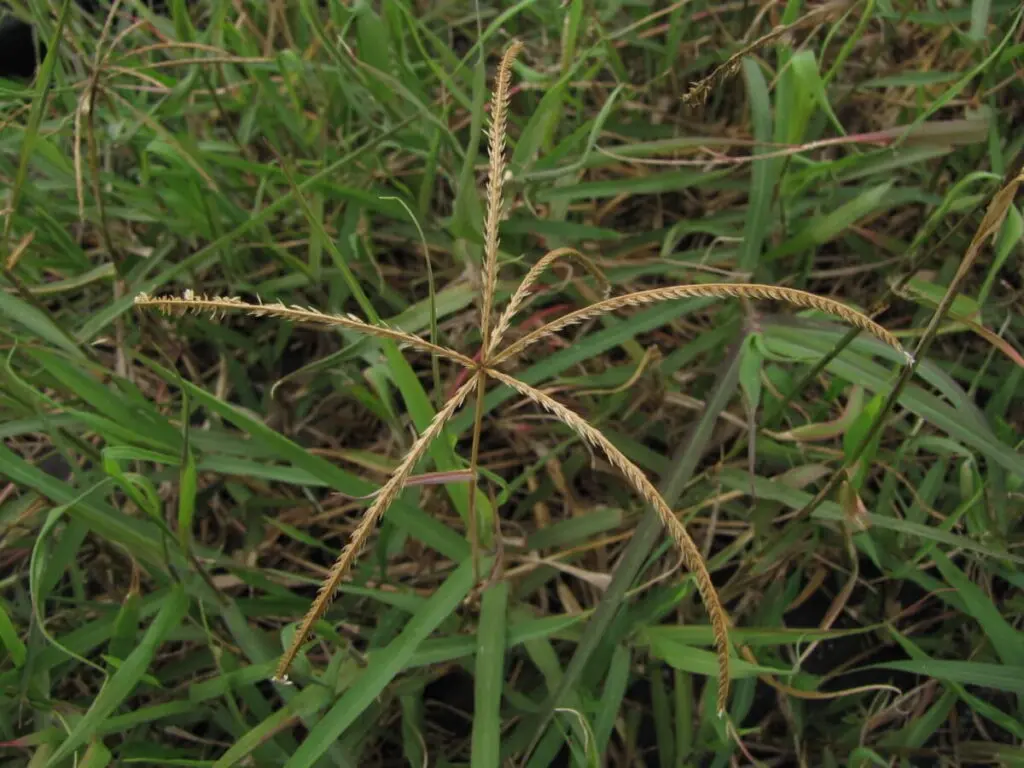
A 30-year survey has documented the naturalisation of African Bermuda-grass (Cynodon nlemfuensis) in two Indian biodiversity hotspots, the Himalayas and the Western Ghats. The grass, native to Central and East Africa, was first collected in Tamil Nadu in 1995 by researchers from the Forest Research Institute, Dehradun. It took nearly three decades to confirm its identity and report the finding, highlighting how taxonomic delays hinder management of invasive species.
The study points to systemic gaps in infrastructure and policy, including the lack of digitised plant collections in Indian herbaria. Type specimens needed for comparison are often held abroad, such as in Belgium. Researchers say early intervention is the most cost-effective way to limit the economic damage from biological invasions, but delayed identification allows alien species to spread unchecked.
Indian Opinion Analysis
India lacks a centralised, real-time system for tracking alien plant species, unlike pest surveillance in agriculture. The average 27-year lag between first collection and publication means invasions are often entrenched before authorities act. The Indian Alien Flora Information Database (ILORA), now in version 2, aims to speed identification but faces hurdles: most type specimens of Indian grasses are held in foreign herbaria. Until domestic collections are fully digitised and linked, taxonomic bottlenecks will persist. The next signal to watch is how many new naturalisation records ILORA version 2 publishes and whether the Botanical Survey of India accelerates its digitisation programme.
Source: india.mongabay.com
This story was synthesised by AI from the source linked above. Methodology and corrections.