





















Now Reading: Google, Microsoft buy carbon credits from invasive tree project
-
01
Google, Microsoft buy carbon credits from invasive tree project


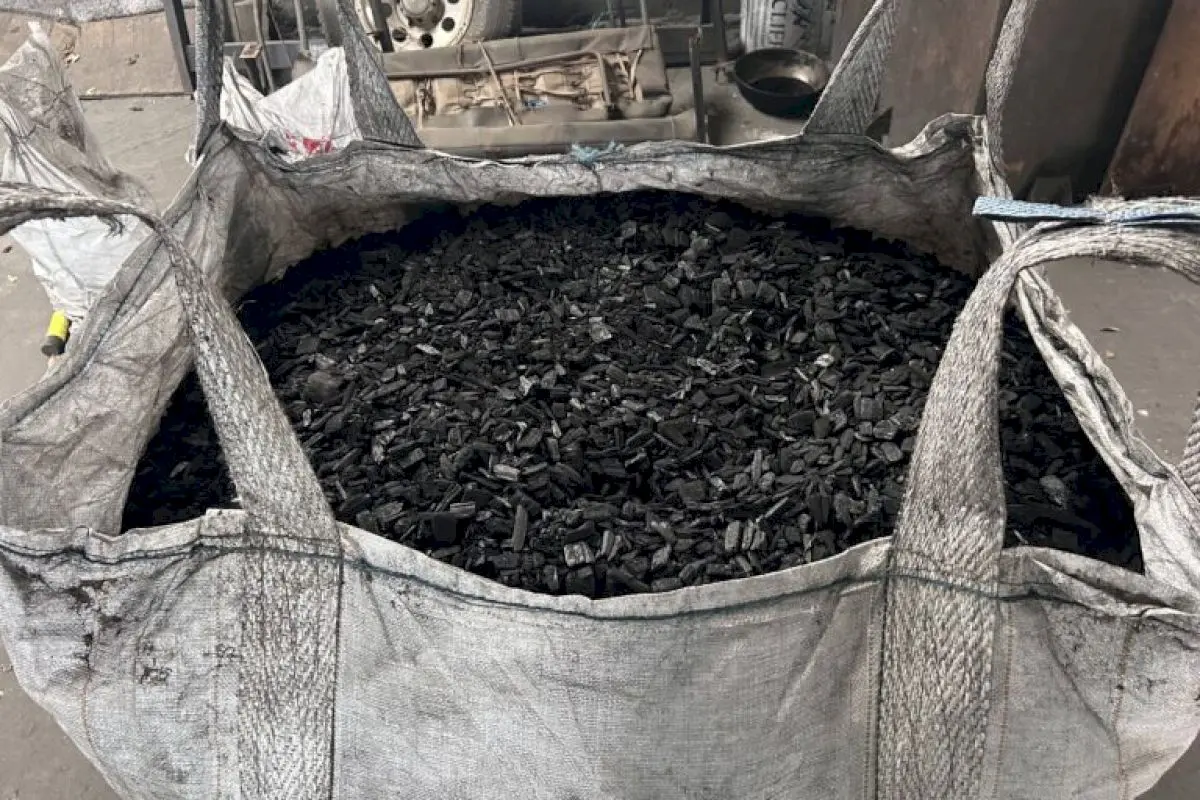
Google bought 1,00,000 tonnes of carbon dioxide removal credits in January 2025 from Varaha ClimateAg, a Gurugram startup producing biochar from the invasive Prosopis juliflora tree in Kachchh, Gujarat. Microsoft, Lufthansa, Swiss…
The Story in Brief
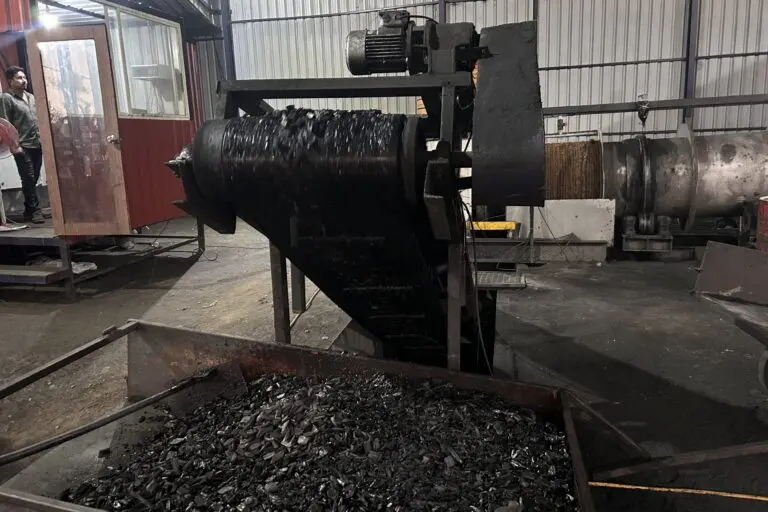
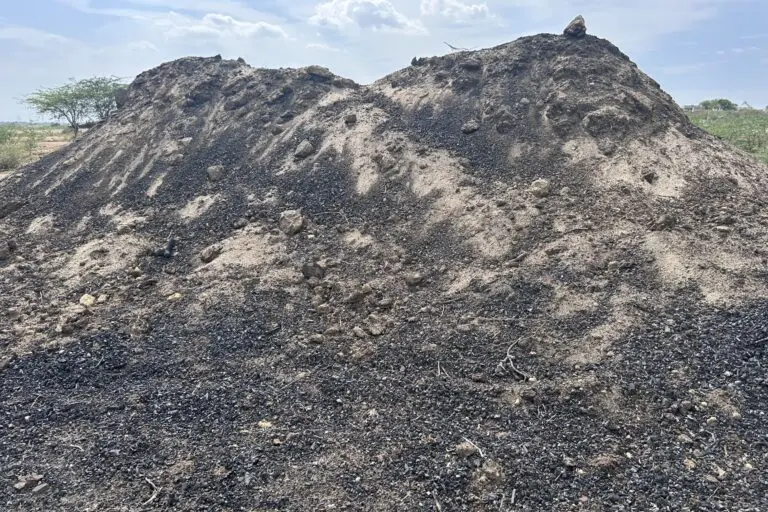
Google bought 1,00,000 tonnes of carbon dioxide removal credits in January 2025 from Varaha ClimateAg, a Gurugram startup producing biochar from the invasive Prosopis juliflora tree in Kachchh, Gujarat. Microsoft, Lufthansa, Swiss Re and Capgemini have also signed deals. Biochar is meant to store carbon in soil for centuries, but Mongabay-India’s field reporting found that in Sangnara village, biochar has been lying uncovered for two years without being mixed into the ground. A contractor reported that burying it near the invasive tree actually helped the weed regrow. Varaha says its systems prevent credits being issued for unmixed biochar. The Banni grassland has lost 85% of its fodder since Prosopis invaded in the 1960s.
The Indian Opinion
Carbon credits promise a neat fix: pay to remove CO₂ and restore ecosystems. The Kachchh biochar story should puncture that simplicity. An invasive tree is cut, turned into charcoal, and then often left unapplied to soil, undermining the whole carbon storage claim. Worse, the digging seems to help the invasive grow back twice as strong. Local pastoralists see their grazing land shrink further. The real test is not how many credits are sold but whether soil carbon actually increases and native grass returns. Without tracked application, this is a certificate for an incomplete job.
Source: india.mongabay.com
This story was synthesised by AI from the source linked above.