






















Now Reading: CJI coins ‘Nyaya-nomics’ as growth driver at BRICS+ Legal Forum
-
01
CJI coins ‘Nyaya-nomics’ as growth driver at BRICS+ Legal Forum


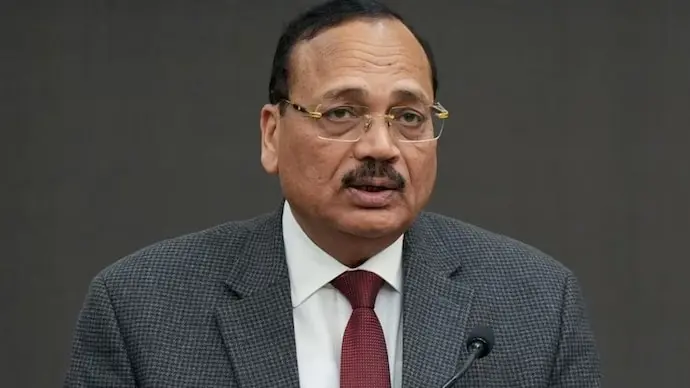
Chief Justice of India Surya Kant on Saturday introduced the term 'Nyaya-nomics' or the economics of justice, arguing that consistent adjudication and trust in courts are essential for economic growth. Speaking at…
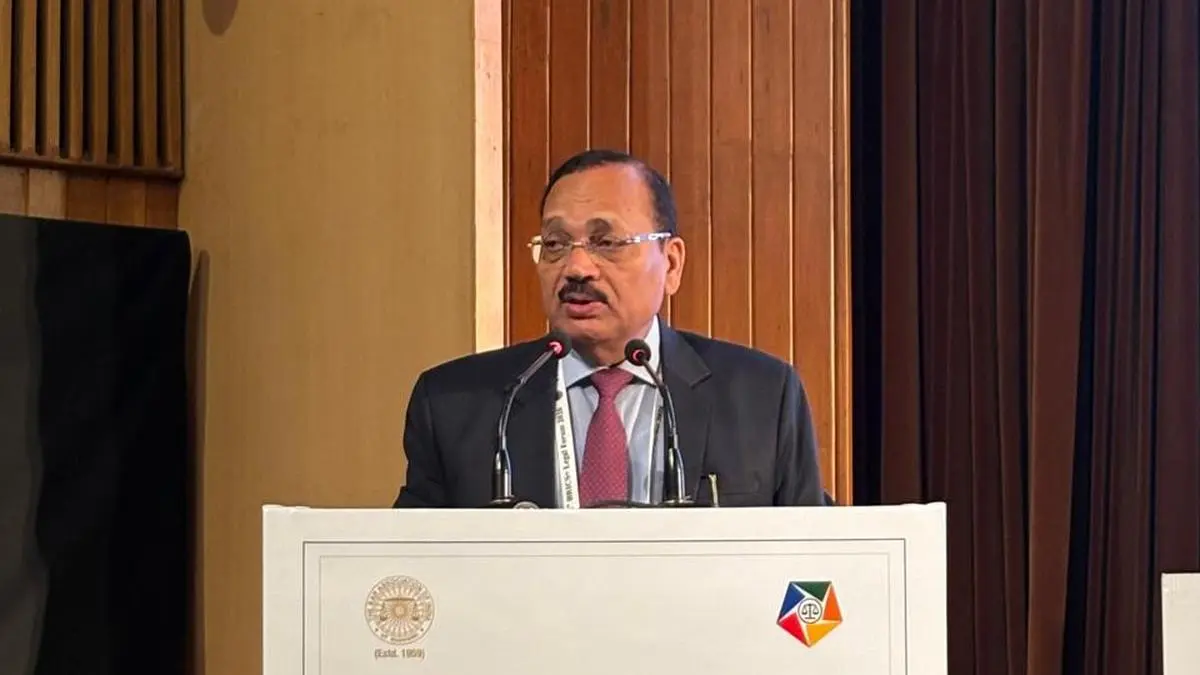
Chief Justice of India Surya Kant on Saturday introduced the term 'Nyaya-nomics' or the economics of justice, arguing that consistent adjudication and trust in courts are essential for economic growth. Speaking at the 11th BRICS+ Legal Forum in New Delhi, he said institutions are not scaffolding but the architecture of a rising economy.

The CJI emphasised that consistency in interpretation of law reduces transaction costs, levels the playing field for market forces, and builds trust that attracts capital. 'A courtroom that keeps its word quickly becomes a country the world is willing to trust with its capital,' he said. The forum, organised by the Bar Association of India, carried the theme of rule of law frameworks for economic resilience.
He also proposed the term 'Nyaya Setu' or bridge of justice, describing it as connecting 11 legal traditions that agree trust must be cultivated deliberately. The Hindu and The New Indian Express both covered the address, with the latter noting that the CJI said no BRICS+ economy has grown solely through resources.
Indian Opinion Analysis
Both The Hindu and The New Indian Express cover the CJI's speech as straight news, leading with the 'Nyaya-nomics' coinage and quoting the same core argument about institutions as architecture. The Hindu frames it as a judiciary-led vision for growth, while The New Indian Express gives slightly more space to the CJI's rejection of resource-based growth. Neither outlet adds critical context or quotes opposing views, and both avoid editorialising. The uniform coverage means the story is a single-sourced event report. The careful reader should note that the speech is aspirational, with no concrete reforms or timelines attached, making it a marker of judicial philosophy rather than policy.
Coverage: 2 sources, 2 neutral
Sources (2): thehindu.com (neutral report), newindianexpress.com (neutral report)
This story was synthesised by AI from the 2 sources linked above.
Updated: this story now draws on 2 sources.