











Now Reading: Bangladesh faces foreign policy challenges under new leadership
-
01
Bangladesh faces foreign policy challenges under new leadership


Bangladesh is expected to face major foreign policy challenges due to the inexperience of Prime Minister Tarique Rahman and tensions with India, particularly over the extradition of Sheikh Hasina. A planned visit…
Bangladesh is expected to face major foreign policy challenges due to the inexperience of Prime Minister Tarique Rahman and tensions with India, particularly over the extradition of Sheikh Hasina. A planned visit by Rahman to New Delhi has been rebuffed, deepening the rift.

The Bangladesh foreign ministry is also weakened by a dual citizenship controversy involving State Minister Humaiun Kobir. Despite rhetoric of a 'Bangladesh First' policy, the government's semi-hostile posture towards India and indulgence with China and Pakistan ignores key economic interests. Bilateral trade with India stood at $11.39 billion in FY2024-25, and India supplies 15.6% of Bangladesh's electricity.
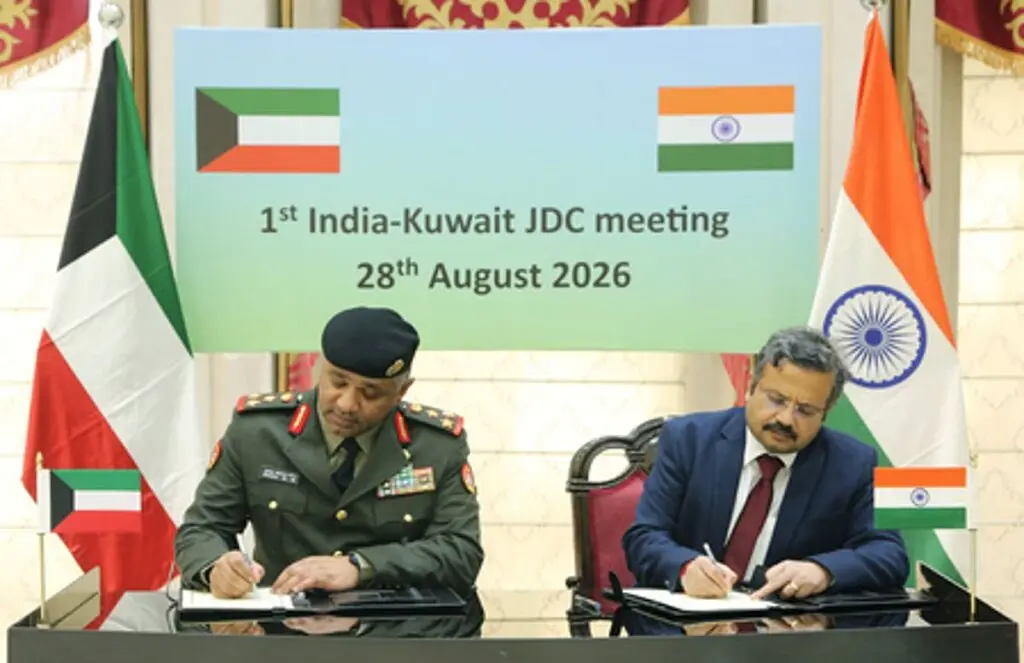
Bangladesh expressed outrage after ousted Prime Minister Sheikh Hasina addressed international media from Delhi, calling it an affront to its sovereignty. Meanwhile, a meeting between RAW chief Parag Jain and a Bangladeshi defence adviser in August was a positive step, but many issues, including the Ganges water treaty, require urgent top-level interaction.

Indian Opinion Analysis
This standoff between Dhaka and New Delhi is unprecedented in its intensity, given the BNP government's open hostility towards India compared to the previous Awami League regime's close ties. The extradition demand for Sheikh Hasina, though legally unlikely to succeed under Indian law, has become the central political obstacle. With Bangladesh facing a severe energy crisis, its dependence on Indian power imports, over 2,500 MW, gives New Delhi significant leverage. The next test will be whether the upcoming UN General Assembly session, where Bangladesh's Foreign Minister serves as president, can create a neutral platform for informal talks between the two leaders.
Source: security-risks.com
This brief was synthesised by AI from the source linked above.