

















Now Reading: Western Ghats frogs sort by size to coexist, study finds
-
01
Western Ghats frogs sort by size to coexist, study finds


A new study by the Indian Institute of Science, Bengaluru, has found that closely-related frog species in the Western Ghats tend to differ in body size when they live together, a pattern…
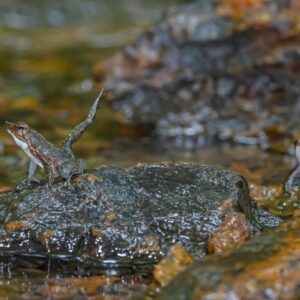
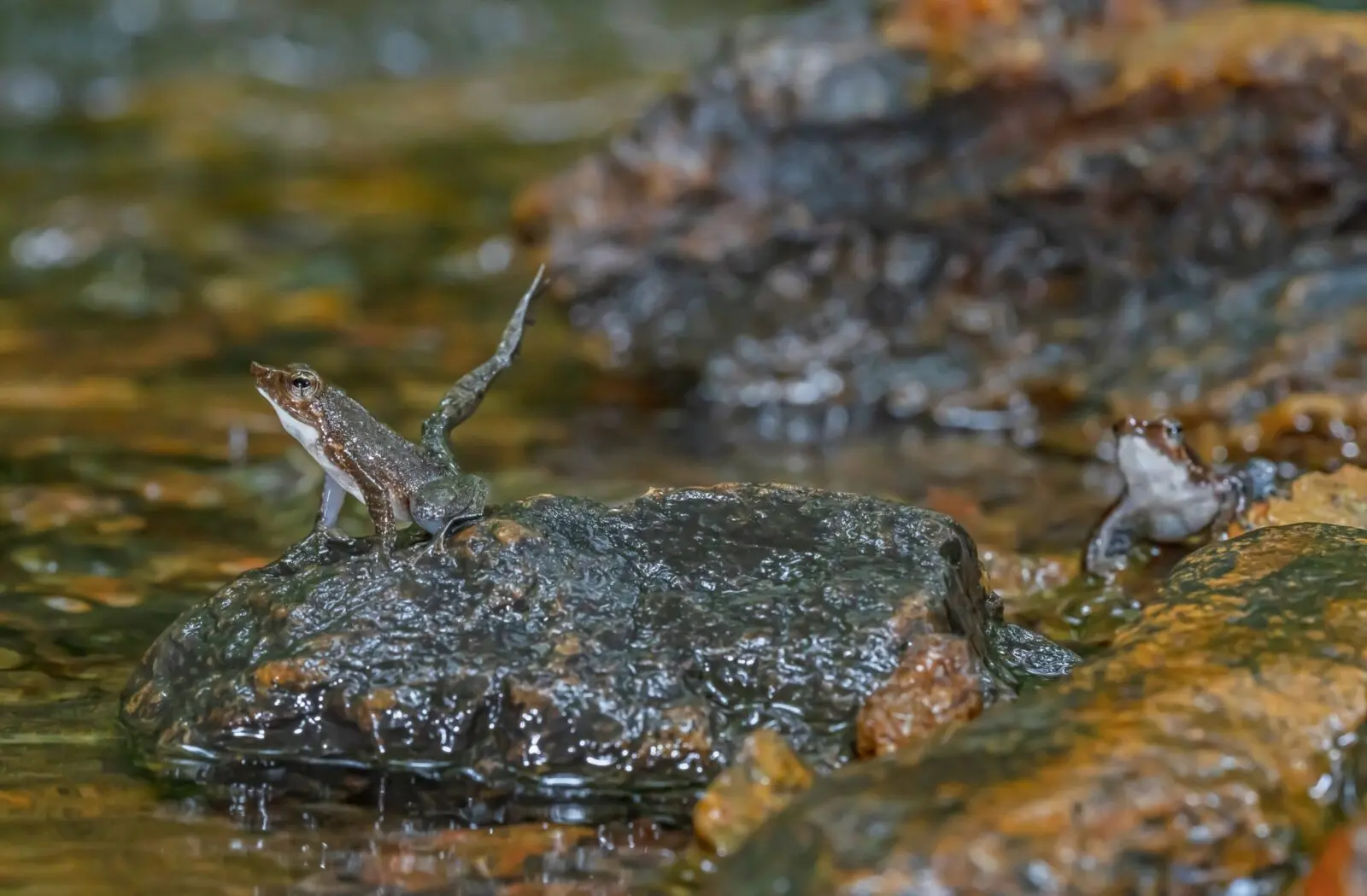
A new study by the Indian Institute of Science, Bengaluru, has found that closely-related frog species in the Western Ghats tend to differ in body size when they live together, a pattern driven by competition. Scientists examined three frog genera, Nyctibatrachus and Micrixalus, endemic to the region, and the more widespread Hylarana, and found significant body-size differences among species sharing streams.
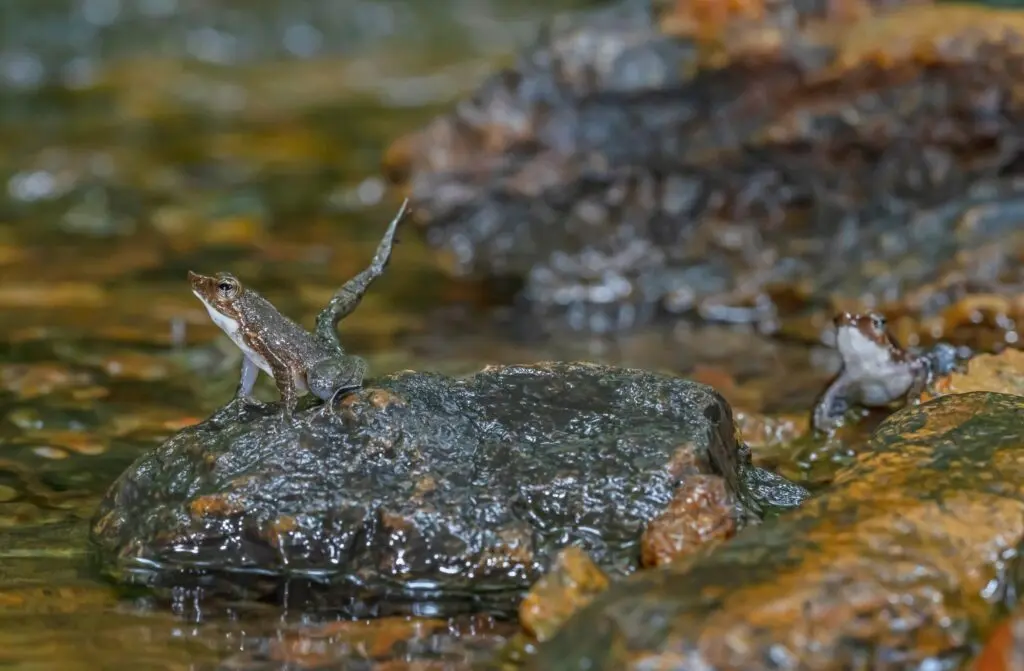
Among 27 three-species Nyctibatrachus assemblages, 23 contained species from different size classes, while every two-species Micrixalus pair belonged to different size classes. Larger Nyctibatrachus frogs occupied faster-flowing stream sections, while smaller ones stayed along stream edges. The pattern was absent in Hylarana. The researchers say competition and species sorting, not direct evolutionary divergence, explain the arrangement.
First author Kartik Shanker noted that changes to microhabitats could threaten species even if the broader forest remains intact.
Indian Opinion Analysis
The Western Ghats, a UNESCO World Heritage site, host exceptional amphibian diversity, with over 200 frog species, many found nowhere else. This study adds to a growing body of evidence that competition shapes community assembly without driving evolutionary change. The finding that microhabitat use, like fast versus slow stream sections, correlates with body size suggests that even local habitat alteration, such as changes in water flow from dams or deforestation, could disrupt coexistence patterns. Conservation planners may need to consider microhabitat diversity, not just forest cover, to protect endemic frogs. Next, the researchers are likely to test whether similar sorting occurs in other Western Ghats amphibian groups.
Source: india.mongabay.com
This brief was synthesised by AI from the source linked above.