






















Now Reading: Severe COVID-19 reactivates 11 dormant viruses, study finds
-
01
Severe COVID-19 reactivates 11 dormant viruses, study finds


A large multi-omic study of 1,154 hospitalised COVID-19 patients found that severe SARS-CoV-2 infection can reactivate 11 dormant viruses, including Epstein-Barr (EBV), herpes simplex 1 and cytomegalovirus. Reactivation was most detected within…
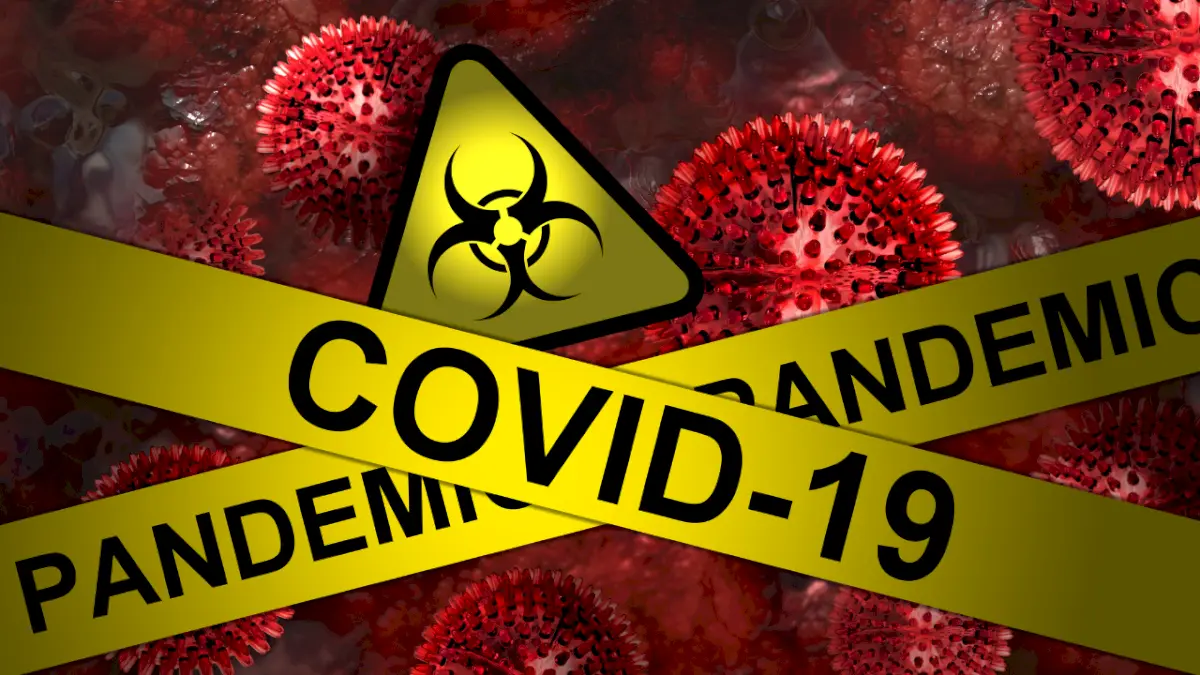
A large multi-omic study of 1,154 hospitalised COVID-19 patients found that severe SARS-CoV-2 infection can reactivate 11 dormant viruses, including Epstein-Barr (EBV), herpes simplex 1 and cytomegalovirus. Reactivation was most detected within 40 days of admission and linked to disease severity.

Earlier research had already shown higher EBV reactivation in COVID-19 patients. A 2025 study reported EBV reactivation in 28.6% of people with persistent post-COVID symptoms, compared with 11.3% of controls. The authors said EBV reactivation 'plays a role' in Long COVID, though the observational design cannot establish causation.
Not all COVID patients experience reactivation; a separate study of mild cases found no EBV DNA in symptomatic individuals. Scientists caution that the phenomenon is not automatically dangerous and that its clinical significance requires further investigation.
Sources (2): timesnownews.com, deccanherald.com
This story was synthesised by AI from the 2 sources linked above.
Updated: this story now draws on 2 sources.