














Now Reading: Bengaluru book maps the city through 28 public transport routes
-
01
Bengaluru book maps the city through 28 public transport routes


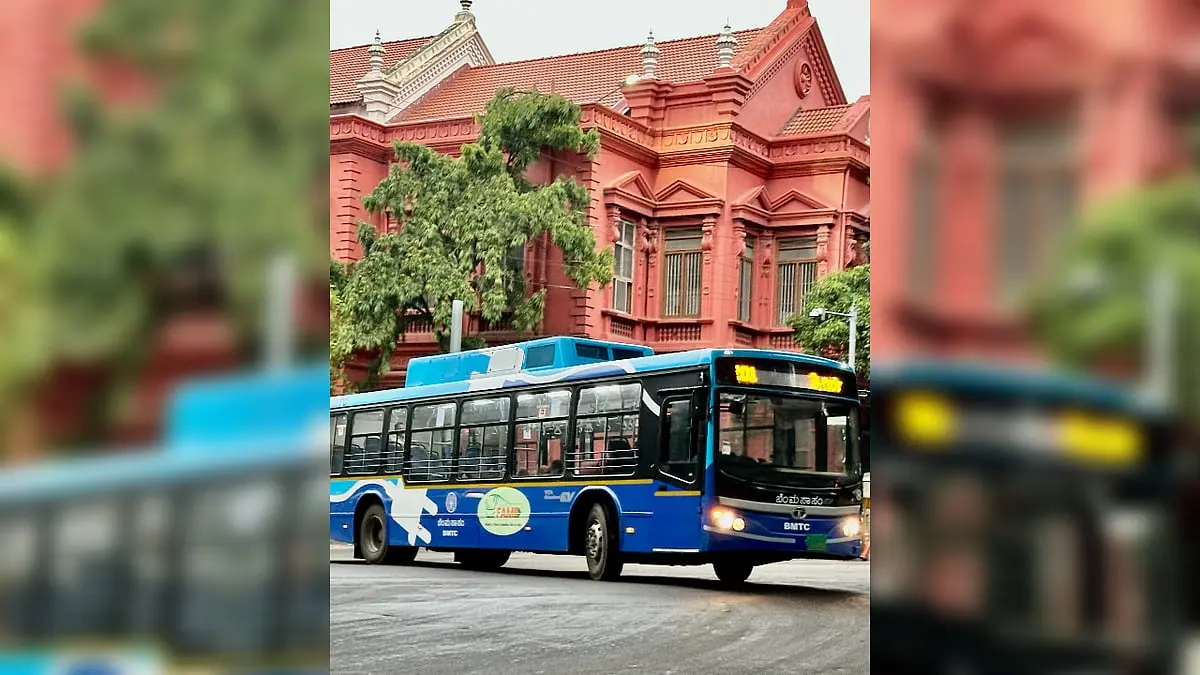
Travel blogger and product manager Arun Bharadwaj has released 'Footboard Diaries,' a book exploring Bengaluru through 28 public transport routes, including 21 bus routes, six passenger trains and one metro line. The author spent two decades researching routes such as the Yeshwantpur-to-Hosur MEMU train, which covers the Hebbal-to-Bellandur stretch in 25 minutes compared to the hour or more it takes by road.
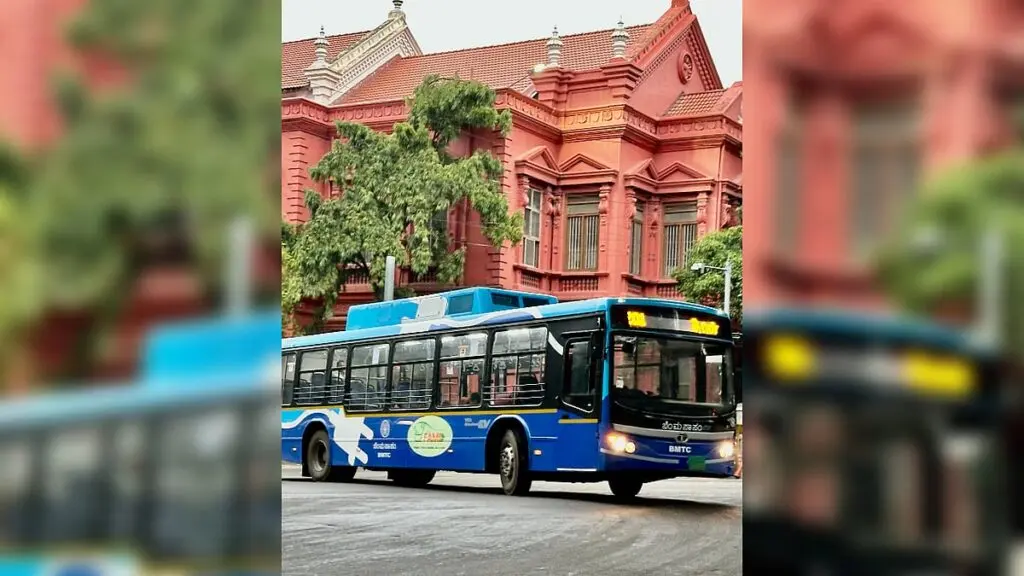
Arun's journey began with Route 2, the last surviving single-digit BMTC bus, which runs between Majestic and JP Nagar and passes institutions such as the University of Visvesvaraya College of Engineering, built in 1917. Across the book, he documents how long-gone cinema halls like Shanti Talkies and Central Talkies survive only as bus stop names, and how KSRTC buses from Doddaballapura terminated at Cauvery Bhavan because handloom weavers preferred it over Majestic.
His recommended routes include the Yeshwantpur-Chikkaballapur MEMU, which stops at British-era stations like Avathihalli and Devanahalli, and Route 201 from Srinagar to Domlur, which passes Chola temples and World War II-era houses. The book also tracks the metro's Purple Line and notes iconic food stops such as Bidadi's thatte idlis and CTR's benne masala dosa near Malleswaram station.
Indian Opinion Analysis
Bengaluru's public transport system moves millions daily but stays invisible to those sealed inside cars. This book-length project suggests a quiet documentary tradition, citizens mapping the city through its buses and trains rather than through official data or political soundbytes. The author spent two decades, not a grant cycle, gathering routes that predate the metro era. For a commuter city drowning in traffic discourse, the value here is not nostalgia but a usable archive: which train still stops at the Airport Halt, which bus route still passes a Chola temple, which single-screen theatre names survive as landmarks. The real metric to watch is whether BMTC or KSRTC uses such route-level histories to improve signage or preserve last-mile connectivity as metro expands.
Source: deccanherald.com
This story was synthesised by AI from the source linked above. Methodology and corrections.