


















Now Reading: Chennai’s public transport system a model for Indian cities
-
01
Chennai’s public transport system a model for Indian cities


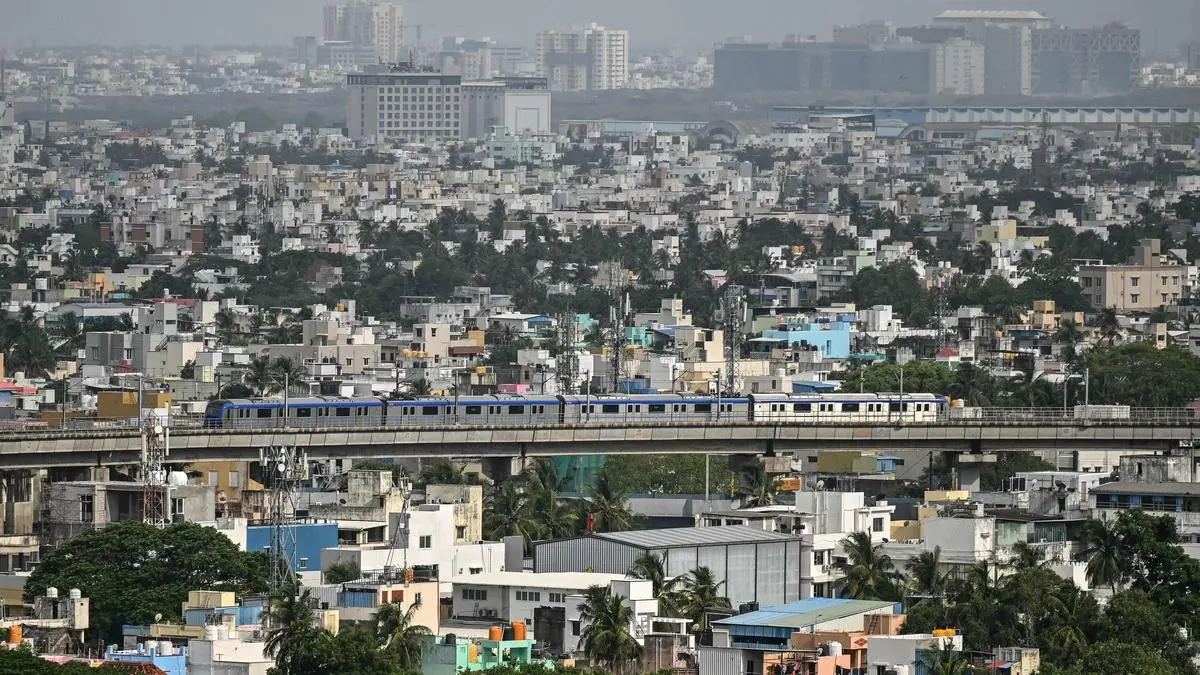
Chennai, which is marking 387 years, has built a public transport network that is among the most dependable in India, according to a review of its evolution. The city's Metropolitan Transport Corporation operates over 3,850 buses on 685 routes, carrying about 35 lakh commuters daily, making it the country's largest bus network, a transport department official said.
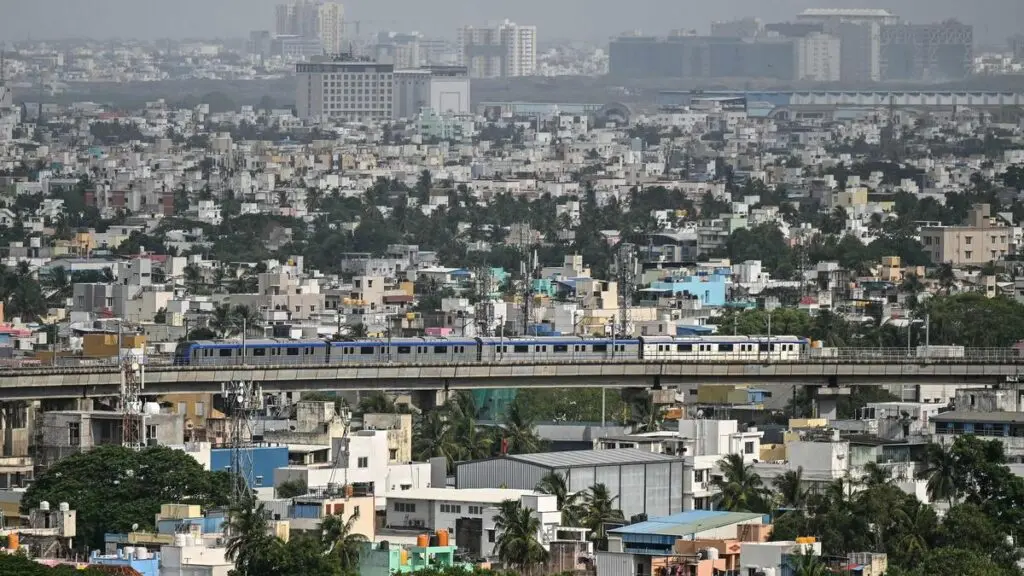
The Chennai Metro, which started in 2015, now sees an average of 3.4 lakh riders daily, up from 10,000 initially, and is popular for its punctuality and safety. Phase II of the Metro, with three corridors covering 118.9 km from Madhavaram to SIPCOT, Light House to Poonamallee, and Madhavaram to Sholinganallur, is under construction.
The city also runs suburban trains, the Mass Rapid Transit System (MRTS), and electric and air-conditioned buses. Transport was nationalised in 1947 with 30 buses, and the Pallavan Transport Corporation was formed in 1972. The tram system closed in 1953 after a workers' strike.
Indian Opinion Analysis
Chennai's public transport story stands out because its bus network predates widespread private vehicle ownership, giving it a structural advantage over cities that prioritised roads. The Phase II Metro expansion, at an estimated Rs 61,843 crore, will connect growing southern suburbs like Sholinganallur, an IT corridor, and northern industrial zones. Urban planners note the key factor is that all three Metro phases link major railway stations and the airport, creating seamless interchanges. The challenge ahead is whether the MRTS, which was planned decades ago and still incomplete between Velachery and St. Thomas Mount, will finally be integrated into the Metro network, eliminating a long-known gap. The state government's decision on that extension, expected within this financial year, will determine if Chennai's system becomes truly unified.
Chennai's public transport story stands out because its bus network predates widespread private vehicle ownership, giving it a structural advantage over cities that prioritised roads.
Source: thehindu.com
This brief was synthesised by AI from the source linked above. Methodology and corrections.