





















Now Reading: Bernstein flags eight distortions behind India Inc Q1 earnings
-
01
Bernstein flags eight distortions behind India Inc Q1 earnings



Bernstein has cautioned against reading too much into the upbeat commentary around Indian listed companies' first-quarter results of fiscal 2027, arguing that temporary factors are being treated as permanent achievements. The research…
Bernstein has cautioned against reading too much into the upbeat commentary around Indian listed companies' first-quarter results of fiscal 2027, arguing that temporary factors are being treated as permanent achievements. The research firm retained its Nifty target at 26,000 points.

In a report titled 'India Strategy: The distortion economy and the beneficiaries', Bernstein highlighted eight factors that present a more nuanced picture. It noted that headline PAT growth was flattered by excluding oil marketing companies, which reported combined losses of about Rs 18,000 crore. The firm also attributed some demand improvement after GST cuts to pent-up demand and front-loading ahead of expected price rises.
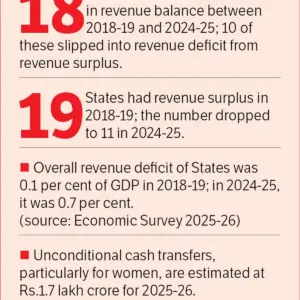
Bernstein pointed to government transfers supporting manufacturing earnings and rural income, and questioned the sustainability of those gains. It said production-linked incentive schemes have benefited only a limited number of companies, with auto firms reporting higher margins partly due to PLI support funded by the average taxpayer. The firm also flagged income-support schemes as creating moral hazard and reducing labour productivity.
Indian Opinion Analysis
Bernstein's critique strikes at a recurring debate about the quality of India's earnings growth. Government transfers, PLI payouts and GST-cycle effects are legitimate policy tools, but the report argues they mask the market-driven part of the story. The Reserve Bank has also flagged demand supported by fiscal transfers in its own monetary policy reports. The 26,000 Nifty target is a cautious bet: it implies limited upside from current levels if the distortions unwind. What matters next is whether the Q2 results show companies sustaining margins without PLI or one-off demand pulls. The September GST collections data will be an early signal of whether consumption is real or borrowed from future quarters.
Source: thehindu.com
This brief was synthesised by AI from the source linked above.