


















Now Reading: Chidambaram: 1991 reforms could have started in 1981
-
01
Chidambaram: 1991 reforms could have started in 1981


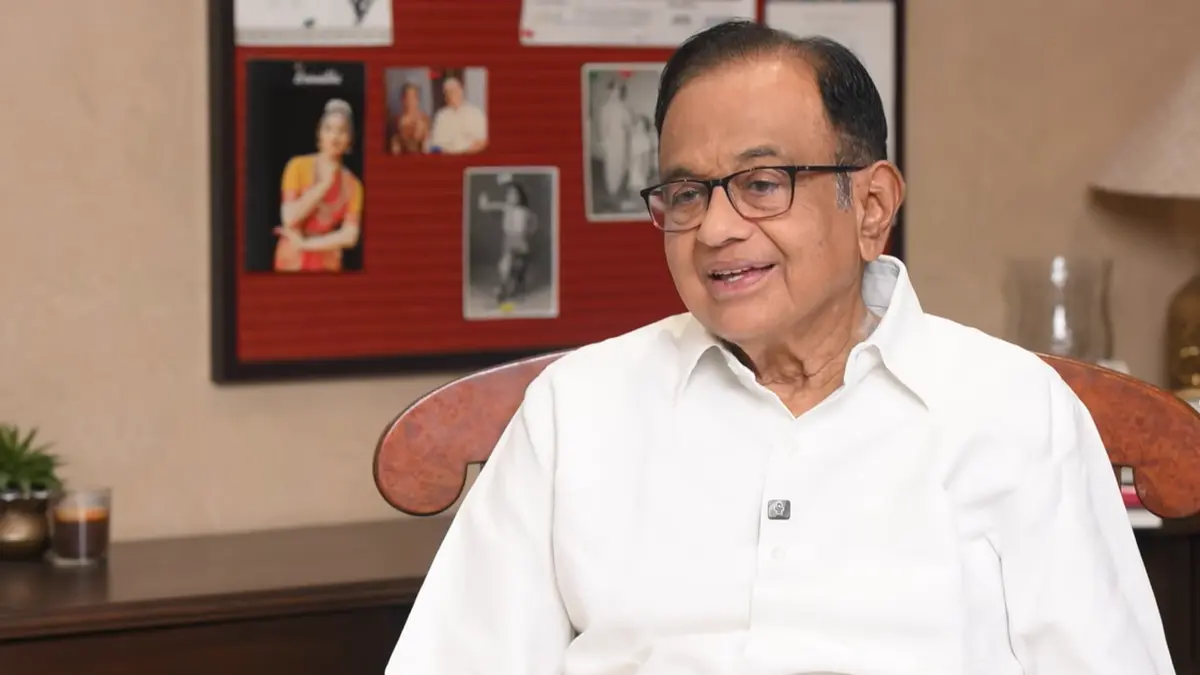
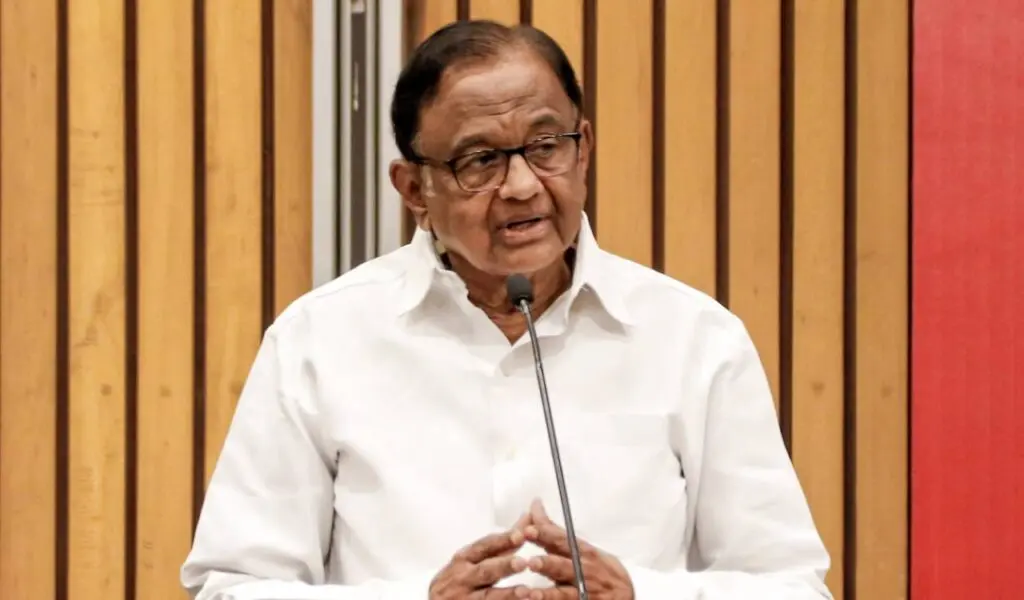
Former Union minister P. Chidambaram has said India could have begun its economic reforms a decade earlier than 1991, but not during the time of C. Rajagopalachari. In an interview with The…
Former Union minister P. Chidambaram has said India could have begun its economic reforms a decade earlier than 1991, but not during the time of C. Rajagopalachari. In an interview with The Hindu 360, Chidambaram acknowledged that the reforms could have started in 1981, when he said conditions were more favourable.
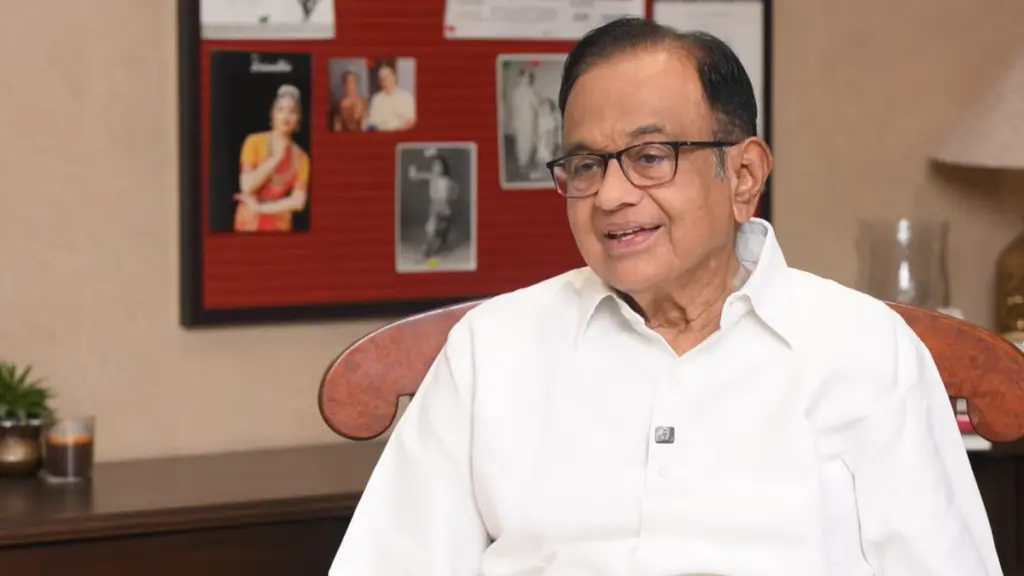
Asked whether India would have been better off following Rajagopalachari's prescription of opening up the economy in the late 1950s through the early 1970s, Chidambaram said that was not possible. Rajagopalachari, the first Indian governor-general of independent India, founded the Swatantra Party and advocated for economic liberalisation decades before the 1991 reforms.
Chidambaram, who has presented nine Union budgets, did not elaborate on what made 1981 a possible starting point instead of the earlier period.
Indian Opinion Analysis
The 1991 reforms are widely credited to then-finance minister Manmohan Singh under PM P.V. Narasimha Rao, triggered by a balance of payments crisis. Chidambaram's suggestion that 1981 was feasible points to Indira Gandhi's final years, when the IMF had approved a large loan and some liberalisation was attempted, but the political consensus for dismantling the licence raj was absent. The Swatantra Party, founded in 1959, never held more than a handful of Lok Sabha seats, so Rajagopalachari's vision lacked the parliamentary strength to become policy. Chidambaram's comment is a historical what-if, not a policy proposal, but it revives a recurring debate among economists about whether India's reforms were delayed by political caution rather than economic inevitability. The 2026 election cycle may sharpen these arguments as parties revisit their economic records.
Source: thehindu.com
This brief was synthesised by AI from the source linked above.