














Now Reading: Bhakti movement missing from NEP 2020 curriculum, Varma argues
-
01
Bhakti movement missing from NEP 2020 curriculum, Varma argues


The National Education Policy 2020 seeks to root education in Indian ethos, but author and former diplomat Pavan K Varma argues it fails to teach the Bhakti movement as an integrated reform…
The Story in Brief
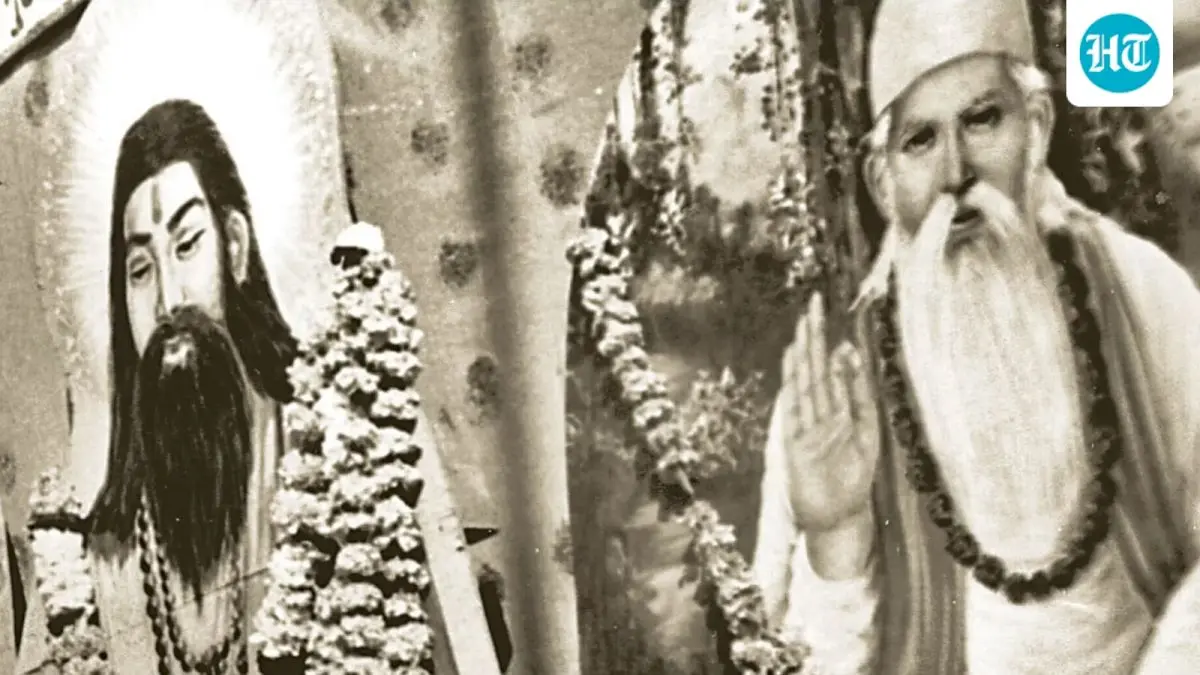
The National Education Policy 2020 seeks to root education in Indian ethos, but author and former diplomat Pavan K Varma argues it fails to teach the Bhakti movement as an integrated reform movement. He points to figures like Mahadevi Akka, Basavanna, and Namadeva who defied caste hierarchies and ritualistic purity through devotional hymns.
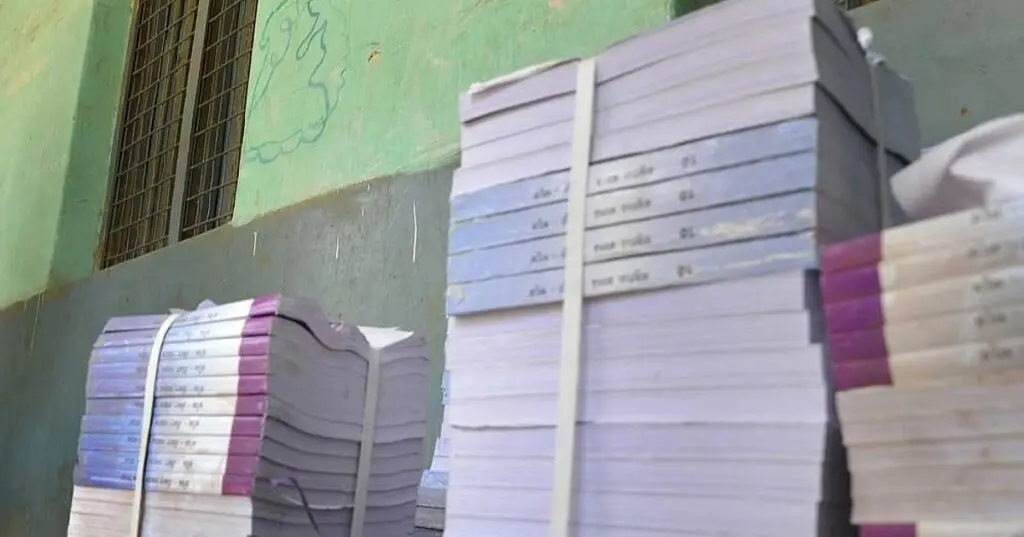
Varma says students learn individual saints such as Kabir and Tulsidas but miss the pan-Indian reawakening that lasted over six centuries. He warns that such civilisational amnesia is unforgivable and calls for impartially reconfigured textbooks to show the Bhakti movement's role in reforming Hinduism and blending with Sufism.
The Indian Opinion
The claim that NEP 2020 will restore Indian civilisational heritage often ignores the details. Varma's critique shows that even a well-intentioned policy can fail if curriculums are not redesigned. The Bhakti movement's radical anti-caste and inclusive character challenges both those who want a sanitised past and those who dismiss it. The real test is whether future textbooks will treat it as an integrated reform movement spanning centuries, not just a list of saints.
Source: hindustantimes.com
This story was synthesised by AI from the source linked above.