














Now Reading: Bhutan, Singapore practice Buddhist diplomacy amid China-India rivalry
-
01
Bhutan, Singapore practice Buddhist diplomacy amid China-India rivalry

Bhutan, Singapore practice Buddhist diplomacy amid China-India rivalry

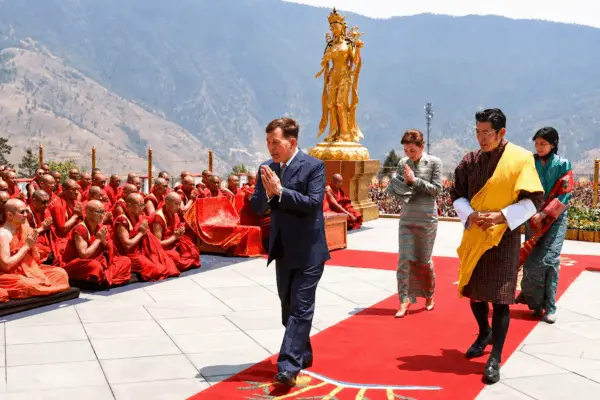
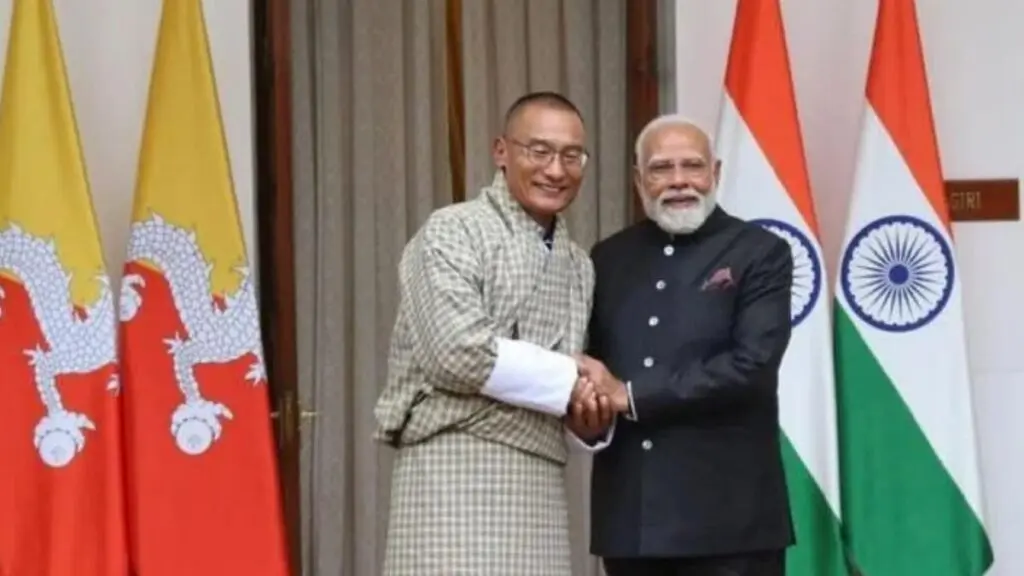
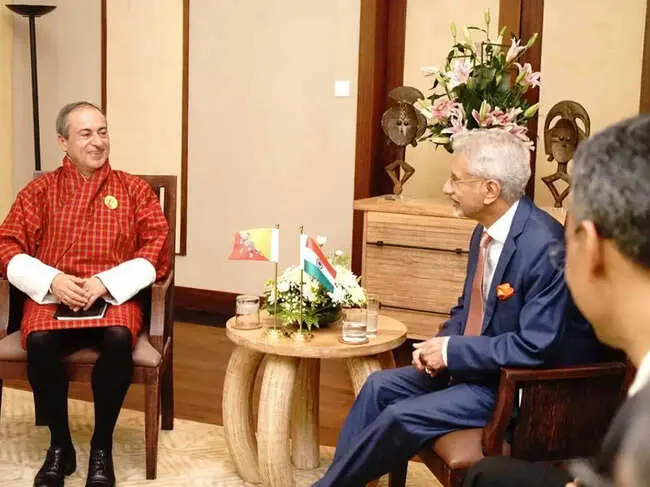
A study by The Diplomat highlights how small states like Bhutan and Singapore are using Buddhist diplomacy to build influence amid strategic competition between China and India. Bhutan, a Vajrayana Buddhist kingdom, integrates Buddhist values into governance through Gross National Happiness and leverages royal exchanges with Thailand, including King Vajiralongkorn's 2025 visit, to strengthen ties beyond its immediate neighbourhood. Its Gelephu Mindfulness City project brands mindfulness for global investment, though critics note a tension between Buddhist ethics and capitalist integration.
Singapore, a secular republic, acts as an intermediary using Buddhist heritage to facilitate dialogue. Frontiers in a separate analysis notes that both China and India deploy Buddhist diplomacy in South and Southeast Asia as soft power. China sponsors forums and restores sites, while India promotes pilgrimage circuits and relic diplomacy. The Diplomat observes that smaller states like Singapore and Bhutan quietly pursue their own strategies, often overlooked in the focus on major powers.
Indian Opinion Analysis
The Diplomat frames Buddhist diplomacy as a nuanced tool for small states navigating great-power competition, emphasising Bhutan's cultural sovereignty and Singapore's connector role without critiquing either China or India. Frontiers focuses on India and China as rival soft-power actors, treating Buddhist diplomacy primarily as a strategic contest. The Diplomat omits the competitive framing, instead highlighting cooperation and autonomy. A balanced view recognises that while China and India dominate the narrative, smaller actors like Bhutan and Singapore gain agency through cultural diplomacy, and their approaches deserve attention as distinct models rather than mere responses to rivalry. Watch for the Gelephu project's progress as a test of Buddhist capitalist branding.
Coverage: 2 sources, 2 neutral
Sources (2): thediplomat.com (neutral report), frontiersin.org (neutral report)
This story was synthesised by AI from the 2 sources linked above. Methodology and corrections.
Updated: this story now draws on 2 sources.