















Now Reading: India-Southeast Asia ties rooted in civilisational links: study
-
01
India-Southeast Asia ties rooted in civilisational links: study


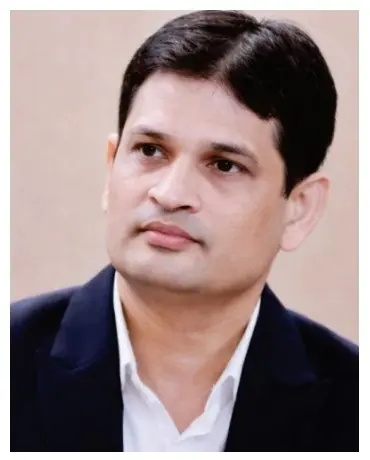
A research paper by Dr. Anshuman Behera of the University of Hyderabad argues that India's historical and socio-cultural linkages with Southeast Asia go beyond Western concepts of hard or soft power. The study, published in the journal Asia Europe Journal, says India's foreign policy blends nationalism and internationalism, rooted in shared civilisational values, unlike Western frameworks that treat culture as a diplomatic tool for national interests.
The paper traces the relationship from colonial disruption through the Cold War, when India prioritised non-alignment, and then examines the shift from the Look East Policy to the Act East Policy, calling it 'pragmatic idealism'. Under the Act East Policy, India has deepened security, defence, connectivity, and trade ties in the Indo-Pacific, and boosted people-to-people links through cultural restoration and educational exchanges.
However, Dr Behera notes structural challenges remain: trade deficits, infrastructure delays, and limited economic integration compared to China. The study concludes that India must align its civilisational goodwill with modern geopolitical and economic realities to realise its full strategic potential in Southeast Asia.
Indian Opinion Analysis
The Act East Policy is India's most ambitious outreach to Southeast Asia since the 1990s, but it operates in a region where China is the dominant trade partner and infrastructure financier. The Association of Southeast Asian Nations (ASEAN) bloc, with over 650 million people, is a key market for Indian goods and services, yet India's share of ASEAN trade remains under 4%. The policy's success hinges on bridging the gap between cultural goodwill and hard deliverables like faster project execution and reduced trade barriers. Watch for the next India-ASEAN summit outcomes, especially on connectivity projects and the proposed review of the ASEAN-India Trade in Goods Agreement.
Source: herald.uohyd.ac.in
This story was synthesised by AI from the source linked above. Methodology and corrections.