













Now Reading: Biocon calls US generic drug tariffs a negotiation tactic
-
01
Biocon calls US generic drug tariffs a negotiation tactic


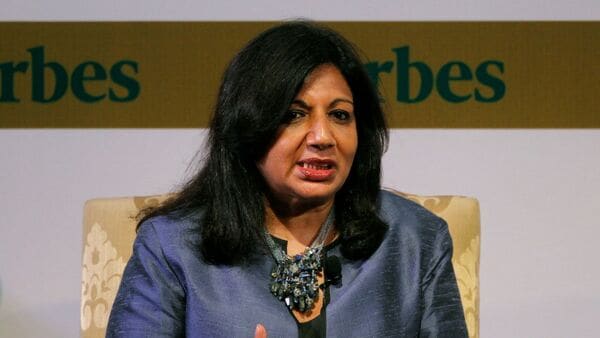
Biocon will wait before changing its US strategy, while exploring partnerships for local manufacturing if required, executive chairperson Kiran Mazumdar-Shaw told Mint. She said proposed tariffs were more likely a negotiating threat…
The Story in Brief
Biocon will wait before changing its US strategy, while exploring partnerships for local manufacturing if required, executive chairperson Kiran Mazumdar-Shaw told Mint. She said proposed tariffs were more likely a negotiating threat than a policy that would be carried through, as higher medicine costs would conflict with Washington’s aim of reducing healthcare spending.
Under the plan, generic drugs would remain duty-free for two years, then face a 100% tariff for a year before rising to 200%. Generics make up about 90% of US prescriptions but 10% of drug spending. India exported $9.7 billion of medicines to the US in 2025, about 37% of its drug exports. Biocon’s biosimilars revenue rose 16% year-on-year in the June quarter, while total revenue increased 10% to Rs 4,336 crore.

The Indian Opinion
The loudest claims on both sides deserve caution. Saying the tariffs are harmless ignores India’s exposure to its biggest overseas pharma market. Saying they will quickly bring back mass US production ignores the low margins, plant approvals and costs involved. Partnerships, selective relocation and higher prices for American buyers are more plausible than a wholesale shift. The clearest test is whether Washington moves beyond threats and applies the 100% levy after the two-year grace period.
Sources (3): livemint.com, livemint.com (2), livemint.com (3)
This story was synthesised by AI from the 3 sources linked above.
Updated: this story now draws on 3 sources.