








Now Reading: CEA advises bringing back E10 petrol for older vehicles
-
01
CEA advises bringing back E10 petrol for older vehicles



Chief economic advisor V Anantha Nageswaran has recommended that India reintroduce a lower ethanol blend petrol, such as E10, alongside the current E20 fuel to protect millions of older vehicles, particularly two-wheelers built before BS-IV. In an opinion piece co-authored with Akash Poojari, Nageswaran argued that while evidence does not support widespread claims that E20 damages modern engines, older carburettor-based vehicles and non-ethanol-rated rubber seals face real problems, including engines running hot and seal degradation.
The government has dismissed most user complaints about E20, and the oil ministry has said supplying multiple fuel grades is not feasible. However, the authors estimated the energy penalty of E20 at 6-7 per cent and noted no increased wear in compatible vehicles. They cautioned that raising blending beyond E20 could intensify competition between fuel production and food crops, as maize now accounts for about half of India's ethanol feedstock, and raised concerns about water use and unclear climate benefits of grain-based ethanol.
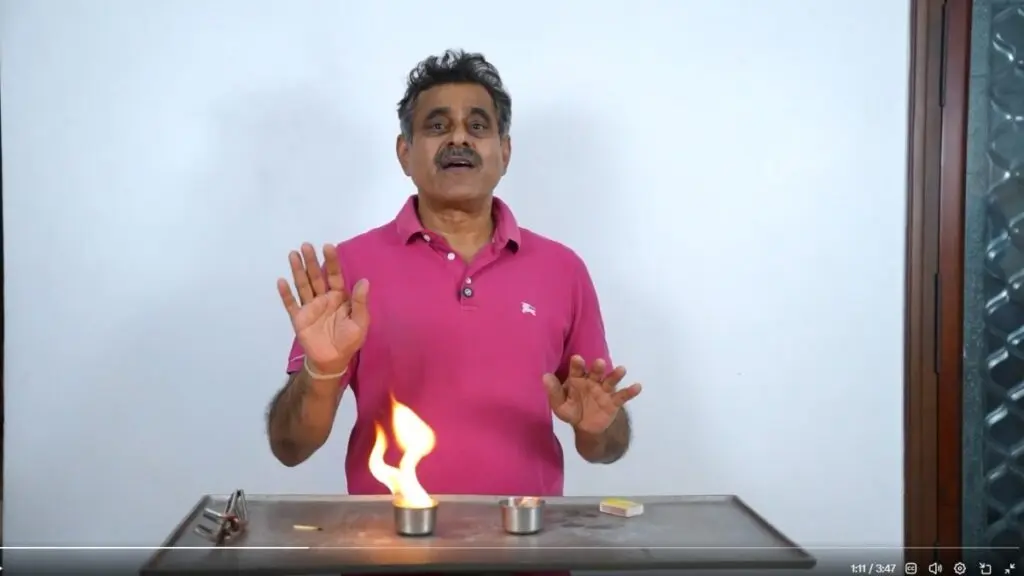
India's ethanol programme has helped clear sugarcane arrears and support rural incomes, but Nageswaran and Poojari urged policymakers to prioritise reversible measures, such as making lower-blend petrol available, before further policy changes. India Today reported that a BJP MP, Konda Vishweshwar Reddy, conducted an external combustion experiment to demonstrate ethanol's advantages, though experts noted that his test did not replicate conditions inside an internal combustion engine.
Sources (3): indiatoday.in, deccanchronicle.com, rediff.com
This story was synthesised by AI from the 3 sources linked above. Methodology and corrections.
Updated: this story now draws on 3 sources.