

















Now Reading: Retrofitting could save Rs 1.2 lakh crore over scrappage: NITI Aayog
-
01
Retrofitting could save Rs 1.2 lakh crore over scrappage: NITI Aayog


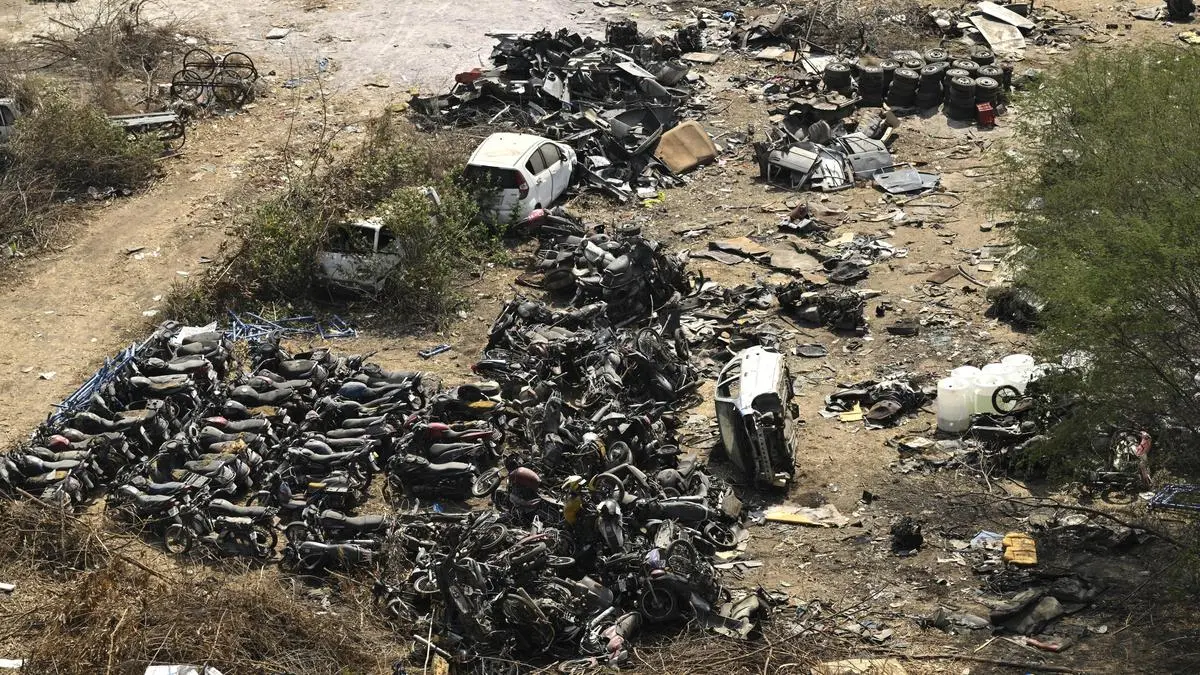
India scraps only about 1 to 1.2 lakh vehicles a year under its vehicle scrappage policy, while an estimated 1.2 crore end-of-life vehicles (ELVs) remain on roads, according to NITI Aayog. Of these, only 35,000 have passed through registered scrapping facilities, the rest are dismantled informally without environmental safeguards. A road tax rebate of 4-6% has failed to convince owners to scrap vehicles that still hold utility value.
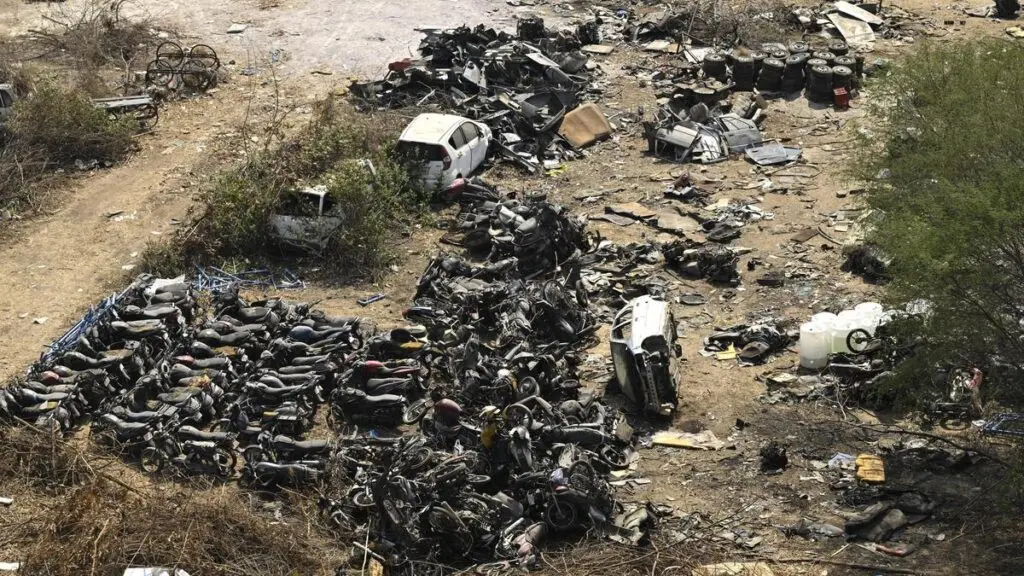
Retrofitting, replacing an internal combustion engine with an electric powertrain while reusing the chassis, body, and tyres, offers a cheaper alternative, saving owners up to Rs 70,000 on a two-wheeler and Rs 5-10 lakh on a four-wheeler compared to buying a new EV. The approach avoids the industrial carbon footprint of manufacturing new electric vehicles and prevents groundwater contamination from abandoned ELVs. Collectively, retrofitting could save over Rs 1.2 lakh crore in manufacturing and acquisition costs, while creating skilled jobs in local garages.
Scaling retrofitting requires ARAI licensing for retrofit kits and workshops, OEM participation in the aftermarket, and clear RTO registration norms for retrofitted vehicles. Currently, retrofitting operates in a legal grey zone in most states. The Ministry of Road Transport and Highways has yet to release formal guidelines.
Indian Opinion Analysis
India’s fleet of 12 million end-of-life vehicles (ELVs) is the target of a 2021 scrappage policy that was meant to cut pollution and boost formal recycling, but the incentive-punitive design, a 4-6% tax rebate vs the cost of a new vehicle, has kept compliance negligible. Retrofitting, which allows owners to swap an old engine for an electric powertrain at 40-70% less than a new EV, is legal only in a handful of states and lacks ARAI certification standards, OEM participation, and RTO registration rules. The Economic Survey 2023-24 had flagged that India's vehicle scrapping infrastructure can handle barely 5% of the annual ELV generation. With 12 million ELVs still on road and tailpipe emissions a major contributor to India's PM 2.5 burden, the Ministry of Road Transport and Highways is expected to release draft retrofitting guidelines in 2025.
Source: thehindu.com
This story was synthesised by AI from the source linked above. Methodology and corrections.