


















Now Reading: India’s 970 million voters begin six-week general election
-
01
India’s 970 million voters begin six-week general election


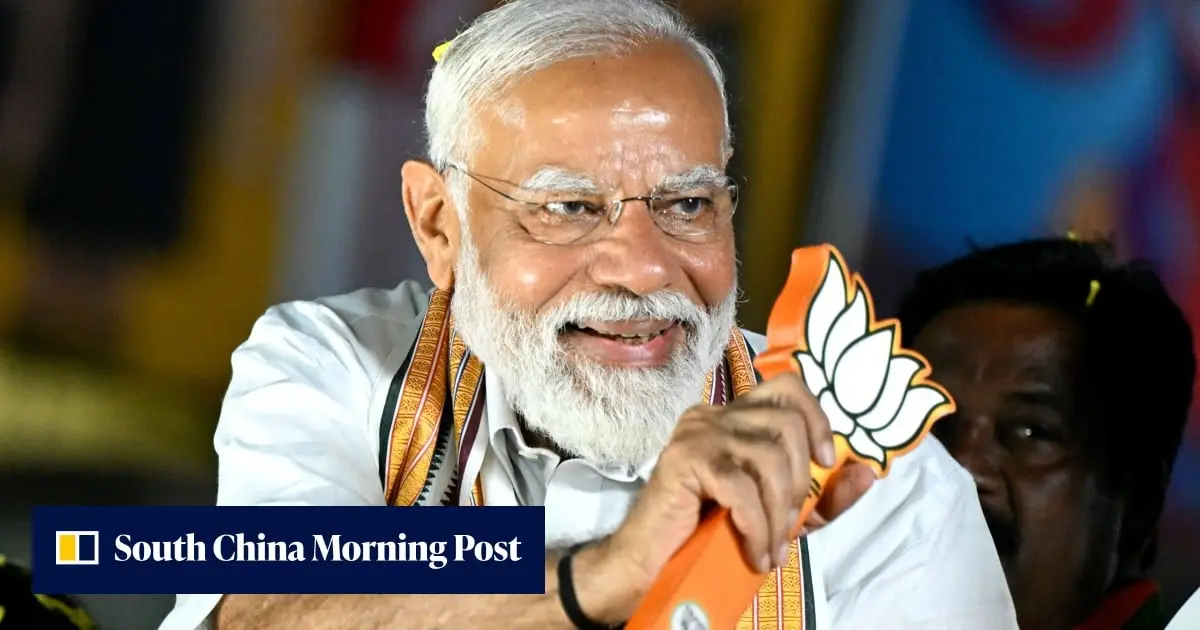
India's 18th general election begins next week, with 970 million eligible voters at more than 1 million polling stations. About 11 million election workers will oversee the six-week process. Spending is expected…
India's 18th general election begins next week, with 970 million eligible voters at more than 1 million polling stations. About 11 million election workers will oversee the six-week process. Spending is expected to exceed the US$8.7 billion from the 2019 polls.
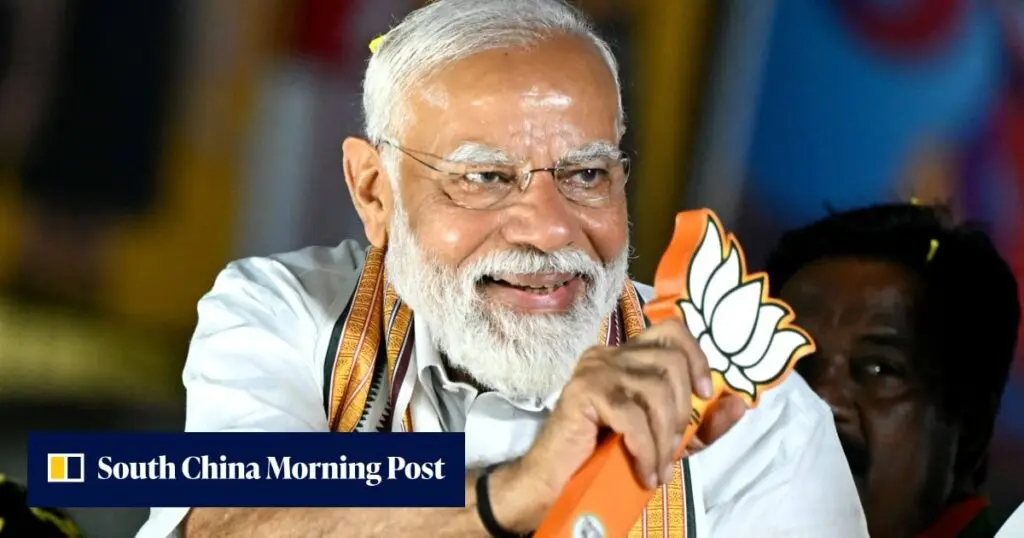
Prime Minister Narendra Modi is seeking a third term, which would match Jawaharlal Nehru's record. His BJP won simple majorities in 2014 and 2019 and now aims for a supermajority of two-thirds of the 543 Lok Sabha seats, which would allow constitutional changes. Political commentator Arati Jerath said Modi told parliament to expect big decisions but gave no specifics.
In Uttar Pradesh, which sends the most MPs to the Lok Sabha, a grand alliance of opposition parties is targeting Yadav, Jat and Dalit voters who backed the BJP in 2014, aiming to deny Modi a return to power. Voting in the state began on Thursday.
Indian Opinion Analysis
SCMP frames Modi's electoral prospects around BJP's potential to remove 'secular' from the constitution and secure a supermajority for changes, foregrounding Hindu nationalism concerns. It also profiles the anti-BJP grand alliance in Uttar Pradesh targeting caste groups. The coverage is straight reporting: no source takes an overtly critical or pro-government stance beyond stating facts. A balanced reading is that the BJP's 2014 and 2019 majorities are on the line, with opposition attempting to reclaim lost voter bases. The key number to watch is whether the BJP crosses 272 seats for a simple majority or reaches 362 for the two-thirds threshold needed for constitutional amendments.
Coverage: 3 sources, 3 neutral
Sources (3): scmp.com (neutral report), scmp.com (2) (neutral report), amp.scmp.com (neutral report)
This brief was synthesised by AI from the 3 sources linked above, so one read covers every framing they carry.
Updated: this story now draws on 3 sources.