












Now Reading: Bollywood’s Patriotism Shifts From Defiance to Confident Pride
-
01
Bollywood’s Patriotism Shifts From Defiance to Confident Pride



Hindi cinema’s patriotic language has moved from coded defiance under British rule to pride, sacrifice and assertive nationalism, Hindustan Times reports. The 1943 film Kismet used Door Hato Ae Duniya Walon to…
The Story in Brief
Hindi cinema’s patriotic language has moved from coded defiance under British rule to pride, sacrifice and assertive nationalism, Hindustan Times reports. The 1943 film Kismet used Door Hato Ae Duniya Walon to evade British censorship while reaching Indian audiences. Manoj Kumar’s Upkar and Purab Aur Pachhim later focused on national pride and hope. The 1980s brought larger action dramas such as Kranti and Karma, while films including Gadar: Ek Prem Katha and Dhurandhar used more aggressive rhetoric.
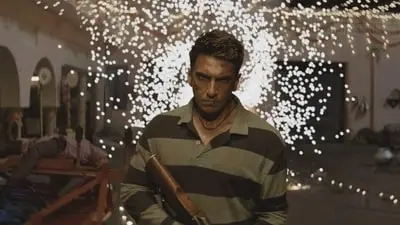
NDTV’s Independence Day list shows that patriotism has also taken quieter forms. Lagaan, Swades, Rang De Basanti, Chak De! India and Bhaag Milkha Bhaag link national feeling with sport, social responsibility, unity and personal achievement. War films such as Border, Shershaah and Uri: The Surgical Strike place military courage at the centre, but Bollywood’s recurring message is broader than battlefields alone.

The Indian Opinion
The lazy claim that Bollywood patriotism is either pure propaganda or only about soldiers misses films such as Swades, Chak De! India and Rang De Basanti. The opposite claim, that louder slogans automatically represent a stronger national feeling, is just as thin. A better test is whether a film gives patriotism human and civic substance beyond applause. When Independence Day reruns return, the question is simple: what does each story ask citizens to do, not merely cheer?
Sources (2): hindustantimes.com, ndtv.com
This story was synthesised by AI from the 2 sources linked above.
Updated: this story now draws on 2 sources.