























Now Reading: Skyroot success shows India’s deep-tech funding gap
-
01
Skyroot success shows India’s deep-tech funding gap


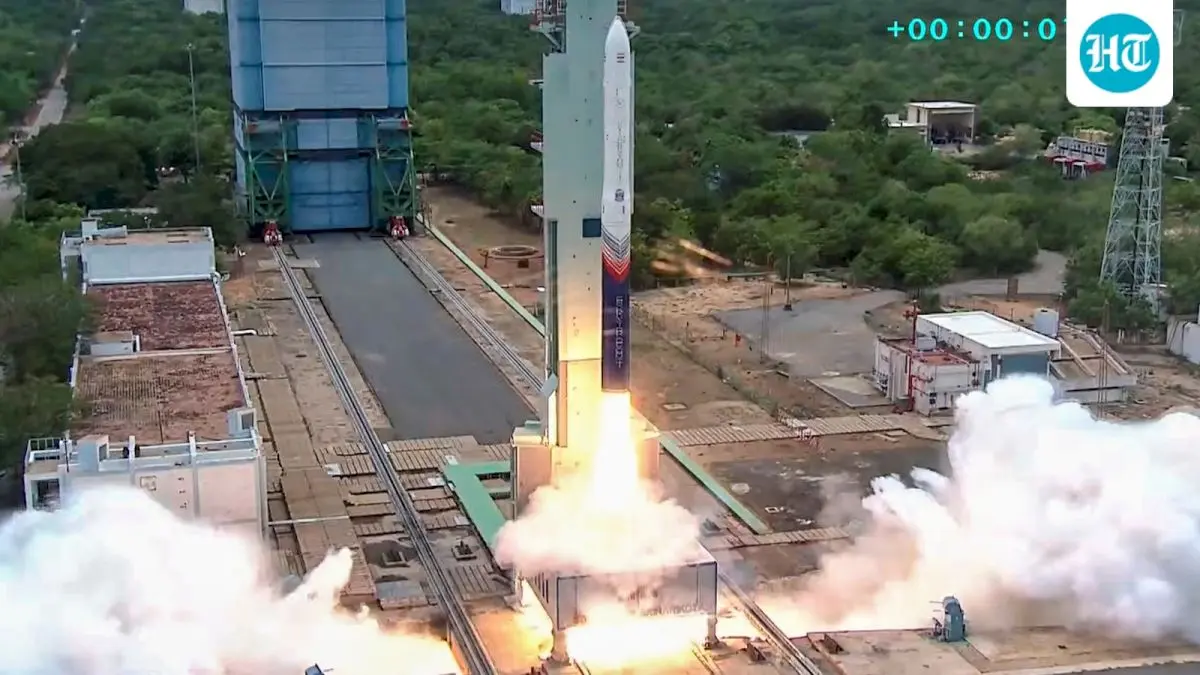
Skyroot Aerospace’s Vikram-1 launch on July 18, 2026 made India the third country, after the US and China, with private orbital launch capability, Hindustan Times reports. Founded nearly eight years ago by…
The Story in Brief
Skyroot Aerospace’s Vikram-1 launch on July 18, 2026 made India the third country, after the US and China, with private orbital launch capability, Hindustan Times reports. Founded nearly eight years ago by former ISRO scientists, Skyroot benefited from technical expertise, patient investors, public infrastructure, regulatory support and engagement with ISRO.
The success also exposes the barriers facing other deep-tech firms. Startups often struggle to fund certification, manufacturing, inventory and working capital after proving their technology. Indian deep-tech companies raised $1.65 billion in 2025, compared with about $147 billion in the US and $81 billion in China. The Startup India Fund of Funds 2.0 and the Rs 1 lakh crore RDI Scheme aim to address this funding gap.
The Indian Opinion
The lazy narrative is that one successful launch proves India has solved its innovation problem. The opposite claim, that government schemes alone can create global companies, is just as weak. Deep-tech firms need buyers, patient domestic capital and lenders willing to assess unfamiliar technology. The real test is whether approved funding reaches companies beyond headline sectors, and whether public procurement produces repeat commercial orders rather than one-off pilots.
Source: hindustantimes.com
This story was synthesised by AI from the source linked above.