






















Now Reading: Bombay HC warns of Aadhaar, PAN fraud by infiltrators
-
01
Bombay HC warns of Aadhaar, PAN fraud by infiltrators


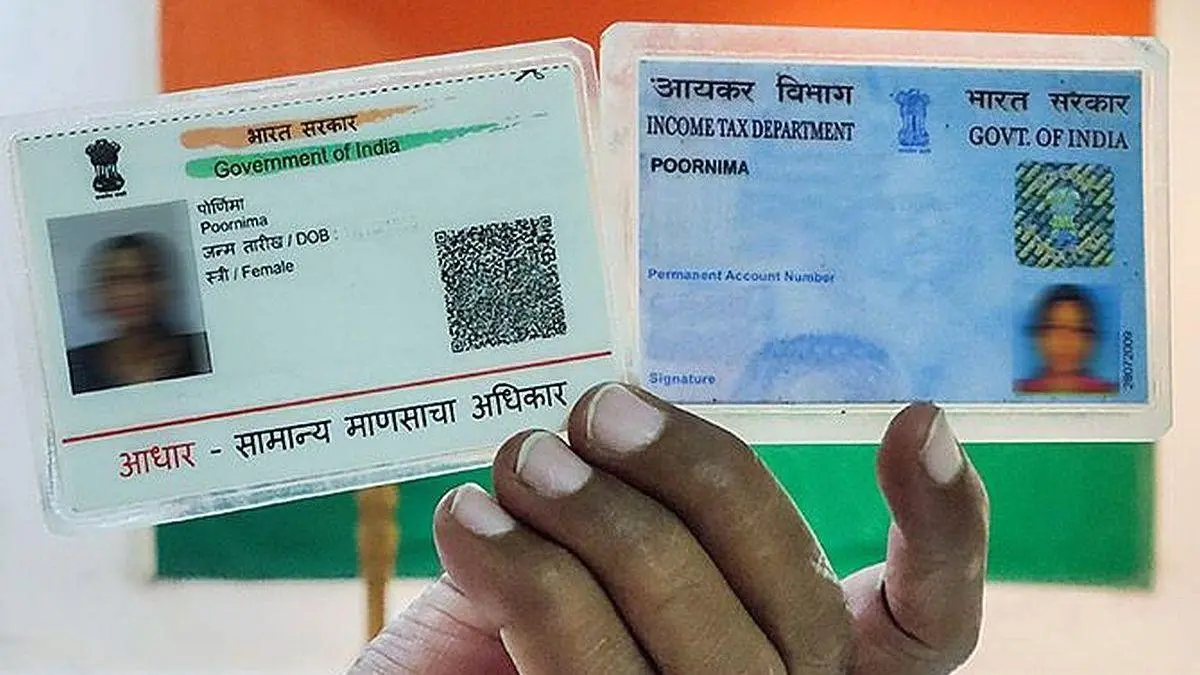
The Bombay high court has flagged a 'concerning pattern' of foreign nationals fraudulently obtaining Indian identity documents such as Aadhaar and PAN cards to claim citizenship. A bench of Justices AS Gadkari and Kamal Khata said this exposes critical gaps in inter-agency coordination and document verification, posing national security risks.
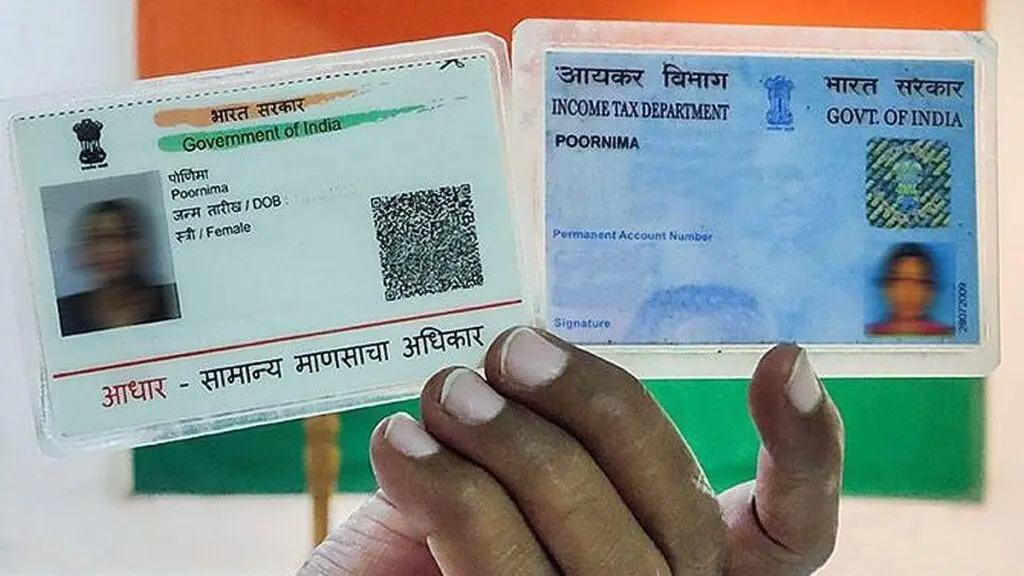
The court urged the Centre to amend the Aadhaar Act to help investigating agencies trace, deport and prevent the re-entry of such infiltrators. It stressed the need for a robust procedure to tackle human trafficking and border infiltration with urgency. The order came on a plea by the Maharashtra government in a case where an Afghan national allegedly used forged documents to obtain an Indian passport after overstaying his visa.
The court directed the UIDAI to furnish the man's enrollment documents to the city police within two weeks, and ordered immigration authorities to begin deportation proceedings within four weeks.
Indian Opinion Analysis
This case highlights the real-world consequence of a known systemic flaw: Aadhaar is an identity authenticator, not a proof of citizenship, yet its possession is often treated as such by agencies. The court's call for Aadhaar Act amendments points to the tension between the UIDAI's privacy framework and law enforcement's need for swift access to enrollment records. Under the current Act, Section 33(1) allows disclosure only by a court order, creating the very delay the HC wants eliminated. The next step to watch is whether the central government initiates a legislative amendment or issues executive directions to the UIDAI to streamline disclosure protocols for national security cases.
Source: rediff.com
This brief was synthesised by AI from the source linked above. Methodology and corrections.