



















Now Reading: Brain death vs coma: the critical legal and medical difference
-
01
Brain death vs coma: the critical legal and medical difference


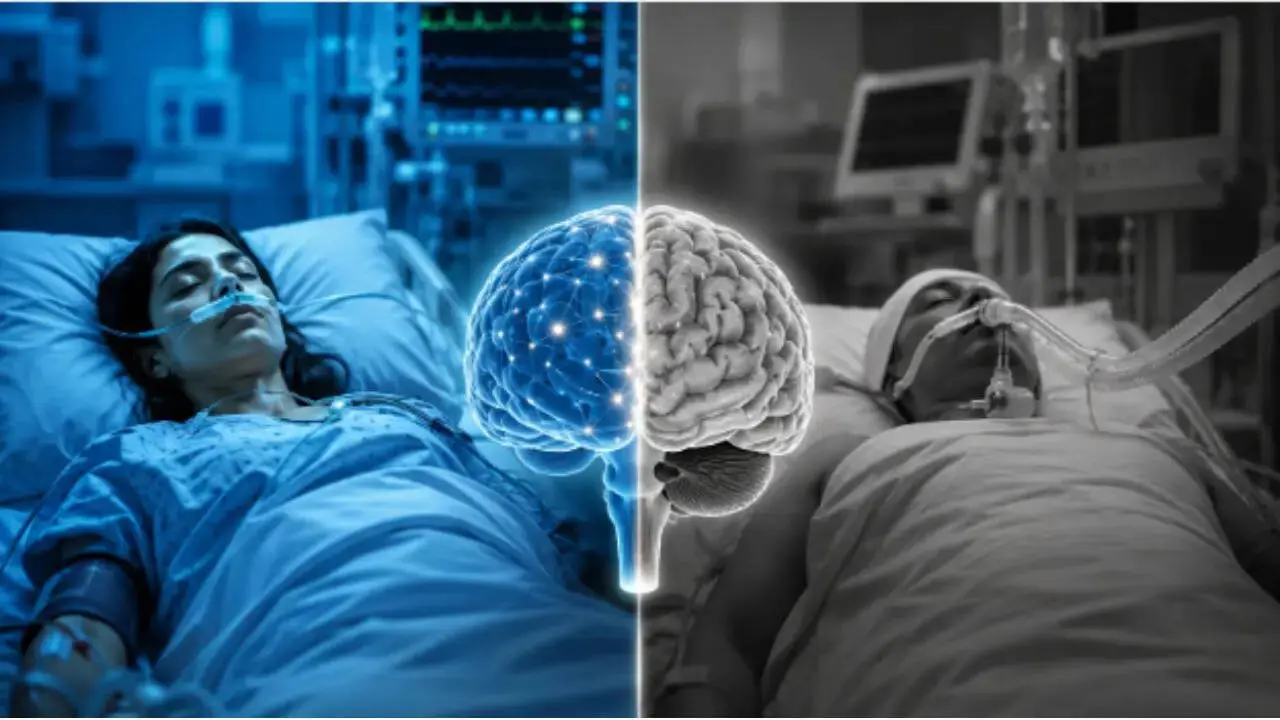
Brain death and coma are fundamentally different conditions, though both involve severe unconsciousness. A coma is a state of profound unconsciousness with some remaining brain activity and brainstem functions, patients may breathe independently and have reflexes. Recovery varies and does not mean death. Brain death, or brain-stem death under Indian law, is the permanent, irreversible loss of all brain function, including the ability to breathe. A person certified brain-stem dead is legally dead.
The diagnosis follows a strict protocol under India's Transplantation of Human Organs and Tissues Act. A Board of Medical Experts tests brain-stem function twice, at least six hours apart, after excluding reversible causes. Organs cannot be retrieved without this formal certification. For families, understanding this distinction is critical for making informed decisions about continued ventilation or organ donation. Dr. Ayan Kumar Dey, a consultant at P. D Hinduja Hospital, said clear communication helps families make dignified, informed choices.
Indian Opinion Analysis
India's Transplantation of Human Organs and Tissues Act (THOTA) governs the brain-stem death certification process, which requires a four-doctor board and two tests six hours apart. This legal clarity is crucial because organ retrieval without certification is illegal, yet families often conflate coma with brain death due to emotional distress. Misunderstanding leads to delayed consent, costing lives with over two lakh patients awaiting transplants annually. Watch for the next NOTTO data release on organ donation rates from brain-dead donors, which will show if public awareness efforts like this article translate into higher consent.
Source: timesnownews.com
This story was synthesised by AI from the source linked above. Methodology and corrections.