













Now Reading: India hit record 18,911 organ transplants in 2024 but donor gap persists
-
01
India hit record 18,911 organ transplants in 2024 but donor gap persists

India hit record 18,911 organ transplants in 2024 but donor gap persists

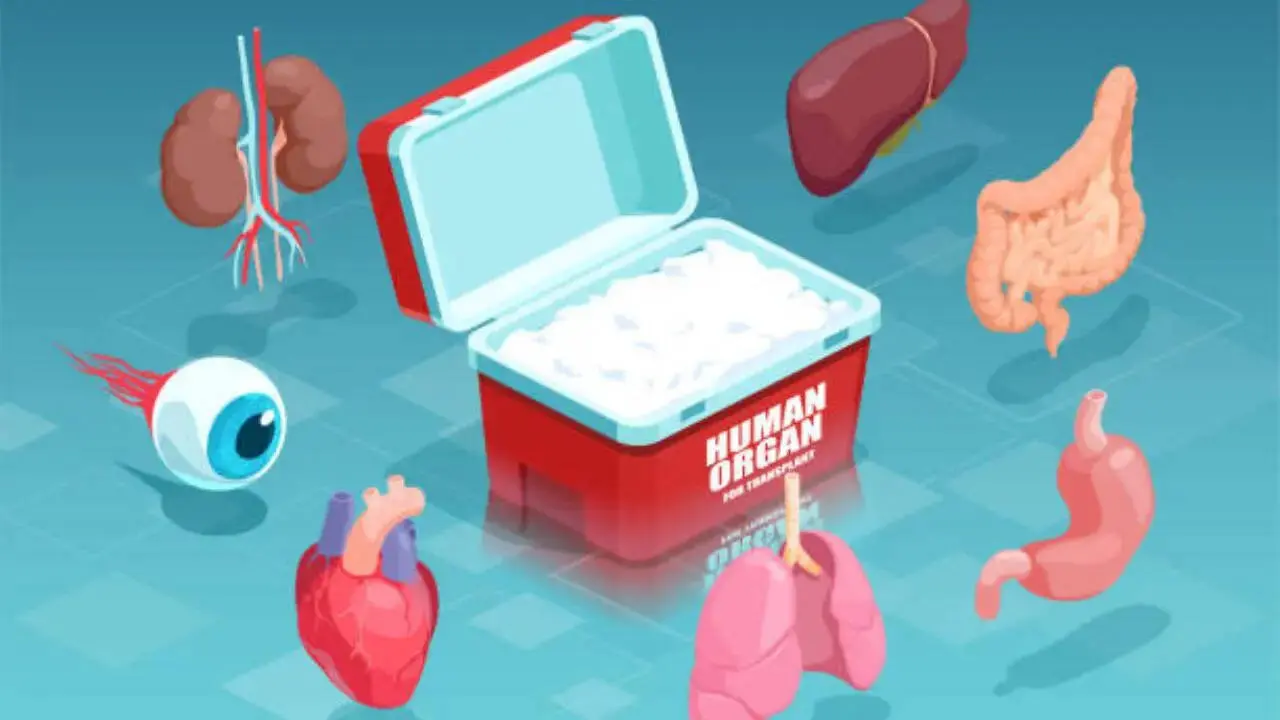
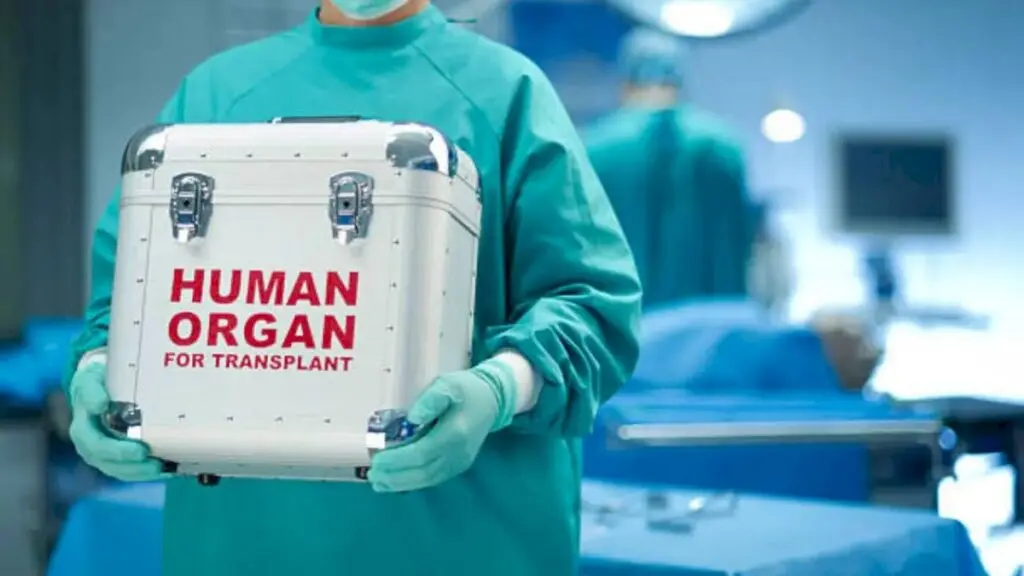
India performed 18,911 organ transplants in 2024, including 3,403 from deceased donors, according to the Ministry of Health's annual report. The country is now the world's third-largest by total transplants and the largest in living-donor transplantation. Yet the deceased organ donation rate stands at just 0.81 per million population, far below countries with established systems.
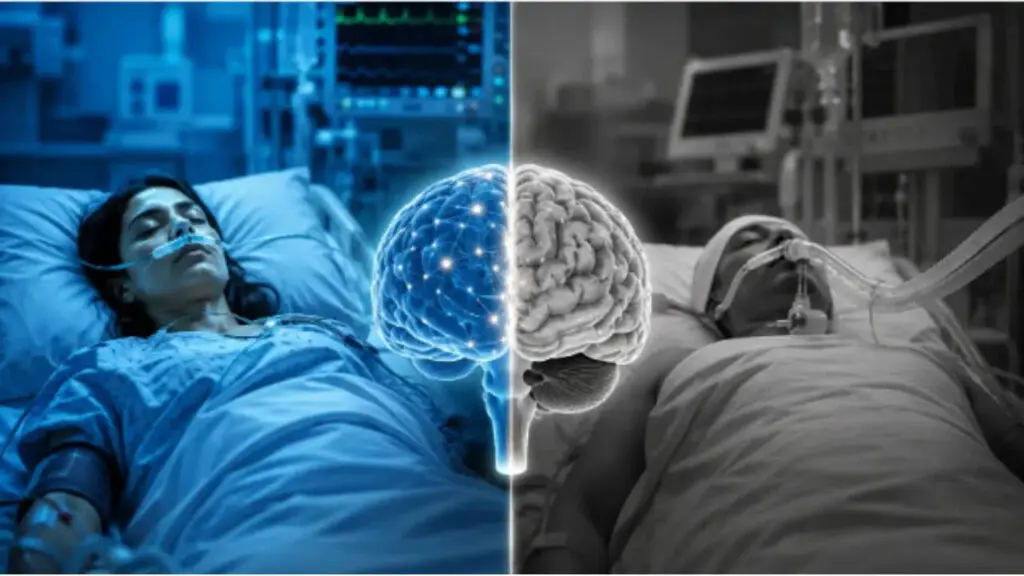
Experts point to several barriers: the shift to nuclear families shrinks the pool of willing living relatives, while deceased donation is hampered by low awareness, religious and cultural concerns, and gaps in hospital infrastructure. NOTTO coordinates a national network, but identifying brain-stem-dead patients, counselling families, and timely organ retrieval remain weak links.
Doctors call for strengthening the entire donation pathway from ICU identification to allocation. They stress the need for trained teams to report brain-stem death and professional coordinators to counsel families. Public awareness campaigns in schools and colleges are urged to build a culture of organ donation.
Indian Opinion Analysis
The report is a straight explanatory feature with no discernible government-critical or pro-government slant. It presents official data (18,911 transplants, 0.81 donation rate) without contesting them, and quotes two doctors and NOTTO on challenges. The framing emphasises infrastructure and awareness gaps rather than policy failure, which leans neutral-report. A careful reader should note that India's living-donor dominance (over 80% of transplants) masks the structural weakness in deceased donation, the 0.81 rate is the key number to watch for progress.
Coverage: 1 source, 1 neutral
Source: timesnownews.com (neutral report)
This story was synthesised by AI from the source linked above. Methodology and corrections.