














Now Reading: Government approves Rs 23,731 crore GOBARdhan scheme for Bio-CNG
-
01
Government approves Rs 23,731 crore GOBARdhan scheme for Bio-CNG


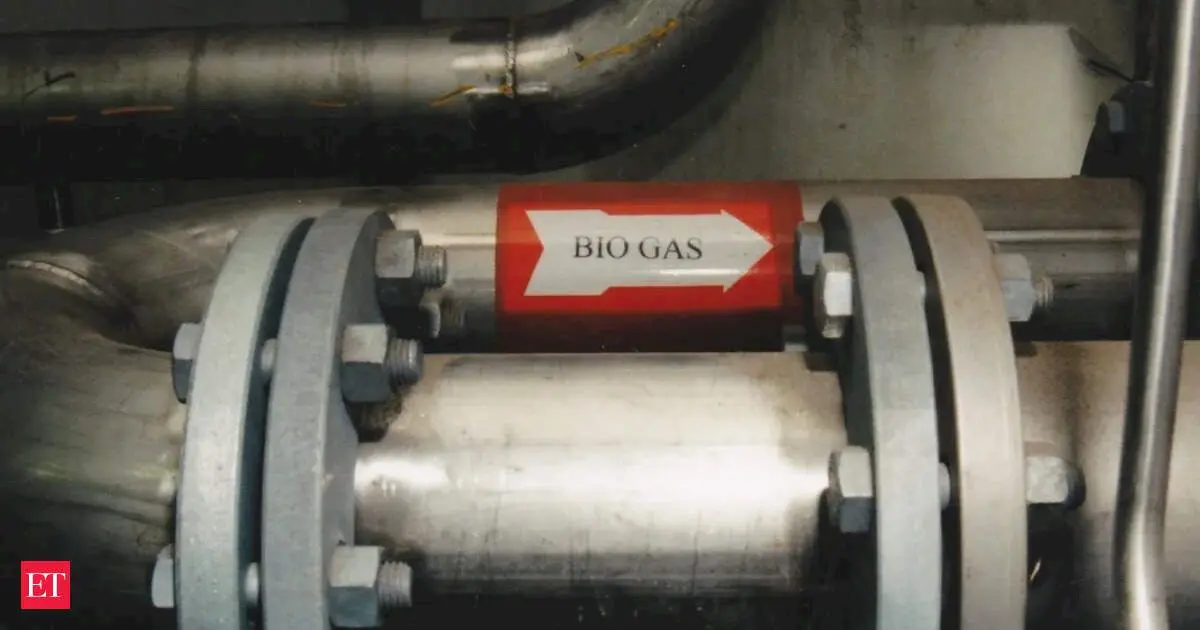
The Union Cabinet has approved GOBARdhan, the National Circular Bioenergy Scheme, with a total outlay of Rs 23,731 crore to boost Compressed Biogas (CBG) production from agricultural waste, cattle dung and other…
The Story in Brief
The Union Cabinet has approved GOBARdhan, the National Circular Bioenergy Scheme, with a total outlay of Rs 23,731 crore to boost Compressed Biogas (CBG) production from agricultural waste, cattle dung and other organic matter. The scheme will run from FY 2026-27 to FY 2035-36 and aims to raise India's CBG output nearly tenfold. It includes a mandatory CBG blending obligation of 3% for CNG and PNG segments from next fiscal, a fixed administered price of Rs 2,110 per MMBTU for 10 years, and capital assistance of up to Rs 2 crore per tonne per day of installed capacity. The Indian Biogas Association estimates the scheme could reduce India's natural gas import bill by $5 billion and fertiliser imports by $1 billion annually, though these figures assume 1,500 fully functional CBG plants.
The Indian Opinion
The GOBARdhan scheme is a serious attempt to scale CBG, but sceptics who dismiss it as another subsidy-driven exercise miss the structured offtake obligation and 10-year pricing floor. Equally, the Indian Biogas Association's $5 billion import-reduction estimate assumes 1,500 plants running smoothly, a tall order given past delays in waste-to-energy projects. The real test will be the number of operational CBG plants by 2028 and whether city gas distributors actually buy the mandated 3% volume.
Sources (2): economictimes.indiatimes.com, thehindubusinessline.com
This story was synthesised by AI from the 2 sources linked above.
Updated: this story now draws on 2 sources.