










Now Reading: Census 2027 drops separate category for beggars, vagrants
-
01
Census 2027 drops separate category for beggars, vagrants


The Story in Brief
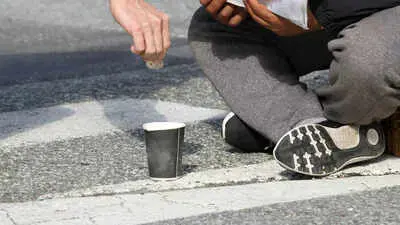
Census 2027 will not separately record data on begging, dropping the ‘beggars and vagrants etc’ category from the non-economic activity list. The Times of India and Free Press Journal reported that the decision was taken due to the very low return in Census 2011, when only around 3.8 lakh non-workers and marginal workers declared themselves as beggars or vagrants. Sources said previous figures were unreliable because respondents avoided the label due to social stigma. Enumerators will now include such respondents under ‘others’.
Another key change is the inclusion of ‘natural calamities’ as a new reason for migration, alongside work, business, education and marriage. The questionnaire also adds fields for father’s and mother’s particulars, date and place of birth, and religion, where parents are not in the same household or are deceased. Sources told the Times of India this could reveal generation-wise trends in inter-faith marriages and religious conversion. Mobile number, Aadhaar, voter ID and passport details are requested where available, but enumerators will leave fields blank if respondents are reluctant.
Indian Opinion Analysis
The decision to drop ‘beggars and vagrants’ as a separate category in Census 2027 has been driven by data reliability concerns from earlier exercises. The Times of India reported that the count in Census 2011 (3.8 lakh) was considered unreliable due to social stigma, while the Free Press Journal did not question this justification. The fact that no significant criticism has been reported suggests the shift is seen as administrative rather than ideological. The new fields on father’s and mother’s particulars may address citizenship traceability, with TOI noting potential insights on inter-faith marriages. The census office’s next milestone is the release of the final questionnaire with public comment window later this year.
Coverage: 2 sources, 2 neutral
Sources (2): timesofindia.indiatimes.com (neutral report), freepressjournal.in (neutral report)
This story was synthesised by AI from the 2 sources linked above. Methodology and corrections.
Updated: this story now draws on 2 sources.