













Now Reading: Centre appoints 30 judges to four high courts
-
01
Centre appoints 30 judges to four high courts


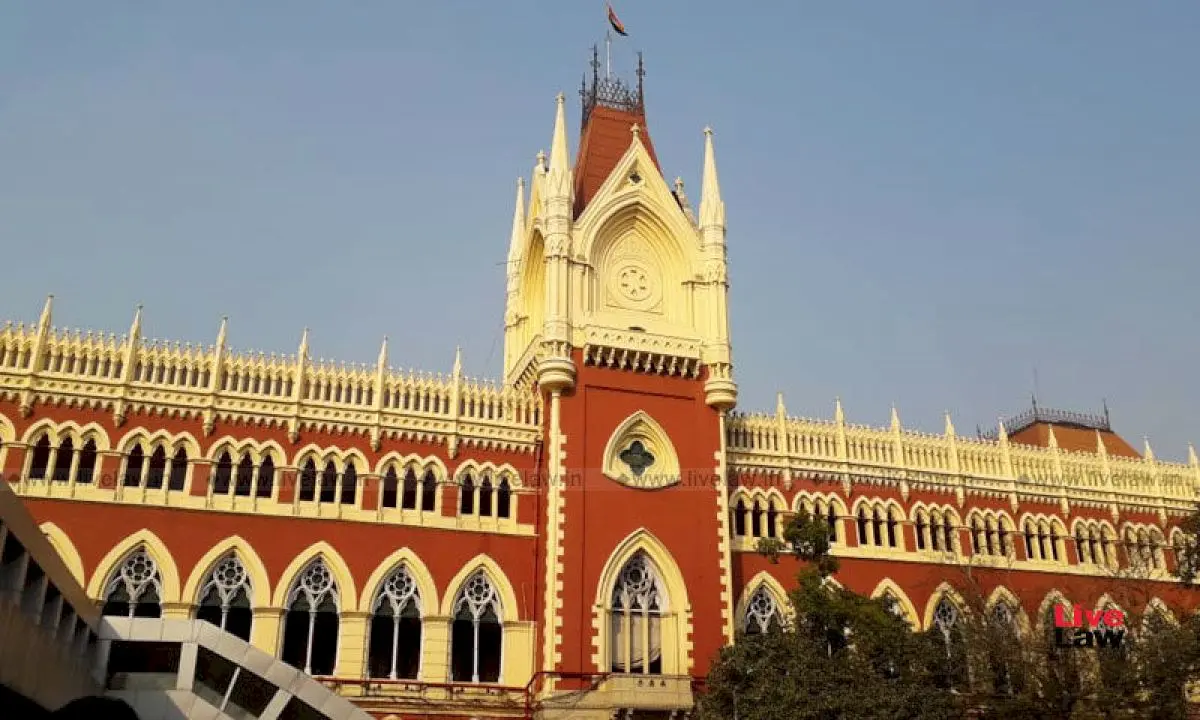
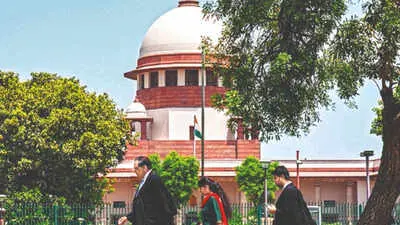
The law ministry on Saturday notified the appointment of 30 judges to the high courts of Madras, Calcutta, Karnataka and Madhya Pradesh. Of these, 23 are advocates and seven are judicial officers.…
The Story in Brief
The law ministry on Saturday notified the appointment of 30 judges to the high courts of Madras, Calcutta, Karnataka and Madhya Pradesh. Of these, 23 are advocates and seven are judicial officers. Eight advocates have been appointed as additional judges of the Calcutta High Court: Aryak Dutt, Atarup Banerjee, Sandip Kumar De, Partha Pratim Roy, Sudip Deb, Anuj Singh, Arjun Ray Mukherjee and Rishad Medora, as reported by LiveLaw. Most appointees serve two-year terms before evaluation for permanent positions.
The Times of India reports that India’s 25 high courts have over 60 lakh pending cases, of which 80,000 have been pending for over 30 years. The law minister has blamed high court collegiums for not following timelines in recommending appointments, leading to large vacancies.
The Indian Opinion
The blame game over judicial vacancies, government accuses collegiums of delay, collegiums cite executive inaction, misses the point. With 341 vacancies against 1,112 sanctioned posts and 80,000 cases stuck for over three decades, neither side looks good. The real test is whether these 30 judges, especially the eight additional ones in Calcutta facing a two-year review, will meaningfully clear the backlog. Numbers alone will not fix a system that takes decades to dispose of a single case.
Sources (2): livelaw.in, timesofindia.indiatimes.com
This story was synthesised by AI from the 2 sources linked above.
Updated: this story now draws on 2 sources.