











Now Reading: Centre Considers Computer-Based NEET-UG After Paper Leak Allegations
-
01
Centre Considers Computer-Based NEET-UG After Paper Leak Allegations



A Delhi special fast-track court has reserved its order until August 10 on a plea by three accused in the alleged NEET-UG 2026 paper leak case seeking polygraph, brain-mapping and lie-detector tests.…
The Story in Brief
A Delhi special fast-track court has reserved its order until August 10 on a plea by three accused in the alleged NEET-UG 2026 paper leak case seeking polygraph, brain-mapping and lie-detector tests. The CBI opposed the plea and said a special court had been set up for a speedy trial. The agency is investigating an alleged multi-state network involving couriers, messaging platforms and coaching networks.

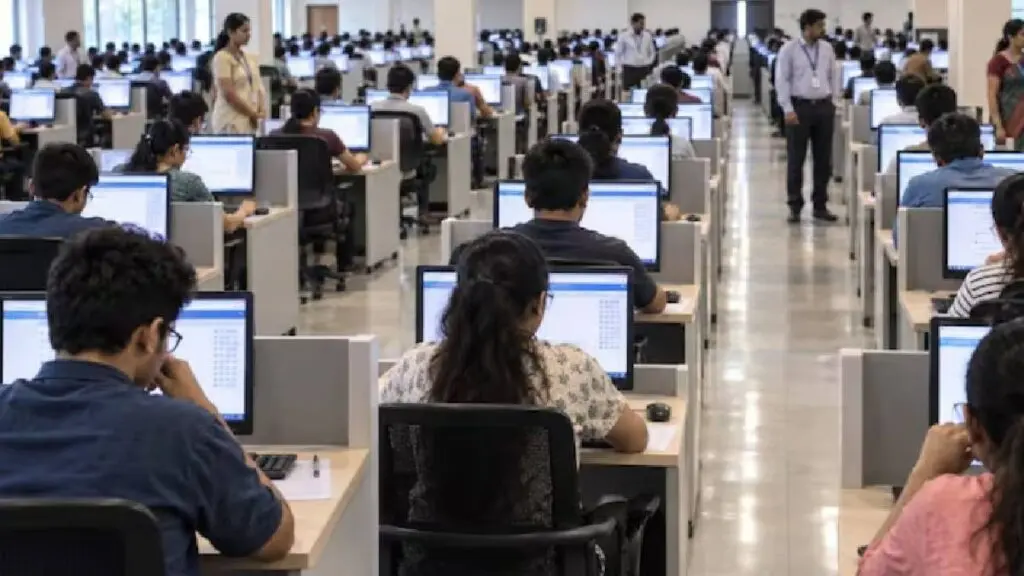
The Supreme Court will hear the wider NEET-UG matter on August 19. The Centre told the court that moving the medical entrance test from pen and paper to computer-based testing, in one or two stages like JEE, is under active consideration. It said the final plan would consider recommendations from a Nandan Nilekani-led task force. The CBI is probing the leak allegations.
The Indian Opinion
The lazy narrative is that switching to computers alone will end paper leaks. It will not, unless testing centres, question delivery, identity checks and grievance systems also withstand scrutiny. The opposite claim, that reform must wait indefinitely because students prepare for pen and paper, is also weak. Any change needs early notice and a credible trial. The useful test is simple: can the next NEET cycle publish a secure, stable process before applications open?
Sources (2): freepressjournal.in, timesofindia.indiatimes.com
This story was synthesised by AI from the 2 sources linked above.
Updated: this story now draws on 2 sources.