









Now Reading: Centre introduces bill to bar state levies on mining
-
01
Centre introduces bill to bar state levies on mining


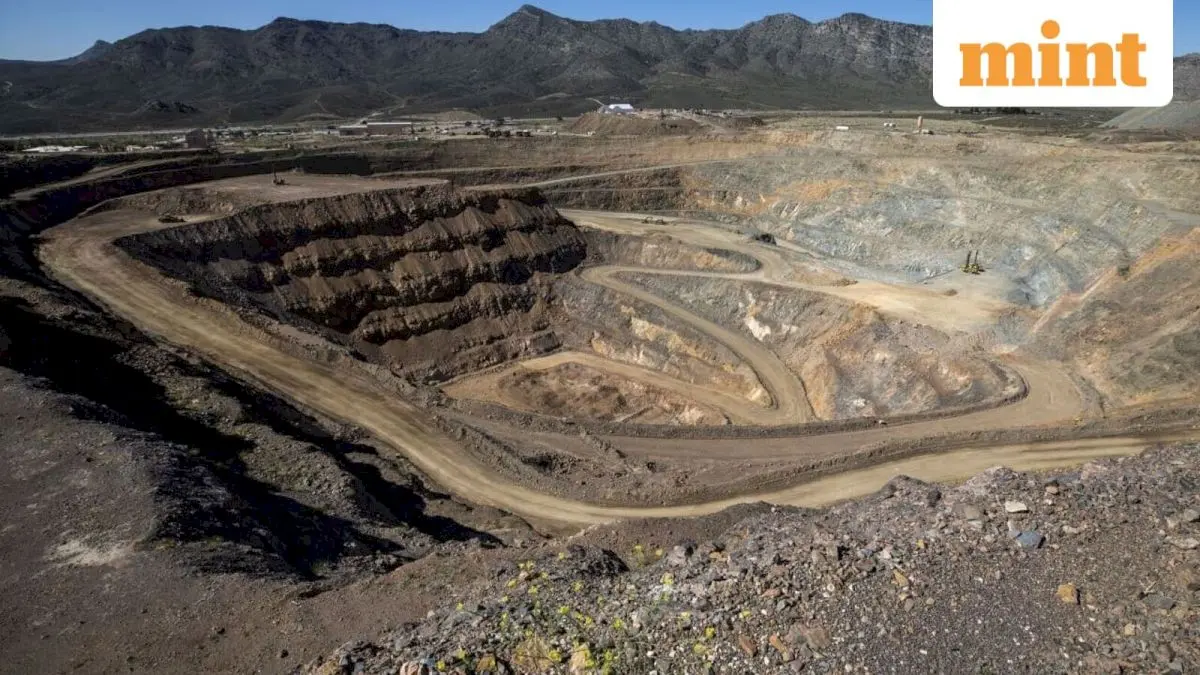
The government on Monday introduced the Mines and Minerals (Development and Regulation) Amendment Bill, 2026, in the Lok Sabha to bar states from imposing taxes, cess or any other levy on mineral…
The Story in Brief
The government on Monday introduced the Mines and Minerals (Development and Regulation) Amendment Bill, 2026, in the Lok Sabha to bar states from imposing taxes, cess or any other levy on mineral rights and mineral-bearing lands. The bill seeks to override a 2024 Supreme Court judgment that affirmed states' power to tax mines and quarries. It also brings mineral-bearing land under central regulation for the first time.
Any such levy already collected by a state before the amendment takes effect will not be refunded, but levies not yet deposited or recovered will be deemed invalid. Coal and mines minister G. Kishan Reddy said the bill aims to provide fiscal certainty, reduce compliance costs and protect small and medium miners from unpredictable tax burdens. Opposition members protested the bill's introduction.
The Indian Opinion
This bill is being sold as vital for investor confidence, but it also marks a sharp centralisation of tax powers that the Supreme Court had recently left with states. The narrative pits national mining investment against state fiscal autonomy, ignoring that some mineral-rich states like Odisha and Jharkhand rely on these levies for local development. The test will be whether the eventual Act provides a clear revenue-sharing mechanism or simply starves states while courting capital. Will the Centre offer compensation, or just take control? That answer will decide if this is reform or overreach.
Sources (2): livemint.com, deccanchronicle.com
This story was synthesised by AI from the 2 sources linked above.
Updated: this story now draws on 2 sources.