











Now Reading: Indian cities flood due to runoff, not rain volume
-
01
Indian cities flood due to runoff, not rain volume


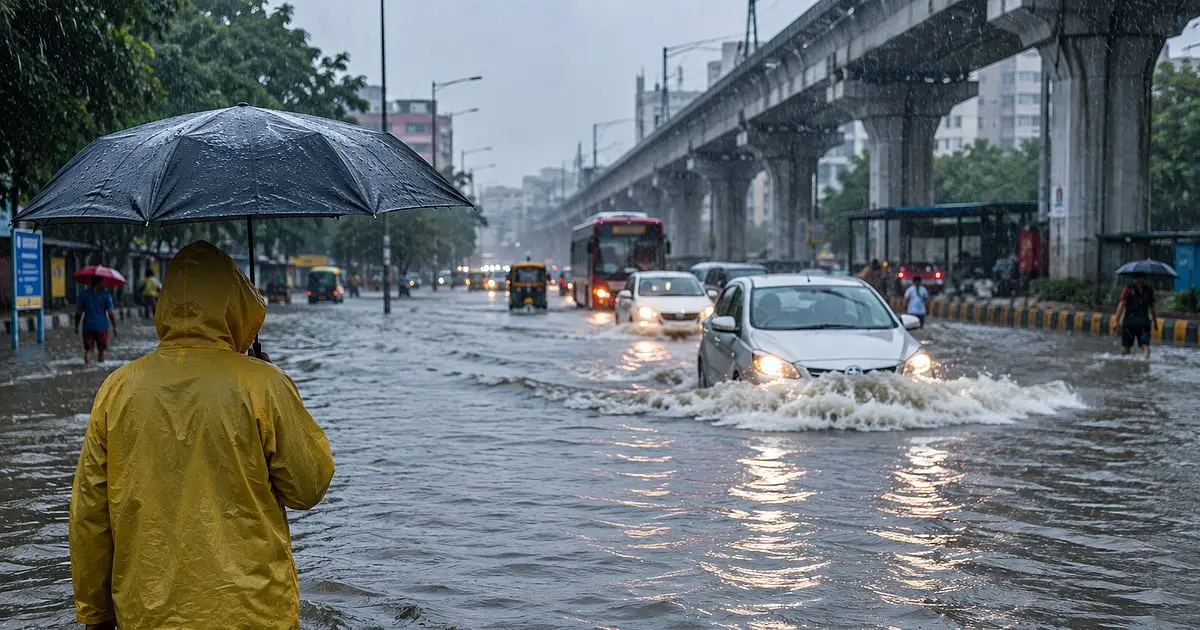
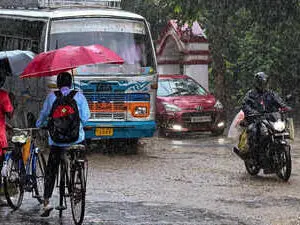
Indian cities are flooding because of concentrated rainfall and poor drainage, not just total rainfall, according to Deccan Herald. Even with the IMD forecasting a below-normal 2026 monsoon due to El Nino, cities like Mumbai, Pune and Bengaluru have flooded. The problem is runoff: the land that once absorbed rain has been concretised or encroached upon.

Deccan Herald reports that thousands of crores have been spent on AMRUT, Smart Cities Mission and the Urban Flood Risk Management Programme, yet flooding persists. The paper says there is no independently verified national record of flood hotspots, and drainage systems are decades old and built for smaller populations. It calls for blue-green infrastructure like wetlands, rain gardens and urban forests to let rain soak in instead of overwhelming drains.
The Better India highlights the 'sponge city' concept as a solution, where cities use nature-based infrastructure to absorb rainfall. Both sources agree that quick concrete fixes are insufficient and that restoring natural water-absorbing features is key to preventing urban floods.
Indian Opinion Analysis
Deccan Herald offers a detailed policy critique, attributing urban flooding to systemic failures: lack of accountability, outdated drainage standards, and encroachment on wetlands. Its framing is government-critical, emphasising that despite spending and manuals, cities flood because authorities prioritise concrete fixes over natural solutions. The Better India presents a solutions-oriented view, focusing on the 'sponge city' approach as a proven concept. Both sources agree on the diagnosis, runoff from loss of permeable land is the core problem, but Deccan Herald stresses institutional failure while The Better India leads with a hopeful alternative. A careful reader should note that while natural infrastructure is promising, scaling it remains a political and financial challenge. Watch for whether the government's pre-monsoon plans for 2026 explicitly incorporate blue-green measures or stick to conventional drainage.
Coverage: 2 sources, 1 government-critical, 1 neutral
Sources (2): deccanherald.com (government critical), thebetterindia.com (neutral report)
This story was synthesised by AI from the 2 sources linked above. Methodology and corrections.
Updated: this story now draws on 2 sources.