








Now Reading: CJI rebukes BCI over NALSAR student protest, enrolment ban revoked
-
01
CJI rebukes BCI over NALSAR student protest, enrolment ban revoked



Chief Justice of India Surya Kant on August 14 strongly disapproved the Bar Council of India's now-revoked decision to bar NALSAR University of Law's 2026 graduates from enrolling as advocates. The students…
The Story in Brief
Chief Justice of India Surya Kant on August 14 strongly disapproved the Bar Council of India's now-revoked decision to bar NALSAR University of Law's 2026 graduates from enrolling as advocates. The students had objected to the CJI being chief guest at their convocation, citing his reported remarks during a hearing on alleged police excesses. The CJI said students have a right to protest peacefully and questioned the BCI's authority to intervene, calling its action "absolutely uncalled for." The Supreme Court issued notice to the BCI and ordered that no punitive action be taken against students or faculty.
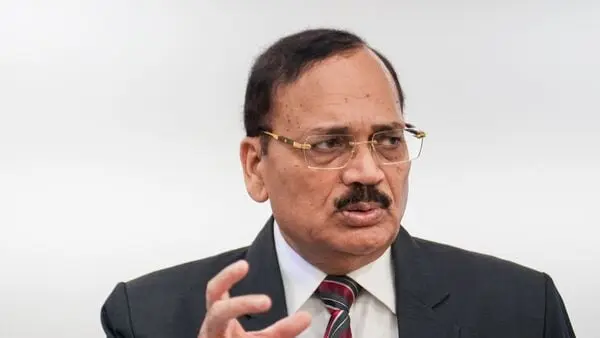
The BCI had initially directed state bar councils not to enrol any NALSAR 2026 graduate and sought a report identifying those who organised the campaign. Within hours, the BCI reversed the order after public backlash, saying the "vast majority" of students were innocent. BCI chairperson Manan Kumar Mishra later dropped the proposed inquiry. Over 400 NALSAR alumni condemned the BCI's action, calling it a violation of free speech and university autonomy. The matter will be heard again by the Supreme Court in two weeks.
The Indian Opinion
The BCI's initial order was disproportionate, punishing an entire batch for a protest by some students. But the students' selective targeting of the CJI for one remark, while ignoring other dignitaries, also risks eroding respect for the institution. Both sides need introspection: the BCI must learn to handle dissent without coercion, and students must distinguish between disagreement with a specific act and disrespect for the office. The real test will come at the next Supreme Court hearing: will the BCI justify its original order, or will it admit overreach? Answering that will determine whether this episode leads to reform or just controversy.
Sources (4): timesofindia.indiatimes.com, livemint.com, rediff.com, livelaw.in
This story was synthesised by AI from the 4 sources linked above.
Updated: this story now draws on 4 sources.