





Now Reading: CJP GenZ protests: theory and reality of student power
-
01
CJP GenZ protests: theory and reality of student power


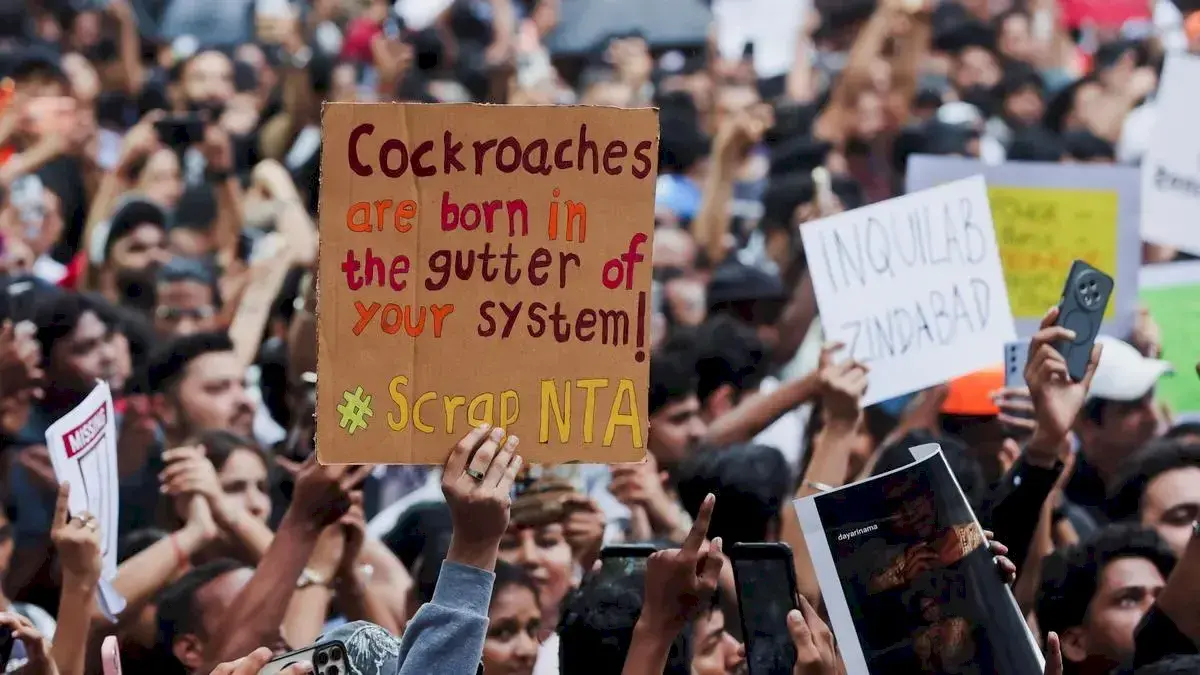
The Cockroach Janta Party (CJP), born from a satirical meme, led massive student protests demanding the Union Education Minister's resignation over exam paper leaks. The minister resigned on July 25, and the…
The Story in Brief
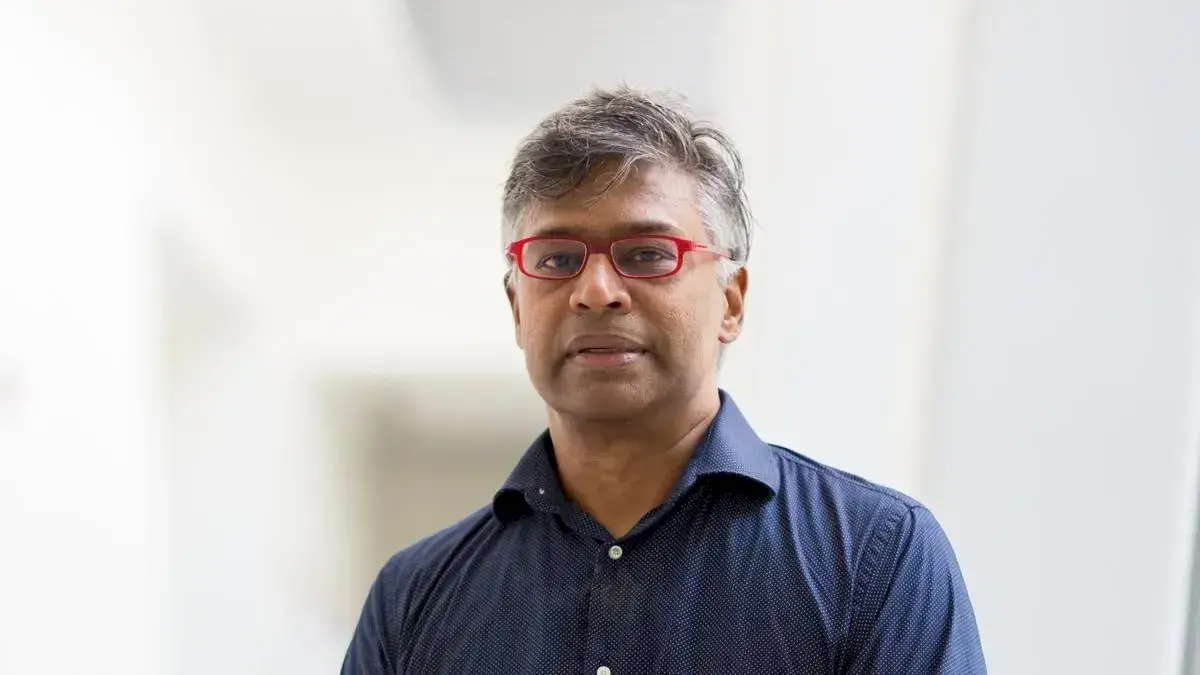
The Cockroach Janta Party (CJP), born from a satirical meme, led massive student protests demanding the Union Education Minister's resignation over exam paper leaks. The minister resigned on July 25, and the CJP declared victory. Frontline quotes media scholar Arvind Rajagopal, who says the protest underscores how legacy media has shrunk to a "rounding error" in conglomerate accounts, making it servile to the ruling regime. He argues the movement, driven by unemployed graduates and gig workers, used physical presence at Jantar Mantar to resist algorithmic censorship.
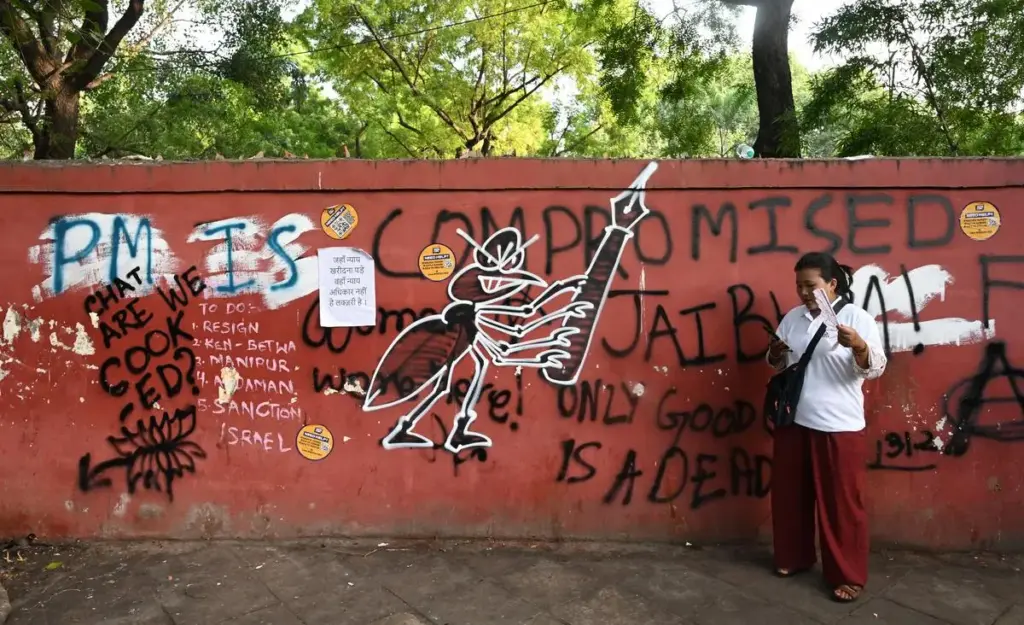
The Hindu cautions that while the protest forced a rare government concession, it risks becoming "hyperpolitical", a spectacular digital dissent without lasting institutional change. It contrasts the CJP's 40-day mobilisation with the 16-month farmers' movement that had organic ties to unions and political organisations. The analysis warns that without durable organisation, 99% of protesters shared only a set of influencers, not a common political relationship, making structural reform elusive.
The Indian Opinion
The CJP victory narrative celebrates a minister's exit, but the harder question is whether anything structural changed. Exam fraud and youth unemployment are features of an over-centralised, crony-afflicted education system. One resignation does not unravel that. The real test is whether the movement builds durable institutions, unions, policy advocacy, or dissolves back into memes. Watch whether NEET and UGC-NET reforms follow, or if the state simply waits for the next Instagram trend.
Sources (2): frontline.thehindu.com, thehindu.com
This story was synthesised by AI from the 2 sources linked above.
Updated: this story now draws on 2 sources.