













Now Reading: Modi’s ‘dimaagi Naxals’ remark draws Congress backlash
-
01
Modi’s ‘dimaagi Naxals’ remark draws Congress backlash


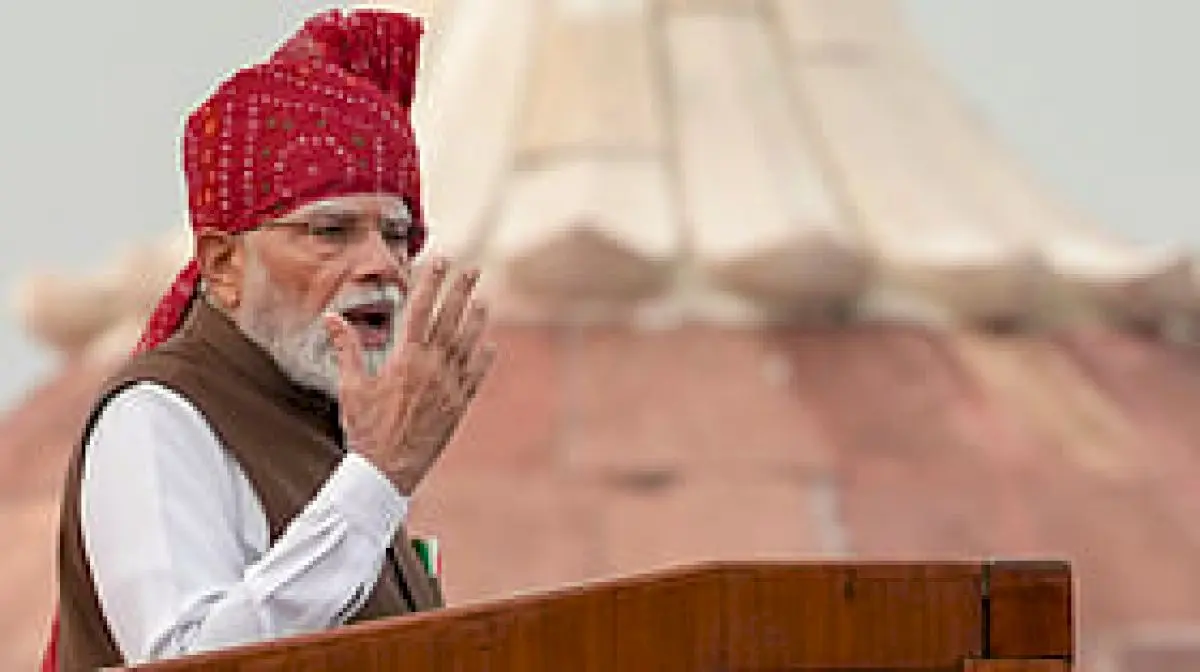
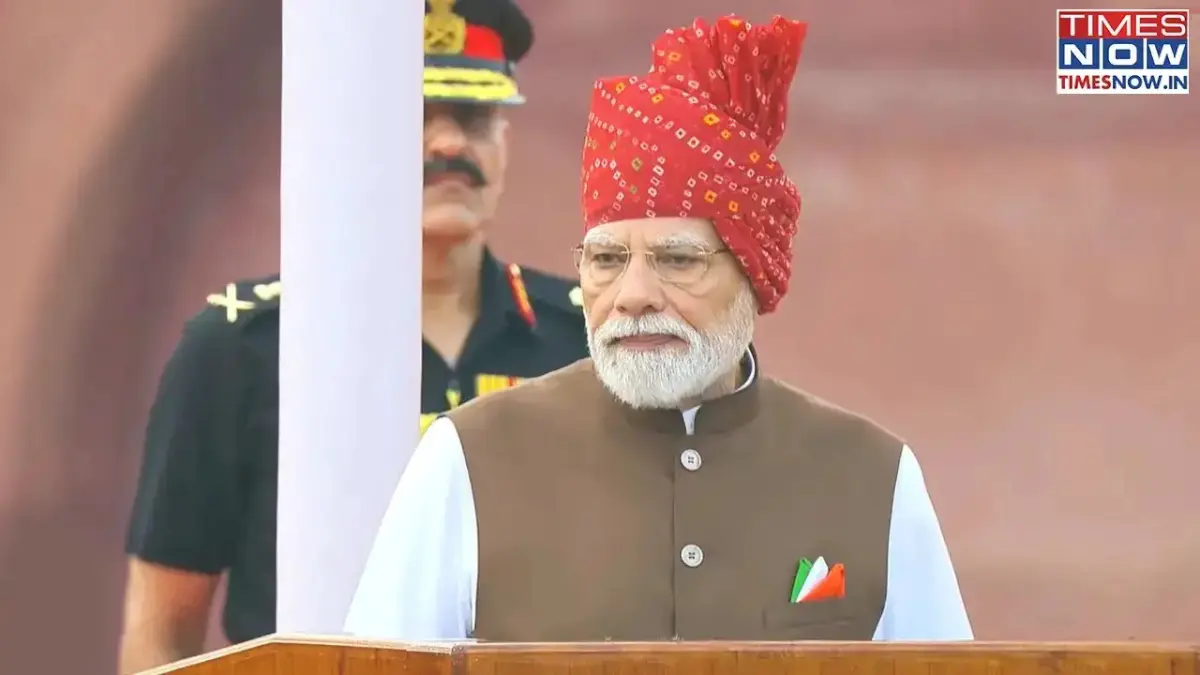
Prime Minister Narendra Modi, in his Independence Day address from the Red Fort, said armed Naxals had been pushed out of the jungles but “dimaagi Naxals” could still create violence and unrest.…
The Story in Brief
Prime Minister Narendra Modi, in his Independence Day address from the Red Fort, said armed Naxals had been pushed out of the jungles but “dimaagi Naxals” could still create violence and unrest. He called for such people to be identified and isolated, while urging efforts to bring young people into the mainstream. Modi also said Maoist violence was nearing its end and recalled the deaths of more than 3,500 security personnel in the conflict.
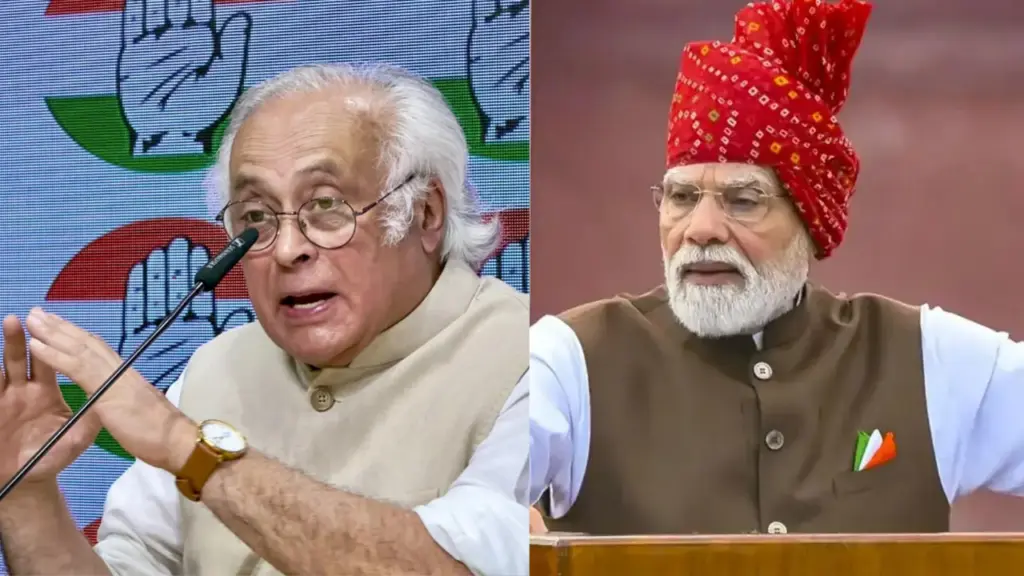
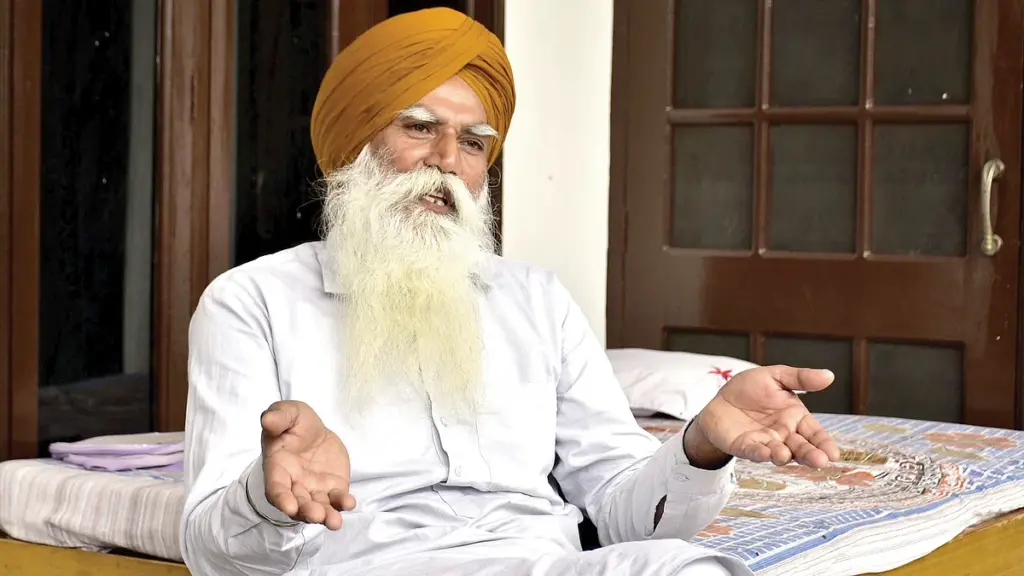
Congress general secretary Jairam Ramesh called the remark a “sure sign of desperation”. He said Modi had earlier used “urban Naxals” for political opponents and was now using “dimaagi Naxals”. The term has no official definition, according to the Congress account of a parliamentary reply, though BJP leaders have used it for critics and activists.
The Indian Opinion
The lazy version of this clash is that one side alone is defending democracy or national security. Armed Maoist violence and criticism by activists, academics or opponents are not the same thing, and a broad label cannot establish guilt. The government should publish the evidence behind claims of continuing ideological violence, while the Opposition should challenge policy without personal abuse. The test is simple: how many cases, convictions and verified incidents does “dimaagi Naxal” describe?
Sources (3): nationalheraldindia.com, timesnownews.com, livemint.com
This story was synthesised by AI from the 3 sources linked above.
Updated: this story now draws on 3 sources.