












Now Reading: Delhi govt unveils winter pollution plan with WFH, construction ban
-
01
Delhi govt unveils winter pollution plan with WFH, construction ban


Corrected 1 October 2026: source list (India Today video pages removed; they are not articles).
The Story in Brief
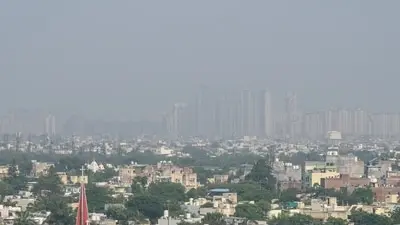
The Delhi government on Monday, 28 September 2026, announced a winter pollution-control framework effective from November 1, 2026 to February 28, 2027. Measures include doubling parking charges at authorised sites (except DMRC lots), staggered office timings, and a 50% work-from-home mandate for government and private offices. Dust-generating demolition and outdoor civil construction are banned from November 1 to January 31, with a complete construction and demolition ban from December 10 to January 20.
The government also said it will intensify the 'No PUCC, No Fuel' policy from October 1 at 500 petrol pumps and restrict entry of non-Delhi BS-VI vehicles from November 1. Environment minister Manjinder Singh Sirsa said 150 more electric buses will be added, and the chief minister will inspect pollution hotspots. Union environment minister Bhupender Yadav chaired a meeting with CM Rekha Gupta and other officials to finalise the plan.
Update, 30 September 2026: New sources from 29 to 30 September 2026 add that the government will intensify the 'No PUCC, No Fuel' policy from October 1, restrict entry of non-Delhi BS-VI vehicles from November 1, and add 150 electric buses.
Update, 1 October 2026: The Asian Age on Wednesday, 30 September 2026, notes that the plan's real-time efficacy relies on inter-state synchronisation, as activities within the national capital region account for only 30 per cent of its pollution, and warns that entry bans on non BS-VI vehicles require rigorous checking at borders with Uttar Pradesh and Haryana.
Indian Opinion Analysis
The coverage is uniform across all sources, which report the same set of measures announced by the Delhi government with no discernible slant. The Hindu and Livemint provide the most detail, including road redevelopment targets and industrial enforcement data, while the shorter wire-based pieces from Times of India and ABP Live stick to the core restrictions. Times Now published a separate lifestyle article questioning whether working from home is actually safer, but that is a different story. The uniform reporting reflects the government's carefully packaged announcement, no outlet challenges the plan's effectiveness or highlights potential enforcement gaps.
The Supreme Court on Wednesday, 30 September 2026, heard a separate plea on firecracker restrictions, observing it would neither impose a total ban nor allow 24-hour use, and sought a middle ground on permitted hours and types.
Corrected 1 October 2026: source list (India Today video pages removed; they are not articles).
Coverage: 20 sources, 19 neutral, 1 sensationalist
Sources (20): hindustantimes.com (neutral report), abplive.com (neutral report), indiatvnews.com (neutral report), timesnownews.com (neutral report), timesofindia.indiatimes.com (neutral report), livemint.com (neutral report), ndtvprofit.com (neutral report), hindustantimes.com (2) (neutral report), hindustantimes.com (3) (neutral report), timesofindia.indiatimes.com (2) (neutral report), abplive.com (2) (neutral report), indiatvnews.com (2) (neutral report), thehindu.com (neutral report), livemint.com (2) (neutral report), siasat.com (neutral report), timesnownews.com (2) (sensationalist), timesofindia.indiatimes.com (3) (neutral report), hindustantimes.com (4) (neutral report), indiatvnews.com (3) (neutral report), asianage.com (neutral report)
This brief was synthesised by AI from the 20 sources linked above, so one read covers every framing they carry. Methodology and corrections.