












Now Reading: Delhi HC asks why same-sex partners cannot give medical consent
-
01
Delhi HC asks why same-sex partners cannot give medical consent



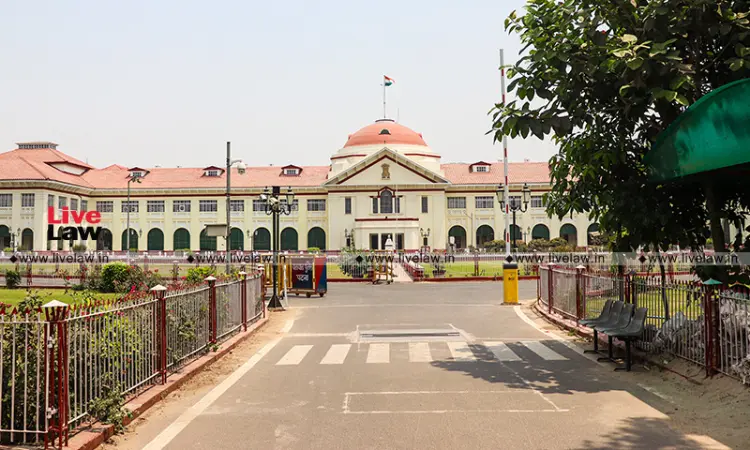
The Delhi High Court on Thursday questioned why same-sex partners who have the right to live in a relationship should be denied the choice to give medical consent for each other. Justice Swarana Kanta Sharma made the remark while hearing a plea by Arshiya Takkar seeking guidelines to recognise non-heterosexual partners as medical representatives for consent in emergencies.

The court noted that the central government has not filed a counter affidavit even a year after notice was issued in July 2023. Senior advocate Saurabh Kirpal argued that the Supreme Court's ruling on same-sex marriage recognised the right to a relationship, and denying medical consent would violate Article 21 of the Constitution. The judge remarked that the issue is limited and safeguards could be provided without changing laws.
The petitioner contends that Clause 7.16 of the Indian Medical Council Regulations, which requires consent from a spouse or parent, excludes same-sex partners, violating Articles 14 and 15. The court directed the government to file a counter affidavit within a week and said the matter will be decided next month.
Indian Opinion Analysis
This case tests the limits of the Supreme Court's October 2023 ruling that refused marriage equality but upheld the right to choose a partner. The petitioner is seeking a procedural fix, not a new right: recognition of advance medical power of attorney for non-heterosexual partners. The Madras High Court has already allowed such recognition in a 2023 judgment. If the Delhi High Court grants this, it could set a precedent for hospitals across India. The key next step is the government's counter affidavit due within a week.
Note: 126 words.
Source: livelaw.in
This story was synthesised by AI from the source linked above. Methodology and corrections.