











Now Reading: Delhi HC questions Jantar Mantar as protest site, city ‘put to ransom’
-
01
Delhi HC questions Jantar Mantar as protest site, city ‘put to ransom’


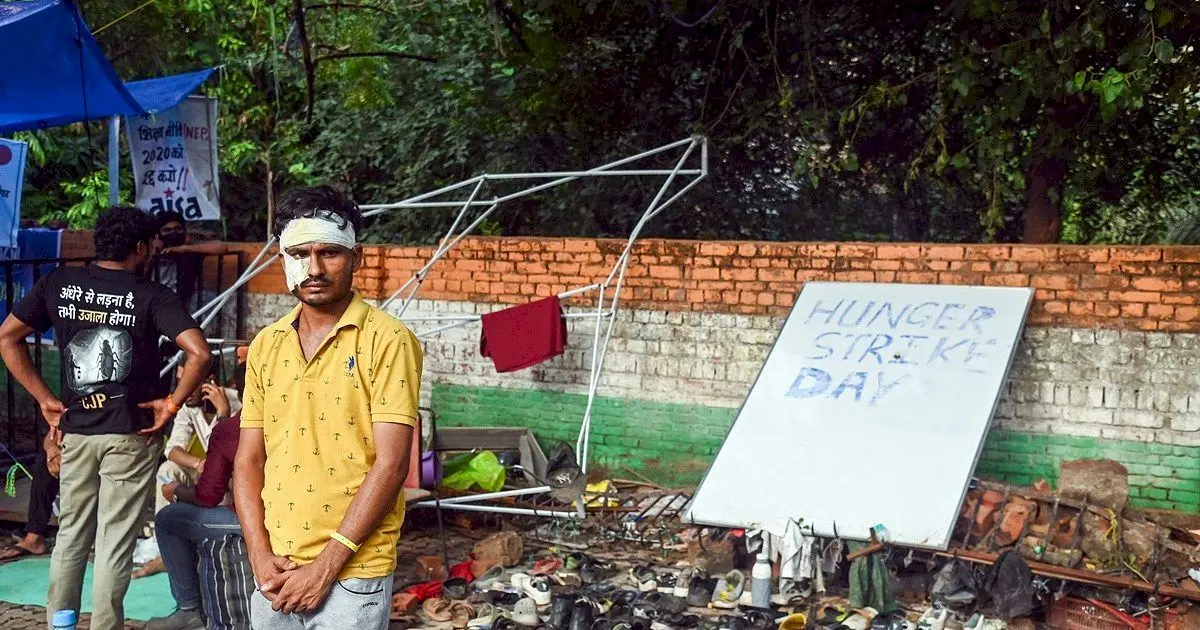
The Delhi High Court on Friday questioned why the entire city should be 'put to ransom' by protests at Jantar Mantar and directed Delhi Police to decide by Saturday on a pending…
The Story in Brief
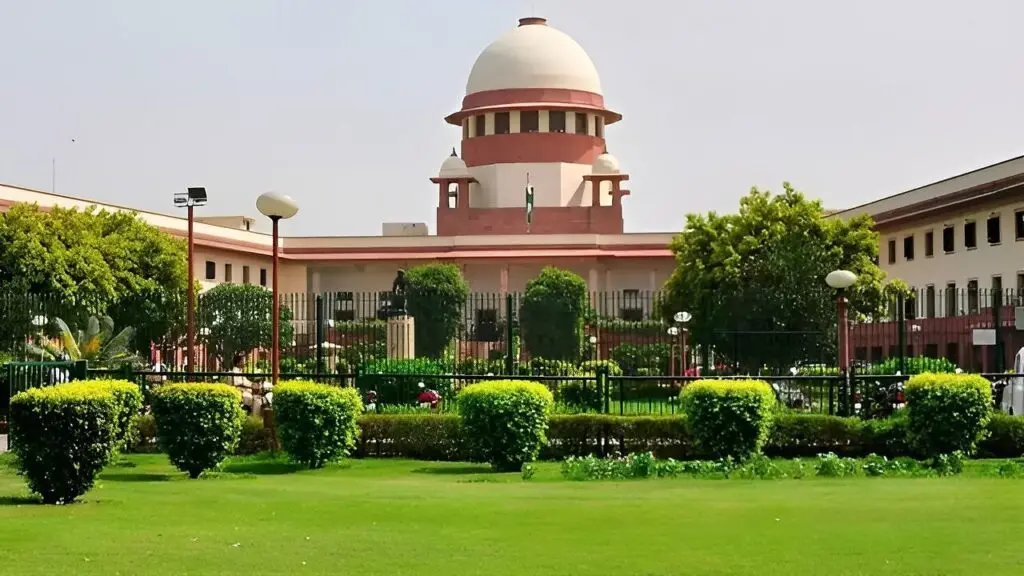
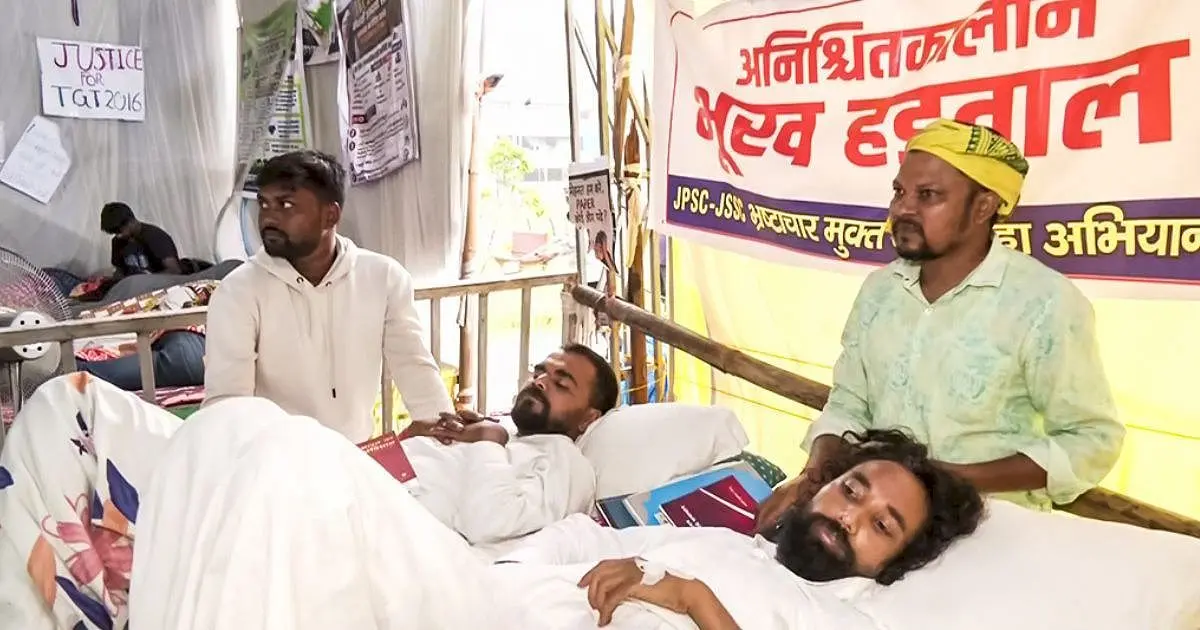
The Delhi High Court on Friday questioned why the entire city should be 'put to ransom' by protests at Jantar Mantar and directed Delhi Police to decide by Saturday on a pending application by the All India Dalit Christian Rights Protection Committee to hold a peaceful protest there on August 10. Justice Amit Mahajan orally remarked that demonstrations in the heart of the capital disrupt movement, including ambulances, though he said law and order is the police's domain. The Supreme Court on August 3 agreed to examine a separate PIL contending Jantar Mantar is no longer suitable as a protest venue, calling the matter 'important' and seeking the Centre's response. Both courts have previously held that the right to protest must be balanced with the right of residents to live peacefully.
The Indian Opinion
Both the high court and the Supreme Court now agree Jantar Mantar is unfit for large protests, yet neither has named an alternative venue. The 'why should the city suffer' line is popular, but it sidesteps the harder question: where should citizens protest instead if every central location is off-limits? The police often direct organisers to Burari or other outskirts, far from media and Parliament. The test will be whether the Supreme Court, which has flagged this as 'important', actually forces the government to designate a workable replacement by year end, not just sympathise with commuters while leaving protesters with nowhere to go.
Sources (3): rediff.com, timesofindia.indiatimes.com, thehindu.com
This story was synthesised by AI from the 3 sources linked above.
Updated: this story now draws on 3 sources.