












Now Reading: Delhi High Court questions Jantar Mantar as protest site
-
01
Delhi High Court questions Jantar Mantar as protest site


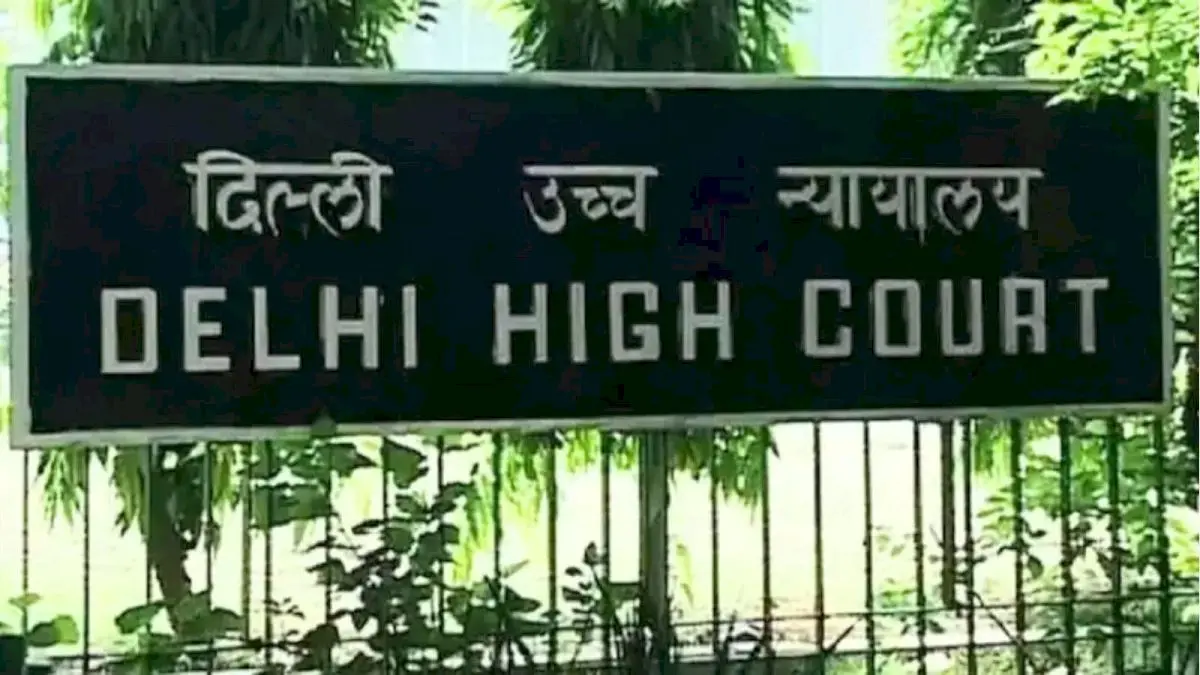
The Delhi High Court on Friday questioned why Jantar Mantar remains the designated protest site, asking why the city should be 'put to ransom' by demonstrations in its heart. Justice Amit Mahajan…
The Story in Brief
The Delhi High Court on Friday questioned why Jantar Mantar remains the designated protest site, asking why the city should be 'put to ransom' by demonstrations in its heart. Justice Amit Mahajan made the oral observation while hearing a plea from the All India Dalit Christian Rights Protection Committee, which has been waiting since July 9 for police permission to hold a peaceful protest on August 10.

The court directed Delhi Police to decide on the application by Saturday, noting that law and order is their domain. Additional Solicitor General Chetan Sharma said prohibitory orders are in place ahead of Independence Day. The Supreme Court is already examining a PIL seeking alternative protest sites, after hearing the matter on August 3.

The Indian Opinion
Both sides in this debate tend to overreach. Activists frame Jantar Mantar as the sole venue for fundamental rights, ignoring that the Supreme Court has previously suggested alternatives. The police and some residents treat every protest as a nuisance, forgetting that peaceful assembly is constitutionally protected. The real test is not whether protests happen, but whether a designated site exists that balances access with minimal disruption. Will the Supreme Court's upcoming order provide one?
Sources (4): siasat.com, nationalheraldindia.com, timesofindia.indiatimes.com, thefederal.com
This story was synthesised by AI from the 4 sources linked above.
Updated: this story now draws on 4 sources.