








Now Reading: High Courts uphold restrictions on religious processions
-
01
High Courts uphold restrictions on religious processions



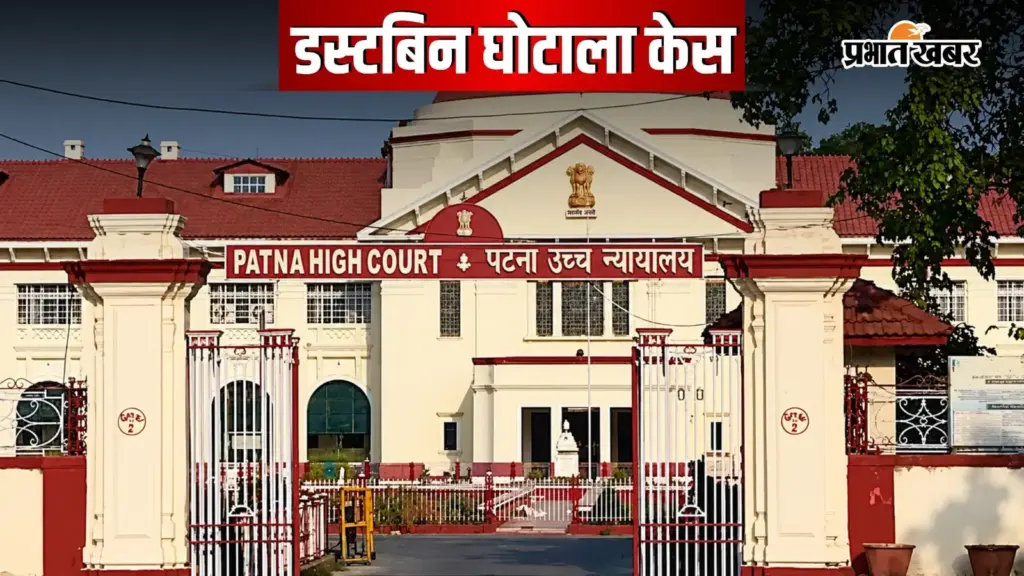
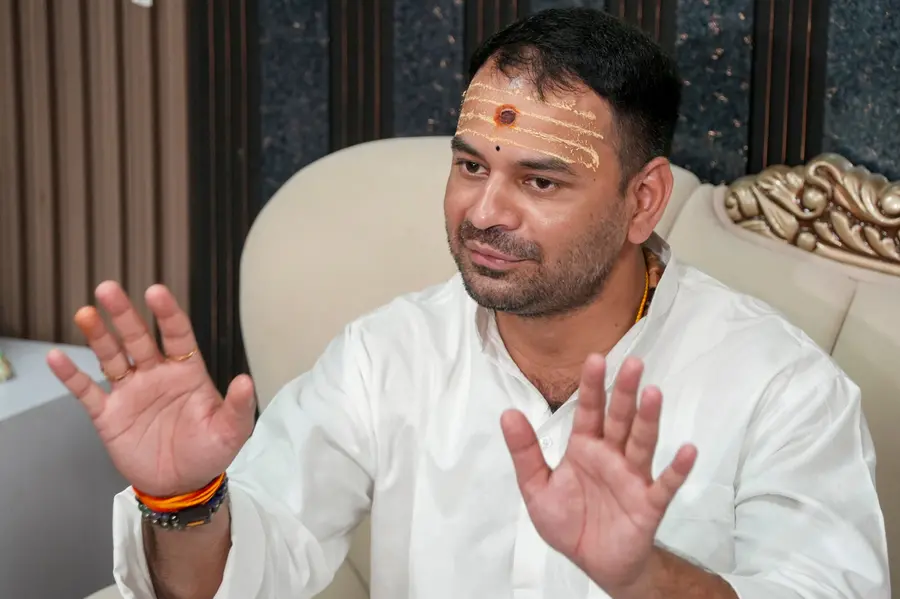
The Patna High Court and the Bombay High Court have separately ruled that the right to take out religious processions is not absolute and is subject to restrictions for public order. The Patna High Court refused to interfere with limits on the Mahabiri Julus in Siwan, noting the right under Articles 19(1)(b) and 25 is balanced against collective welfare. The Bombay High Court held there is no right to insist on a particular route for a religious procession, and that an alternate route can be imposed.

The Patna court dismissed a petition from a devotee whose procession participation was reduced to five people and the traditional route altered, citing law and order issues including a 2024 incident where a government vehicle was set on fire. The court said any future restriction will depend on the law and order situation when permission is sought. The Bombay court upheld a police decision to deny the requested route for a Kavad Yatra, noting the temple involved is private property and the petitioner cannot compel its owner.
Indian Opinion Analysis
Both livelaw.in reports frame the rulings as straight legal reporting, with no discernible slant. The Patna case is led with the legal principle of reasonable restrictions, followed by the petitioner's grievance and the state's security justification. The Bombay case similarly leads with the legal holding, then the petitioner's claim and the state's alternate-route offer. The neutral-report stance is consistent with livelaw.in's typical coverage. The implications are that courts are consistently narrowing the scope of religious procession rights when public order is invoked, and future permissions will hinge on local law-and-order assessments by police, not on historical practice.
Coverage: 2 sources, 2 neutral
Sources (2): livelaw.in (neutral report), livelaw.in (2) (neutral report)
This brief was synthesised by AI from the 2 sources linked above, so one read covers every framing they carry. Methodology and corrections.
Updated: this story now draws on 2 sources.