











Now Reading: Delhi High Court warns itself against jurisdiction overreach in IP suits
-
01
Delhi High Court warns itself against jurisdiction overreach in IP suits

Delhi High Court warns itself against jurisdiction overreach in IP suits


The Story in Brief
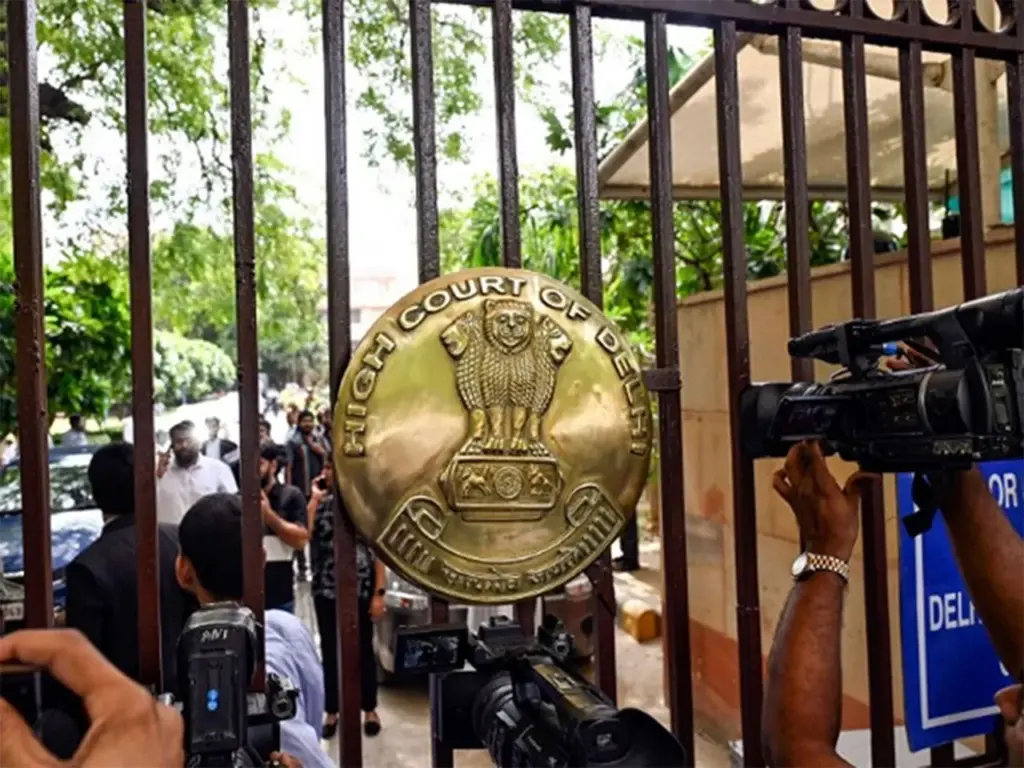
The Delhi High Court has warned itself against entertaining intellectual property suits that have only a trivial link to the national capital, returning 17 commercial plaints on grounds of territorial jurisdiction on 3 November. Justice Purushaindra Kumar Kaurav held that mere accessibility of a website in Delhi, or placing a single online order for delivery in the capital, does not confer jurisdiction.
The court said that while the Delhi High Court’s specialised IP framework has acted as a ‘Banyan Tree’ for Indian IP law, that tree must not stunt the growth of other high courts. “Institutional discipline” requires the court to draw a “Lakshman Rekha” and not entertain disputes that ought to be agitated before another natural forum. The plaints may be refiled before the appropriate court if the parties so choose.
Indian Opinion Analysis
Both outlets report the same Delhi High Court judgment almost identically, delivering straight news-agency-style coverage with no discernible editorial slant. Barandbench.com leads with the court’s self-questioning and the “Lakshman Rekha” metaphor, while livelaw.in leads with the specific ruling on website accessibility. Neither source adds government or plaintiff criticism, nor does either frame the judgment as pro-defendant or anti-business. The uniform coverage across both outlets reflects the court speaking entirely through its own 246-page order, leaving the media little room for interpretation. Justice Kaurav’s core instruction, that institutional discipline, not mere availability of a website, must govern jurisdiction, is the single takeaway both reports converge on. No next step is named, the 17 plaints have been returned for refiling before the appropriate courts.
Coverage: 2 sources, 2 neutral
Sources (2): barandbench.com (neutral report), livelaw.in (neutral report)
This brief was synthesised by AI from the 2 sources linked above, so one read covers every framing they carry. Methodology and corrections.