












Now Reading: Delhi High Court upholds GST search of lawyer’s office, limits data access
-
01
Delhi High Court upholds GST search of lawyer’s office, limits data access

Delhi High Court upholds GST search of lawyer’s office, limits data access


The Delhi High Court has upheld a GST department search of advocate Puneet Batra's office and the seizure of his computer and documents, ruling that advocate-client privilege does not bar investigation when…
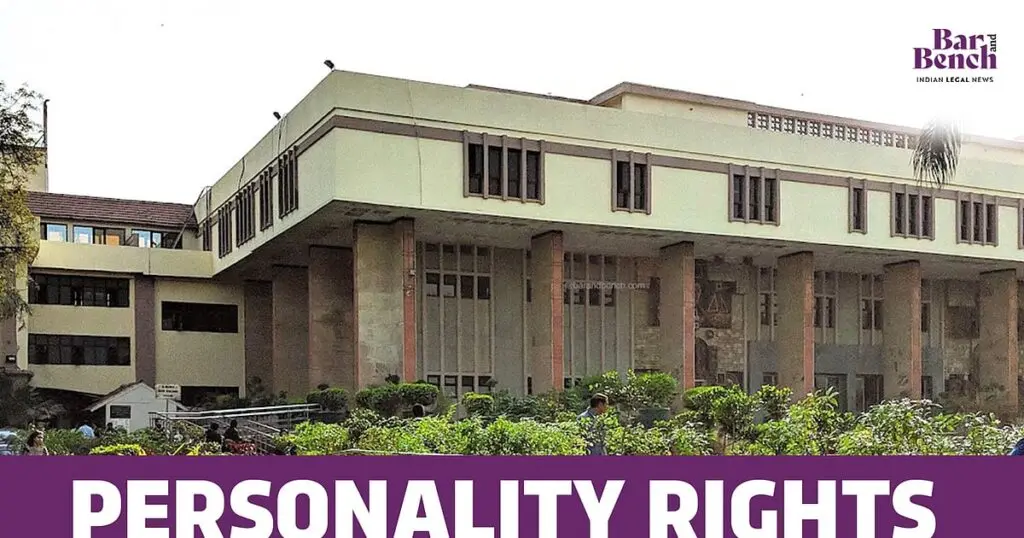
The Delhi High Court has upheld a GST department search of advocate Puneet Batra's office and the seizure of his computer and documents, ruling that advocate-client privilege does not bar investigation when prima facie material suggests the lawyer's own involvement. A bench of Justices Anil Khetarpal and Shail Jain dismissed Batra's plea challenging the July 25, 2025, search of his law firm Bass Legal LLP, including his cabin. The court noted that the search was carried out under a valid authorisation under Section 67(2) of the Central Goods and Services Tax Act.
The court directed the GST authorities to use a cloned copy of the seized data for further investigation and to confine its examination to material relevant to the probe, ensuring confidentiality of other clients' information. It clarified that the ruling does not permit unrestricted searches of advocates' premises or dilute advocate-client privilege. The court also noted that Batra admitted certain files were deleted remotely during the search, but said this alone does not establish wrongdoing. The GST department alleged Batra was not merely a legal adviser but was involved in the affairs of gaming company Martkarma Technology Pvt Ltd.
Indian Opinion Analysis
Both sources report the same outcome: the Delhi High Court upheld a GST search of a lawyer's office, ruling that advocate-client privilege does not bar investigation when prima facie material shows the lawyer's own involvement. Times of India leads with the search and seizure, noting the court's direction to use cloned data and restrict access. LiveLaw leads with the legal principle and the lawyer's name, Puneet Batra, plus the citation. Neither outlet favours or criticises the government, both are neutral, straight legal reporting. The key difference is LiveLaw's fuller quotation of the court's caveat against unrestricted searches. The court's direction to limit data access to relevant material pending any future application gives the investigation a concrete next step to watch.
Coverage: 2 sources, 2 neutral
Sources (2): timesofindia.indiatimes.com (neutral report), livelaw.in (neutral report)
This brief was synthesised by AI from the 2 sources linked above, so one read covers every framing they carry.